Understanding Cervical spine
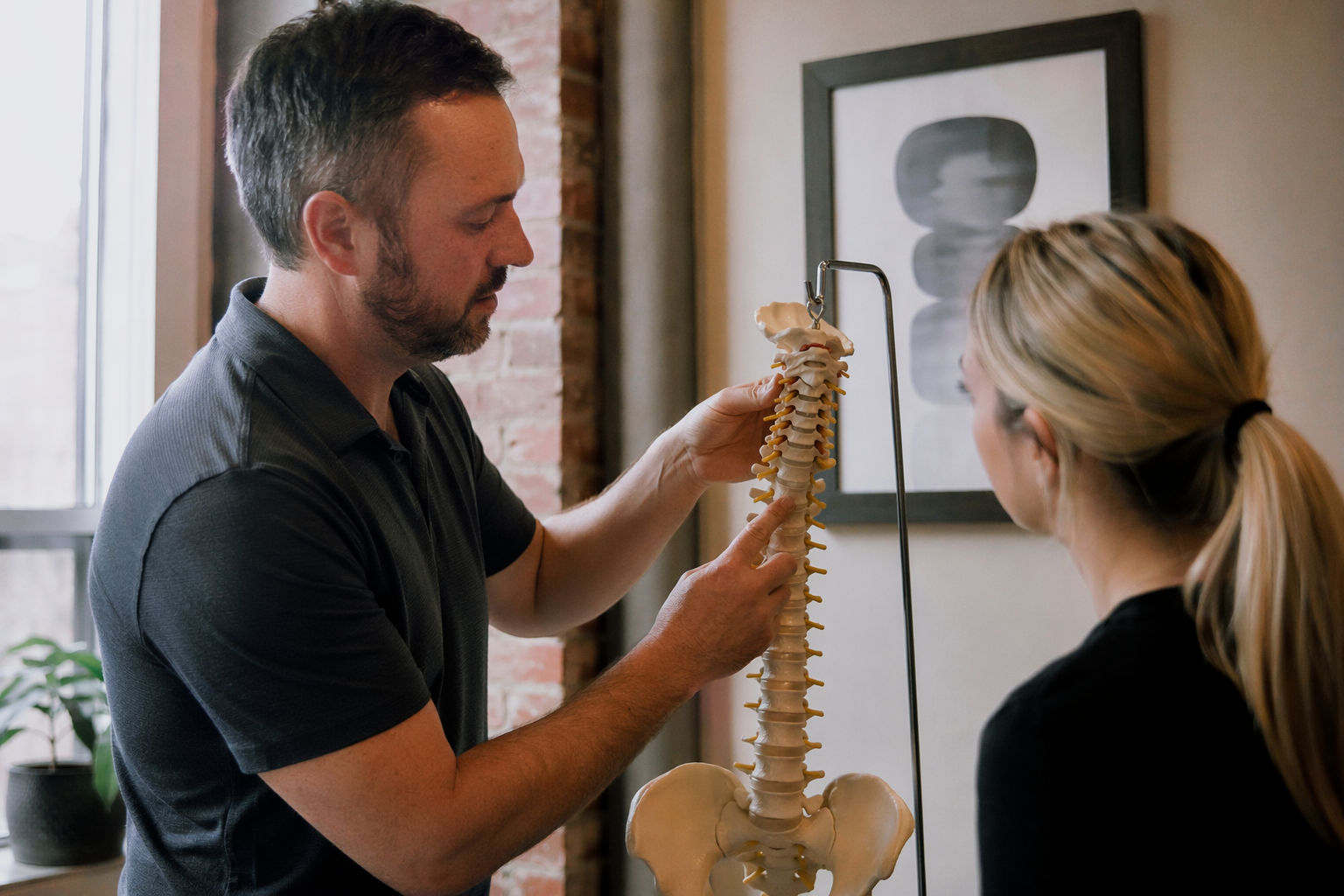
Your neck has seven small bones. They are called vertebrae. These bones make up the cervical spine.
These bones are the smallest in your spine. They help hold up your head. They also let you move your neck a lot.
The cervical spine keeps your spinal cord safe. The spinal cord carries messages from your brain. These messages go to the rest of your body.
This area can get hurt easily. Sudden moves, bad posture. Or accidents can harm it. Whiplash from a car crash is one example.
The first two bones are special. C1 is called the atlas. C2 is called the axis.
They help you nod and turn your head. The other bones give support. They also help your neck bend.
Between each bone is a soft pad. These pads are called discs. They act like cushions to stop bones from rubbing.
Nerves from your neck go to your shoulders and arms. If these nerves have problems, you may feel numb or weak.
How Cervical spine Works?
Your neck protects your body. It also helps you move. Bones, muscles. And ligaments work together.
The atlas and axis let you turn your head. This is how you shake your head "no." Other bones help you bend forward and back.
You can also tilt your head sideways. This helps with daily tasks. Driving, using a computer. And looking up all need this.
Your neck holds your spinal cord. This cord sends messages to your body. Nerves branch out from your neck.
These nerves go through small holes in the bones. They help you feel and move your arms. If bones move wrong, nerves can get squeezed.
This can cause pain or stiffness. It can also make your arms feel strange. Chiropractors help fix this.
They adjust your neck to put bones back in place. This takes pressure off nerves. It also helps you move better.
Why Cervical spine Matters?
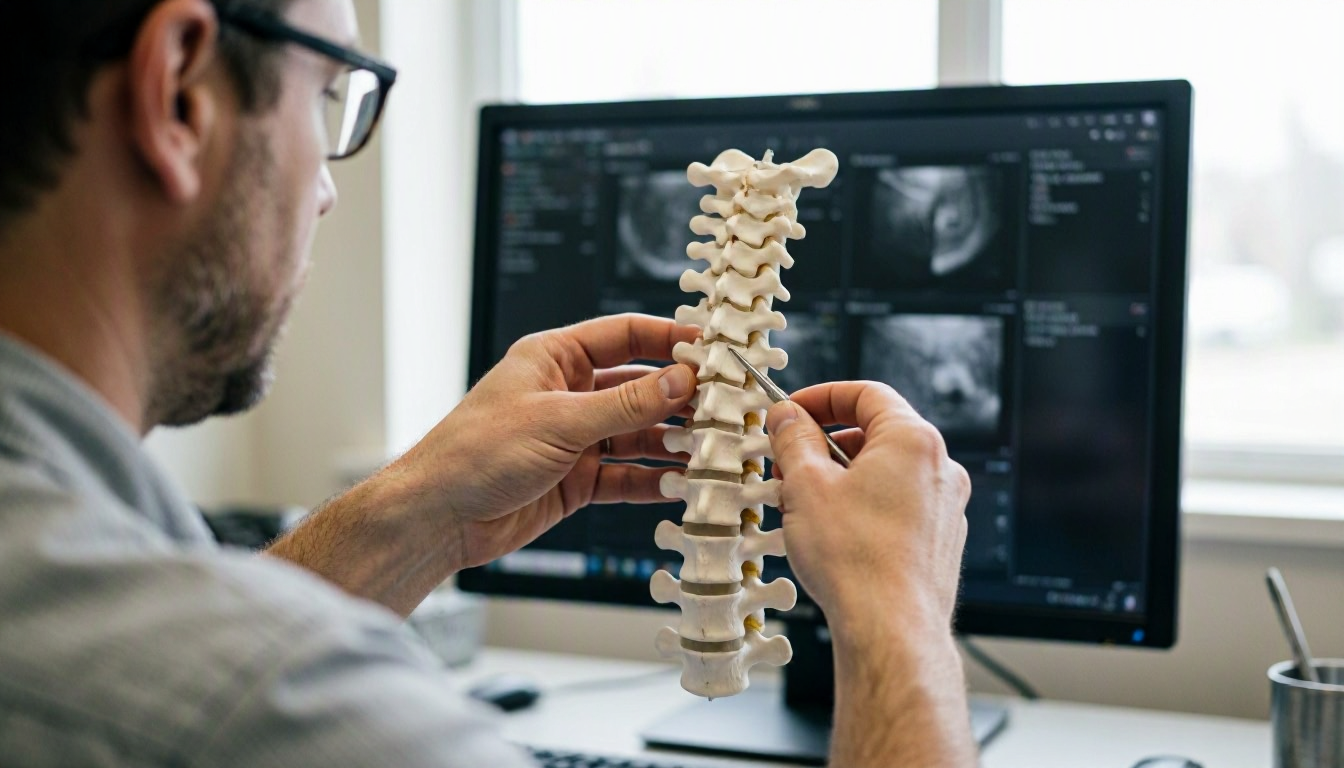
Your neck is very important. It holds up your head. It also connects to your nerves.
Problems here can cause pain in many places. You might get neck pain or headaches. Your shoulders and arms can hurt too.
Bad posture can hurt your neck. Slouching or looking down at your phone strains it. This can lead to "text neck."
It can also cause discs to wear out. Keeping your neck healthy stops long-term pain. It helps you stay flexible.
Your neck affects more than just your neck. Nerves here go to your arms. If they get squeezed, your hands may feel numb.
This is why doctors check your neck. They do this for problems like carpal tunnel. They also check for shoulder pain.
Taking care of your neck helps you sleep better. It can lower stress too. A healthy neck keeps your nerves working right.
When Cervical spine Matters Most?
Your neck is very important in accidents. It also matters if you do the same motions a lot. Some health problems affect it too.
Car crashes can cause whiplash. This is when your neck jerks suddenly. It can hurt muscles and bones.
Without help, whiplash can cause long-term pain. You might feel stiff. Your neck may not move as well.
People who sit at desks a lot can hurt their necks. Looking at phones too much can too. This can cause headaches or back pain.
Getting help early can stop problems. Chiropractors or therapists can help. They keep small issues from getting worse.
Some health problems affect the neck. Cervical radiculopathy is one. This is when a nerve in your neck gets squeezed.
It can make your arms feel numb or weak. Another problem is degenerative disc disease. This happens as you get older.
It can cause pain and make your neck stiff. Athletes and workers who lift a lot can hurt their necks.
They do the same motions over and over. This can strain their necks. Regular check-ups help keep their necks healthy.