Understanding Chiropractic Biophysics
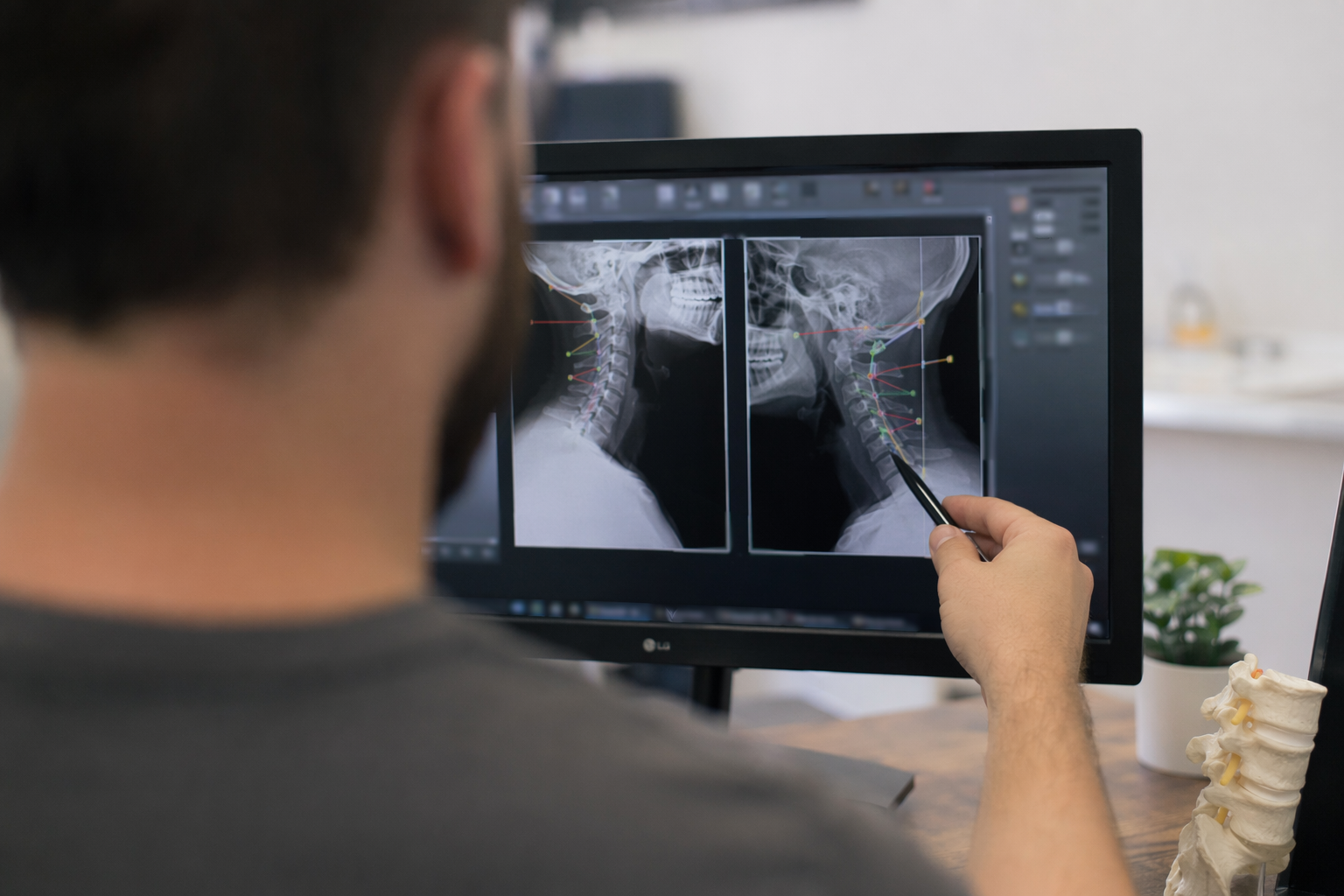
Chiropractic Biophysics (CBP) is a specialized approach within chiropractic care that focuses on correcting the shape and alignment of the spine. Unlike traditional chiropractic methods that may address only immediate pain or discomfort, CBP aims to restore the spine to its ideal, natural structure. This technique is based on the idea that poor spinal alignment can lead to chronic pain, reduced mobility. And even long-term health issues. Practitioners use precise measurements and imaging, such as X-rays, to assess the spine’s condition and create a personalized treatment plan.
CBP is rooted in biomechanics, the study of how the body moves and functions. By understanding the spine’s normal curvature and how misalignments affect the body, chiropractors can develop targeted strategies to improve posture and spinal health. This method is often used for patients with chronic back pain, scoliosis. Or other structural issues that haven’t improved with standard chiropractic care. The approach is systematic, relying on data and progress tracking to ensure treatments are effective over time.
How Chiropractic Biophysics Works?
Chiropractic Biophysics begins with a thorough evaluation, including a physical exam and X-rays. These images help the chiropractor identify specific areas where the spine deviates from its natural shape. For example, a spine might have too much or too little curvature in certain regions, leading to pain or dysfunction. Once these misalignments are identified, the chiropractor designs a treatment plan that may include spinal adjustments, exercises. And traction devices to gradually correct the spine’s position.
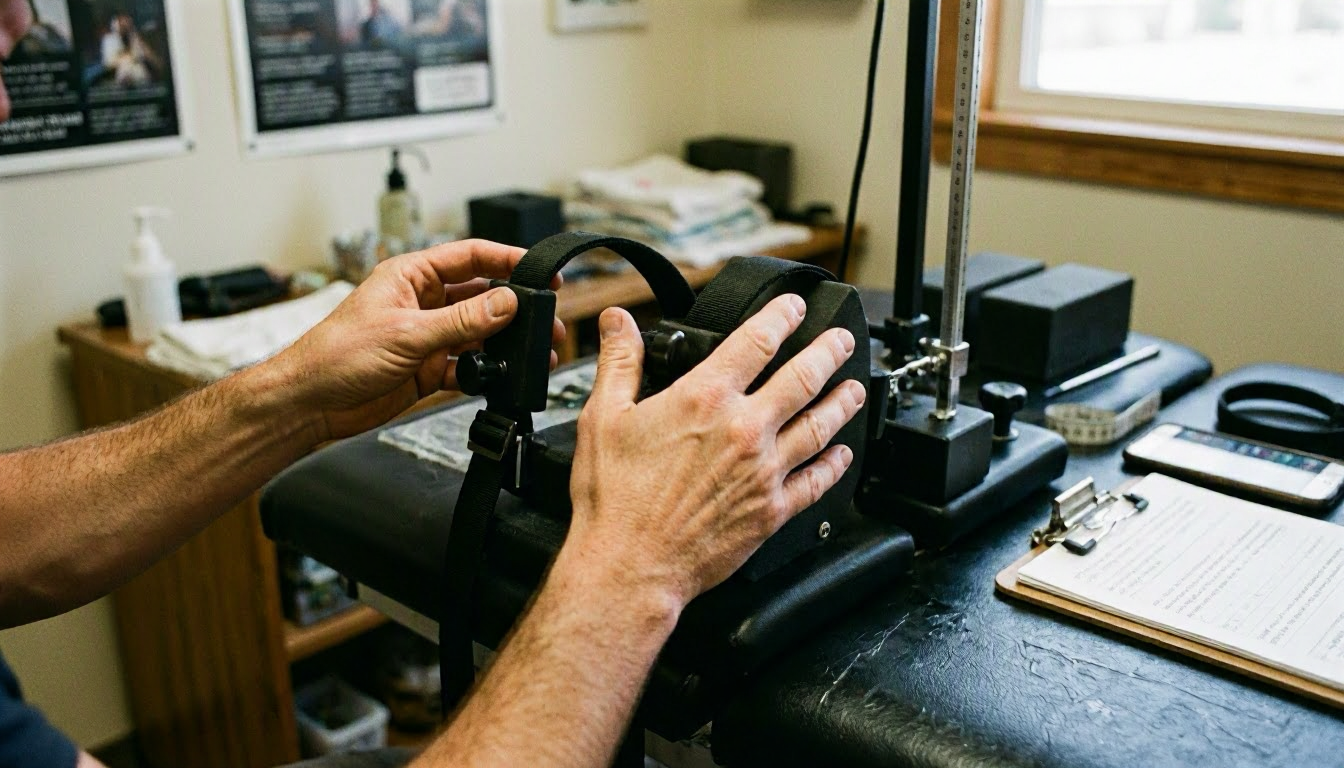
A common issue is Traction is a key part of CBP and involves using devices to gently stretch and realign the spine. This can be done manually by the chiropractor or with specialized equipment like cervical or lumbar traction tables. Patients are often given exercises to perform at home to reinforce the adjustments made during treatment. The result is these exercises help strengthen muscles, improve flexibility. And maintain the spine’s new alignment. Progress is monitored through follow-up X-rays and physical exams to ensure the spine is moving toward its ideal shape.
Why Chiropractic Biophysics Matters?
Chiropractic Biophysics matters because it addresses the root cause of spinal problems rather than just masking symptoms. Many people with chronic back or neck pain find temporary relief with standard chiropractic adjustments. But the pain often returns if the underlying structural issues aren’t corrected. CBP focuses on long-term improvement, helping patients achieve lasting relief and better overall function. By restoring the spine’s natural alignment, this technique can also improve posture, reduce wear and tear on joints. And prevent future injuries.
For patients with conditions like scoliosis, hyperkyphosis (excessive forward curvature of the upper back). Or chronic headaches caused by spinal misalignments, CBP offers a structured and evidence-based solution. The technique is particularly valuable for individuals who have tried other treatments without success. Because CBP relies on objective measurements and progress tracking, patients can see tangible improvements in their spine’s shape and function over time.
When Chiropractic Biophysics Matters Most?
Chiropractic Biophysics is most beneficial for patients with chronic spinal conditions that haven’t improved with other treatments. It's often recommended for individuals with long-standing back or neck pain, poor posture. Or spinal deformities like scoliosis. People who have suffered injuries, such as car accidents or falls, may also benefit from CBP if their spine has been misaligned as a result. And athletes or active individuals looking to improve their spinal health and prevent future injuries may find this technique helpful.
CBP is also valuable for patients seeking a structured, science-based approach to chiropractic care. Because the technique relies on measurements and progress tracking, it is ideal for those who want to see clear evidence of improvement. But it requires commitment, as treatment plans often involve multiple sessions and at-home exercises. Patients who are willing to follow the recommended regimen typically experience the best results, including reduced pain, improved mobility. And better overall spinal health.