Understanding Degenerative Disc Disease

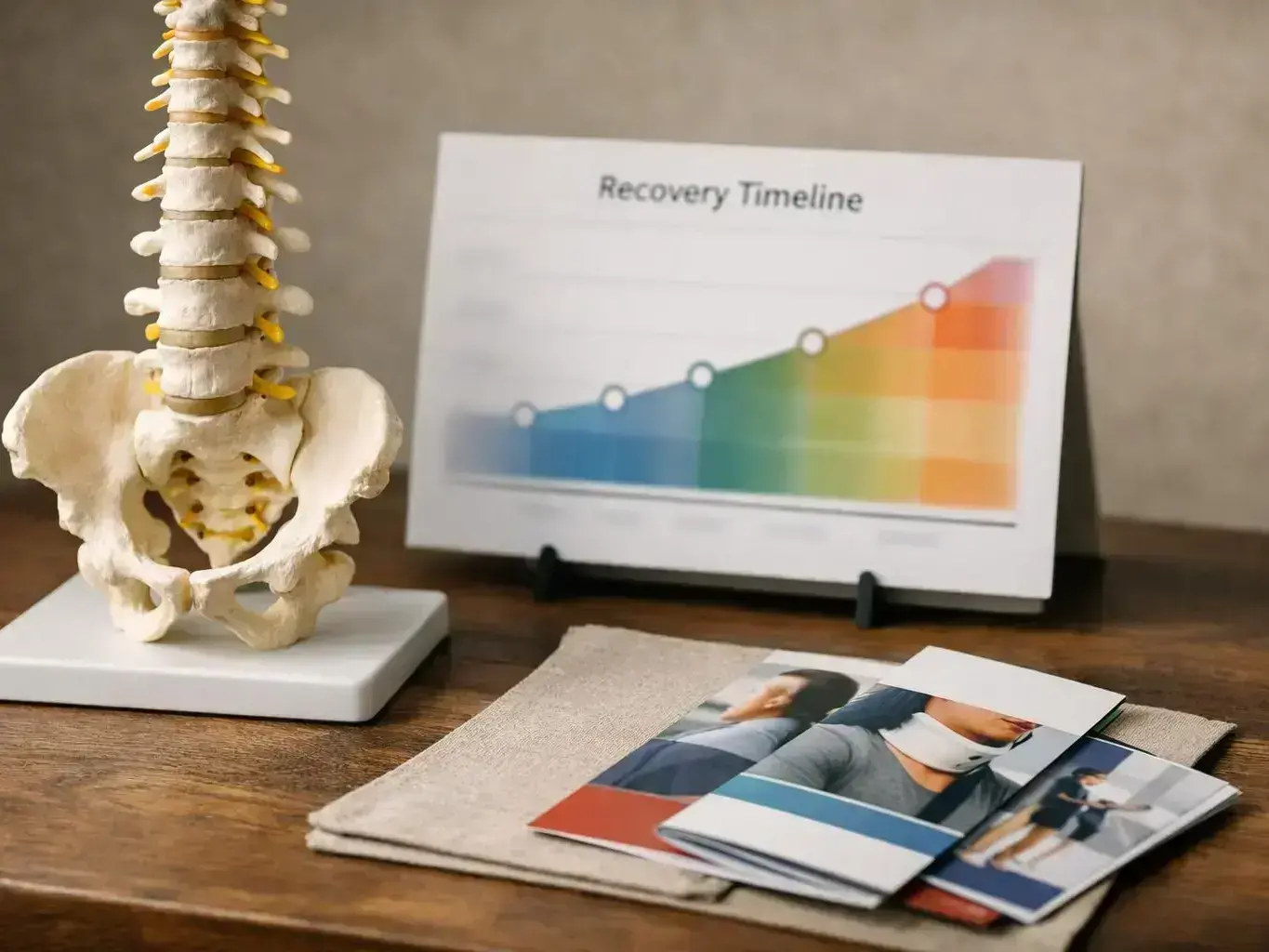
Degenerative Disc Disease means discs in your spine wear down. These discs are soft cushions between your back bones.
They act like shock absorbers. They help your spine bend, twist. And move without pain.
Over time, they lose water. They get thinner and may crack or tear.
This happens as you age. It can start in your 20s or 30s. But you may not feel it until later.
How Degenerative Disc Disease Works?
This isn't a sickness you can catch. It's not caused by germs.
It comes from daily stress on your spine. Lifting, bending. Or sitting too long can cause it.
Your genes, smoking. Or being overweight can make it worse. Some jobs or sports can too.
Some people feel no pain. Others feel back or neck pain, stiffness. Or weakness.
This happens when they bend, lift. Or twist.
Spinal discs have two parts. The outer part is tough. The inner part is soft and jelly-like.
As discs wear down, the inner part loses water. It can't absorb shock as well.
The outer part may weaken. It can tear or bulge.
This can make the space between bones smaller. It may pinch nerves or make bones rub.
That can cause pain or make it hard to move.
Doctors find this disease in a few ways. They ask about your health and check your body.
They may use X-rays, MRIs. Or CT scans. These are pictures of your spine.
X-rays show bone spurs or thin discs. MRIs show discs and nerves clearly.
Doctors may test your nerves and muscles. This helps rule out other problems.
Other issues, like herniated discs, can feel the same.
Why Degenerative Disc Disease Matters?
This disease matters because it can hurt your daily life. Pain or stiffness may stop you from doing things.
You may not sit, drive. Or exercise easily. Over time, muscles can get weak.
You might gain weight. That can make symptoms worse.
Sometimes, nerves get irritated. That can cause pain, numbness. Or tingling.
This can spread to your arms or legs. It's called radiculopathy.
You can't fix worn discs. But you can manage the pain.
Treatment helps you move better. It stops more damage.
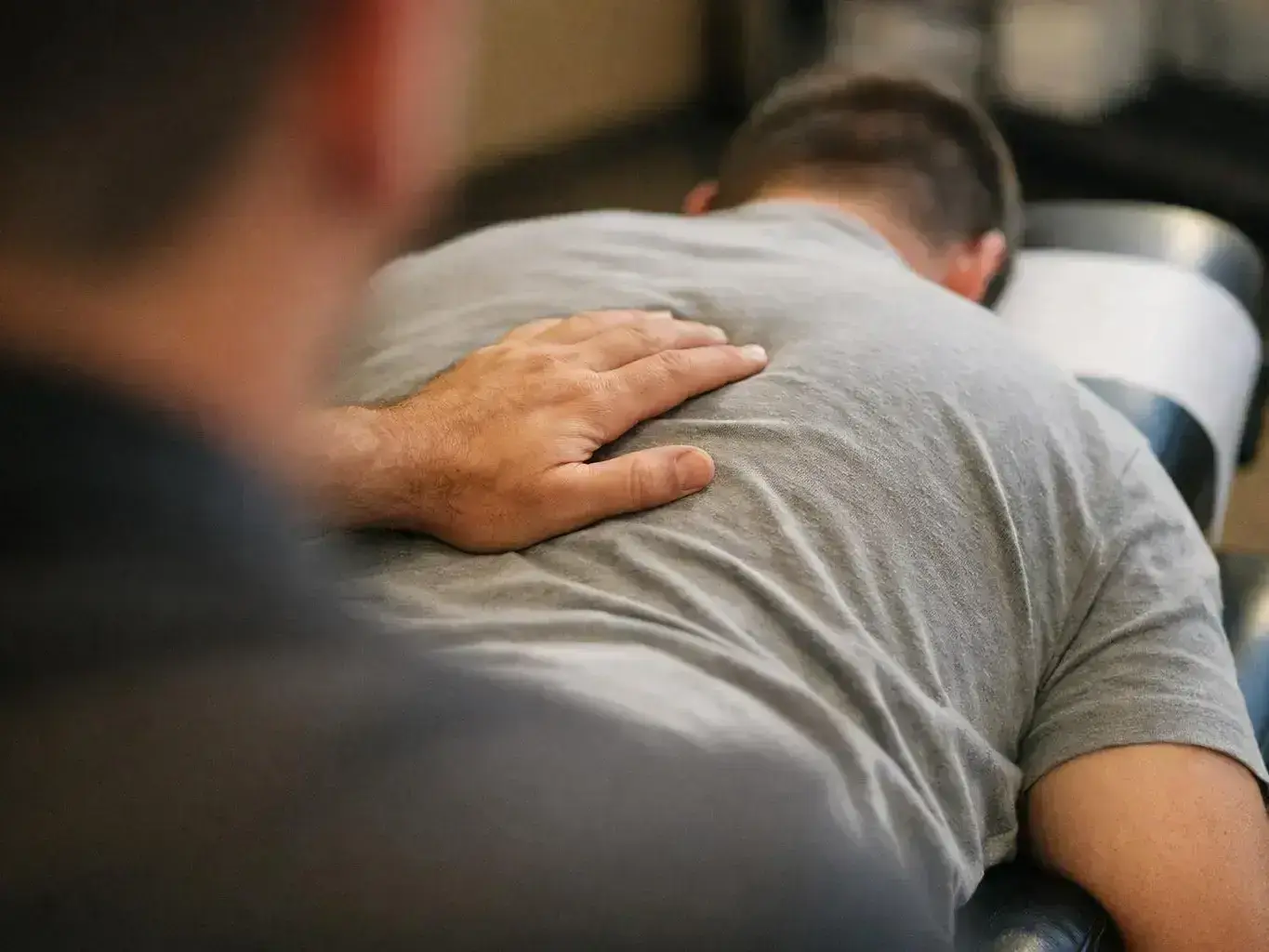
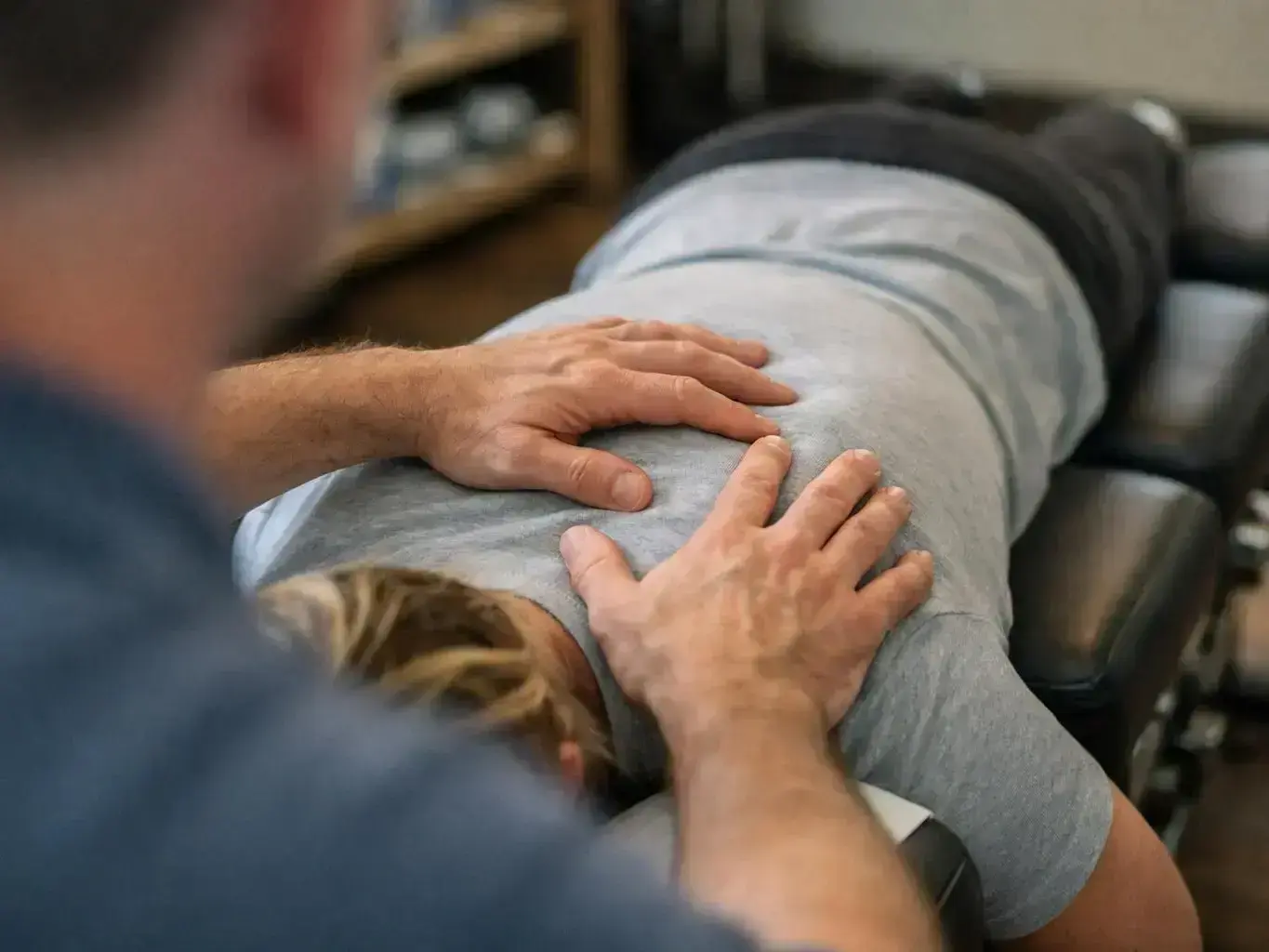
First, doctors suggest non-surgical options. These include physical therapy or chiropractic care.
Changing your daily habits helps too. For many, this makes a big difference.
In bad cases, surgery may help. It can steady your spine or ease nerve pressure.
Getting help early keeps you active. It stops long-term pain or disability.
When Degenerative Disc Disease Matters Most?
This disease is important when it hurts your daily life. Pain or stiffness can get in the way.
People with tough jobs feel it more. Construction workers or nurses lift a lot.
That can make symptoms worse. Older adults or people who sit too much feel it too.
They may hurt after sitting long, like in a car or at a desk.
Watch for early signs. Back pain, stiffness. Or tingling can mean trouble.
Getting help early stops worse problems later.
Some habits make it worse. Lifting heavy things or bad posture can hurt your discs.
Smoking or being overweight speeds it up. Car accidents or falls can cause sudden pain.
Knowing these triggers helps. You can change habits or work conditions.
This helps you manage the disease better.