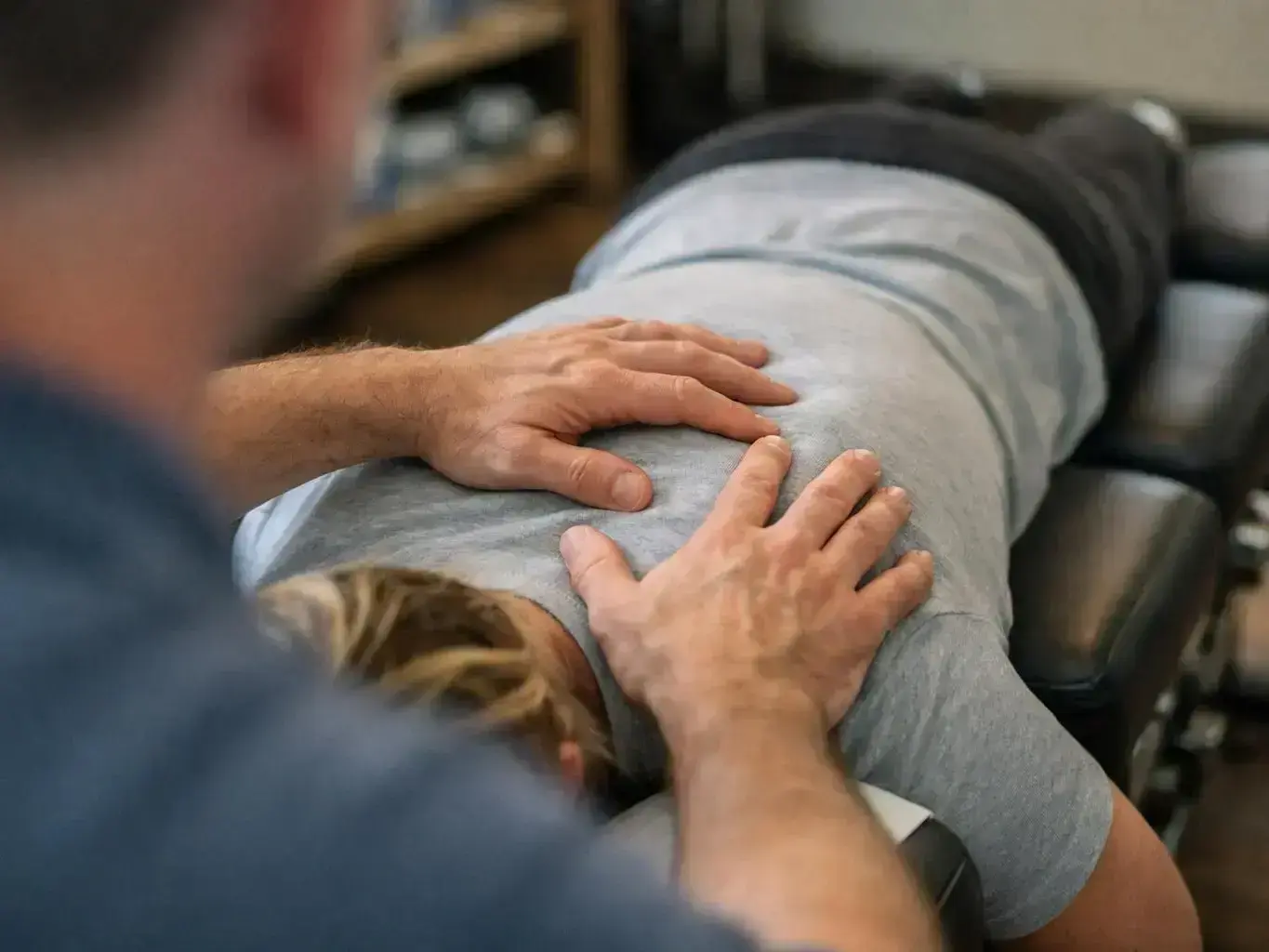
Understanding Diversified Technique

Diversified Technique is one of the most common chiropractic adjustment methods used by practitioners worldwide. It focuses on restoring proper movement and alignment to the spine and other joints through manual manipulation. Unlike techniques that rely on instruments or gentle pressure, Diversified Technique uses hands-on thrusts applied directly to the affected area. These adjustments are designed to be quick and precise, targeting specific vertebrae that may be misaligned or not moving correctly.
The goal of Diversified Technique is to improve joint function, reduce pain. And help the body heal naturally. Many patients experience immediate relief after an adjustment. Though some may require multiple sessions depending on their condition. The technique is versatile and can be adapted to treat issues in the neck, back, shoulders, hips. And even extremities like wrists and ankles. Because it's so widely taught in chiropractic schools, most chiropractors are trained in Diversified Technique, making it a standard part of chiropractic care.
How Diversified Technique Works?
During a Diversified Technique adjustment, the chiropractor first evaluates the patient’s spine and joints to identify areas of dysfunction. This may involve palpation (feeling the spine), range-of-motion tests. Or reviewing X-rays if available. Once the problem area is located, the chiropractor positions the patient in a specific way to isolate the joint. The adjustment itself involves a quick, controlled thrust applied to the joint, often resulting in a popping or cracking sound. This sound, called cavitation, is caused by gas bubbles being released from the joint fluid and is completely normal.
The force used in Diversified Technique is carefully calibrated to the patient’s size, age. And condition. While the thrust is rapid, it is also low in amplitude, meaning it doesn’t move the joint beyond its normal range of motion. This precision helps ensure the adjustment is effective while minimizing discomfort. After the adjustment, the chiropractor may reassess the joint to confirm improved movement and may recommend stretches, exercises. Or follow-up visits to support long-term results.
Why Diversified Technique Matters?

Diversified Technique matters because it offers a non-invasive, drug-free way to address common musculoskeletal issues. Many people seek chiropractic care for conditions like back pain, neck pain, headaches. And joint stiffness, which can interfere with daily activities and quality of life. By restoring proper joint function, Diversified Technique can help reduce pain, improve mobility. And boost overall well-being. For athletes or active individuals, it may also help prevent injuries by ensuring joints move correctly and efficiently.
Another key benefit of Diversified Technique is its adaptability. Because it relies on manual adjustments rather than specialized equipment, chiropractors can modify the technique to suit each patient’s unique needs. This makes it suitable for a wide range of patients, from children to seniors. And for various conditions, from acute injuries to chronic pain. And Diversified Technique is often used in conjunction with other therapies, such as soft tissue work or rehabilitation exercises, to provide full care.
When Diversified Technique Matters Most?
Diversified Technique is particularly valuable in situations where joint dysfunction is causing pain or limiting movement. For example, someone with a stiff neck from poor posture or a recent injury may benefit from an adjustment to restore normal range of motion. Similarly, individuals with chronic lower back pain, often caused by prolonged sitting or repetitive strain, may find relief through regular Diversified Technique adjustments. The technique is also commonly used to address issues like sciatica, disc herniations. And tension headaches, where spinal misalignments contribute to symptoms.
Diversified Technique may also be recommended after accidents, such as car collisions or sports injuries, where sudden force can misalign the spine or joints. In these cases, prompt chiropractic care can help realign the body and prevent long-term complications. But it’s important to note that not everyone is a candidate for Diversified Technique. Patients with certain conditions, such as severe osteoporosis, spinal fractures. Or inflammatory arthritis, may require gentler or alternative approaches. A qualified chiropractor will assess each patient’s health history and condition before recommending any treatment.