Understanding Herniated Disc

A herniated disc is also called a slipped disc. It can also be called a ruptured disc. It happens when the soft center of a disc pushes out. The push is through a crack in the tough outer part.
The spine has 24 bones called vertebrae. They stack on top of each other. Discs act like cushions between these bones.
Discs have a gel-like center. This center is called the nucleus pulposus. It sits inside a strong outer ring. The ring is called the annulus fibrosus.
The outer ring can weaken or tear. When it does, the gel inside can leak out. This gel can press on nerves or the spinal cord.
Herniated discs often happen in the lower back. This area is called the lumbar spine. They can also happen in the neck. This area is called the cervical spine.
The pressure on nerves can cause pain. It can also cause tingling or numbness. Sometimes it causes weakness in the arms or legs.
A herniated disc in the lower back can cause sciatica. Sciatica is a sharp pain. It travels down the leg.
A herniated disc in the neck can cause pain. The pain can move into the shoulder or arm. Many people have no symptoms at all.
They only find the problem during tests. These tests are for other health issues.
How Herniated Disc Works?
A herniated disc happens from stress and changes. The outer ring of a disc can weaken over time. Aging makes discs lose water and get stiff.
This makes them easier to tear. Sudden moves like lifting or twisting can cause tears. Even a cough or sneeze can cause a tear.
The gel inside can leak out. This gel can bother nearby nerves. It causes swelling and pain.
The body sees the gel as something foreign. It can cause more swelling. This makes the pain worse.
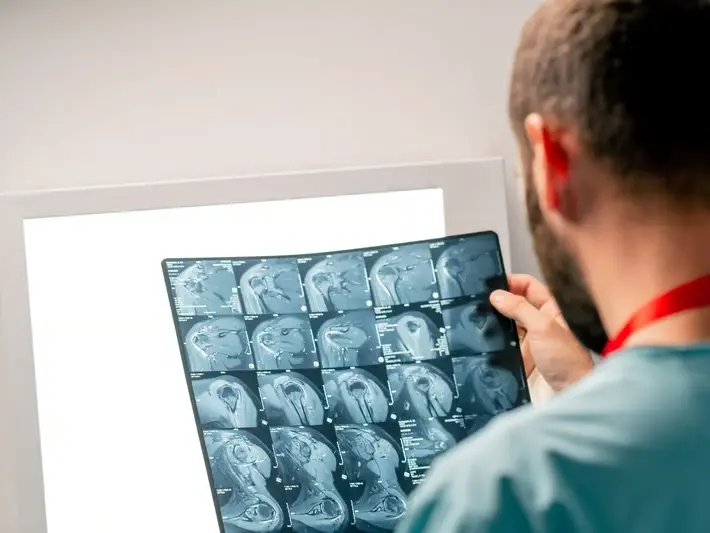
Doctors use tests to find a herniated disc. MRI or CT scans show the problem. They show where and how bad it is.
X-rays don't show soft tissues like discs. But they can rule out other problems. They can check for broken bones.
Treatment often starts with rest. Ice or heat can help. So can pain relievers you buy at the store.
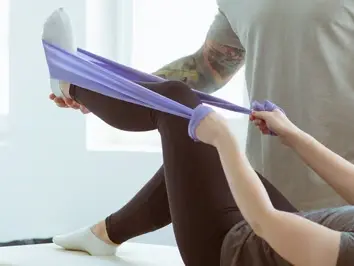
Physical therapy can help too. So can visits to a chiropractor. These help take pressure off nerves.
If pain won't go away, doctors may suggest stronger medicine. They might give steroid shots. In bad cases, surgery can remove the herniated part.
Why Herniated Disc Matters?
A herniated disc can change daily life. It can limit movement. It can cause pain that lasts a long time.
When nerves get squeezed, simple things get hard. Sitting, standing. Or walking can hurt. If not treated, it can cause nerve damage.
Muscles can get weak. In rare cases, you might lose bladder or bowel control. Early treatment helps avoid these problems.
Many people get herniated discs as they age. But it doesn't have to ruin their life. Knowing about it helps people make good choices.
They can choose treatments. They can change how they live. They can take steps to prevent it.
Staying at a healthy weight helps. So does good posture. Using the right way to lift things helps too.
Catching symptoms early is key. It helps you get help faster. This can mean less pain and quicker healing.
When Herniated Disc Matters Most?
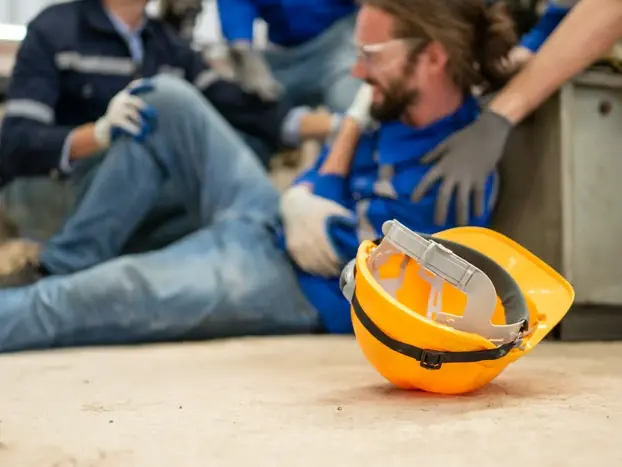
Herniated discs matter in some situations. Sudden injury can cause them. So can doing the same thing over and over.
Athletes and workers who lift a lot get them more. Older people get them as discs wear out. People who sit a lot can get them too.
Some things can make symptoms worse. Driving for a long time can hurt. So can sitting with bad posture.
Desk jobs can strain the neck and back. This can raise the risk of a herniated disc. If pain lasts weeks, see a doctor.
Get help if pain stops you from daily tasks. Also get help if arms or legs feel weak or numb. A doctor can check for nerve damage.