Understanding Intervertebral Disc
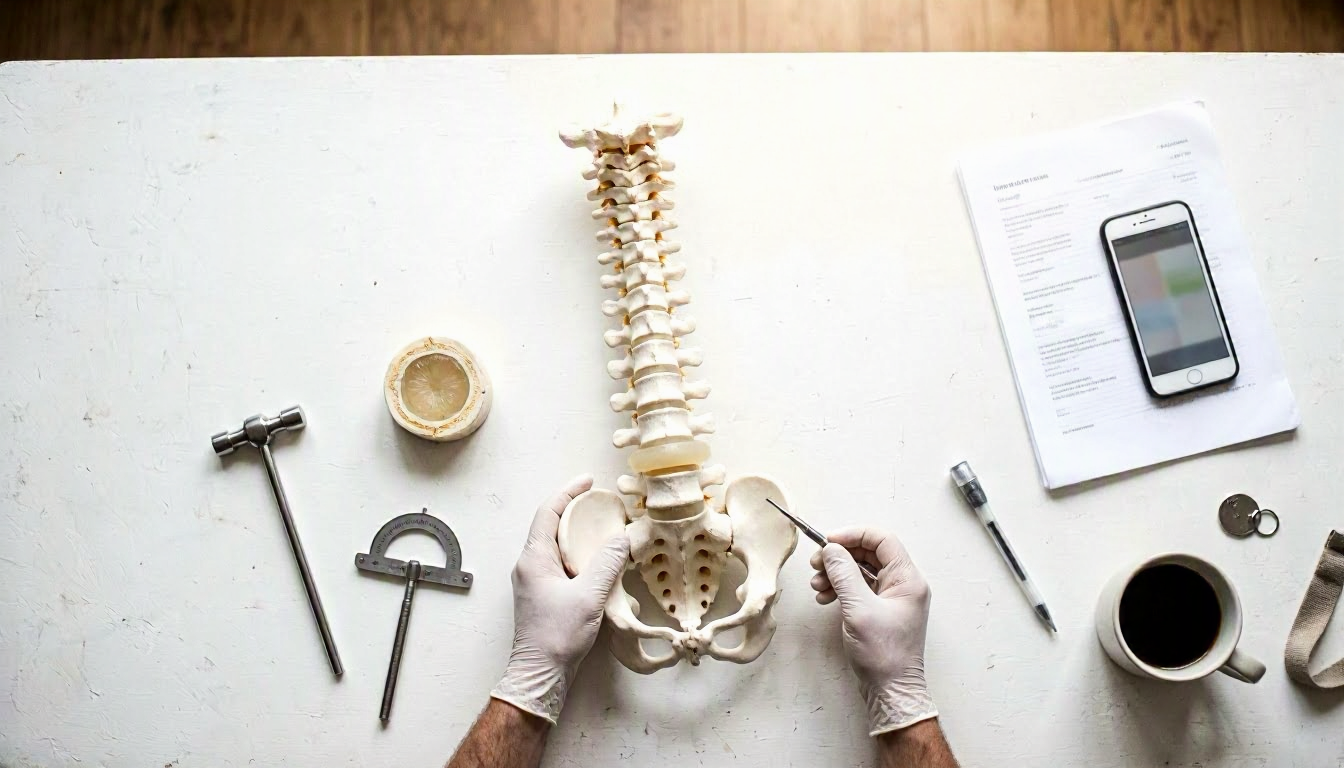
Intervertebral Discs are small, round pads. They sit between the bones of your spine. You have 23 discs in your spine.
They sit between each pair of bones. The top two neck bones don't have a disc. These discs make up one-quarter of your spine's length.
They help you move every day. Without them, moving would hurt. Bones would grind together.
Each disc has a simple design. The outer layer is called the annulus fibrosus (strong fibers). It's made of strong fibers in circles.
These fibers work like onion layers. They keep the disc's shape. They hold the bones together.
The inside is soft and jelly-like. It's called the nucleus pulposus (gel center). It moves when your spine bends.
This mix gives the disc strength. It also keeps it flexible.
How Intervertebral Disc Works?
Discs soak up and spread force. When you walk, run. Or lift, your spine feels pressure. The discs squeeze a little under this weight.
They spread the force evenly. This stops one bone from taking too much weight. Too much weight can cause damage or pain.
The gel center moves as you bend. This helps you stay balanced.
Discs need movement and water to stay healthy. During the day, your body squeezes water out. The discs get thinner by evening.
At night, they soak up water again. They return to full size. This is why you're taller in the morning.
Walking or stretching helps discs. It keeps them fed. It helps blood flow and water move.
Discs lose water as you age. They get less flexible. They can get damaged more easily.
This is why older people get stiff. They may have back pain too. Staying active helps slow this down.
Drink water and sit up straight. This keeps discs healthy longer.
Why Intervertebral Disc Matters?

Discs help you live without pain. They let your spine move smoothly. They also protect nerves in your spine.
But damaged discs cause problems. They can hurt from injury, aging. Or bad posture. A herniated disc is one problem.
This happens when the soft gel pushes out. It presses on nerves. This can cause pain, tingling. Or weakness.
The pain can be in your back, legs. Or arms. It depends on where the disc is.
Many people see chiropractors for disc problems. Discs heal slowly. They don't get much blood.
Chiropractors help discs heal. They ease pressure and fix spine alignment. This can help without surgery or medicine.
When Intervertebral Disc Matters Most?
Discs matter most during hard activities. Lifting heavy things strains them. So does sitting too long.
Twisting or bending quickly can hurt them. Some jobs strain discs more. These include construction, nursing. And office work.
Athletes in tough sports risk disc injuries. Football and gymnastics put big force on spines.
Disc problems grow slowly. You may not feel them at first. Signs include back pain when moving.
You might feel stiff after sitting. Arms or legs may go numb. Don't ignore these signs.
They can lead to worse problems. Chronic pain or nerve damage can happen. Chiropractors can find problems early.
They can treat them before more damage happens. In Nashville, TN, many people see chiropractors. They have disc problems from accidents, work. Or daily wear.
- Sudden back pain may mean a disc injury.
- Numbness or tingling can mean a disc is pressing a nerve.
- Sitting too long raises disc pressure. This can cause damage.
- Exercise and water help keep discs healthy and flexible.