Understanding Ligament Sprain

Ligament sprains occur when ligaments—the strong, flexible bands of tissue that connect bones to other bones at joints—are stretched or torn. Ligaments provide stability and limit excessive movement in joints like ankles, knees, wrists. And shoulders. When a joint is forced beyond its normal range of motion, such as during a sudden twist, fall. Or impact, the ligament can overstretch or tear, resulting in a sprain. Unlike muscle strains, which involve damage to muscle fibers or tendons, sprains specifically affect ligaments.
Sprains are classified into three grades based on severity. A Grade I sprain involves mild stretching of the ligament with minimal damage, causing slight pain and swelling but no joint instability. A Grade II sprain is a partial tear, leading to moderate pain, swelling, bruising. And some difficulty using the joint. A Grade III sprain is a complete rupture of the ligament, often causing severe pain, significant swelling, bruising. And joint instability. Grade III sprains may require medical intervention, such as bracing, physical therapy. Or in some cases, surgery.
How Ligament Sprains Are Diagnosed and Treated?
Diagnosing a ligament sprain typically begins with a physical examination by a healthcare provider. The provider will assess the affected joint for pain, swelling, bruising. And range of motion. They may also perform specific tests, such as gently moving the joint to check for instability or laxity, which can indicate the severity of the sprain. In some cases, diagnostic imaging like X-rays or MRI scans may be used to rule out fractures or confirm the extent of ligament damage, especially for Grade II or III sprains.
Treatment for ligament sprains depends on the grade of the injury. For mild sprains (Grade I), the RICE method—Rest, Ice, Compression. And Elevation - is often sufficient. Resting the joint prevents further damage. While ice reduces swelling and pain. Compression with an elastic bandage helps control swelling. And elevating the injured area above heart level minimizes fluid buildup. Over-the-counter pain relievers, such as ibuprofen or acetaminophen, may also be used to manage discomfort. For moderate to severe sprains (Grade II or III), additional treatments may include immobilization with a brace or splint, physical therapy to restore strength and flexibility, or, in rare cases, surgical repair to reattach a completely torn ligament.
Why Ligament Sprains Matter?
Ligament sprains are among the most common injuries, affecting people of all ages and activity levels. They can occur during everyday activities, sports, work-related tasks. Or accidents, such as car collisions or slips and falls. While mild sprains often heal within a few weeks with proper care, untreated or severe sprains can lead to long-term complications, such as chronic pain, joint instability. Or increased risk of re-injury. For athletes or individuals with physically demanding jobs, a sprain can mean missed time from sports, work. Or daily activities, impacting performance and quality of life.
Beyond the immediate pain and inconvenience, ligament sprains can also contribute to secondary issues. For example, an untreated ankle sprain may lead to altered gait or movement patterns, which can place additional stress on other joints, such as the knees or hips, increasing the risk of further injury. Proper diagnosis and treatment help ensure that the ligament heals correctly, reducing the likelihood of chronic instability or arthritis in the affected joint over time.
When Ligament Sprains Matter Most?
Ligament sprains are particularly important to address in situations where joint stability and function are critical. For athletes, even a mild sprain can affect performance and increase the risk of further injury if not properly managed. In work environments, especially those involving physical labor, lifting. Or repetitive movements, an untreated sprain can lead to decreased productivity, prolonged recovery. Or even workplace accidents. For older adults, sprains can be more serious due to reduced flexibility, slower healing. And higher risk of falls, which may result in fractures or other complications.
Certain high-risk activities, such as running, jumping. Or contact sports, increase the likelihood of ligament sprains. Wearing appropriate footwear, using protective gear. And engaging in strength and flexibility training can help reduce the risk. And individuals recovering from a previous sprain are more susceptible to re-injury, making proper rehabilitation and gradual return to activity essential. In cases of severe sprains, such as those involving complete ligament tears, prompt medical evaluation is crucial to determine whether surgical intervention or specialized care is needed to restore joint function.
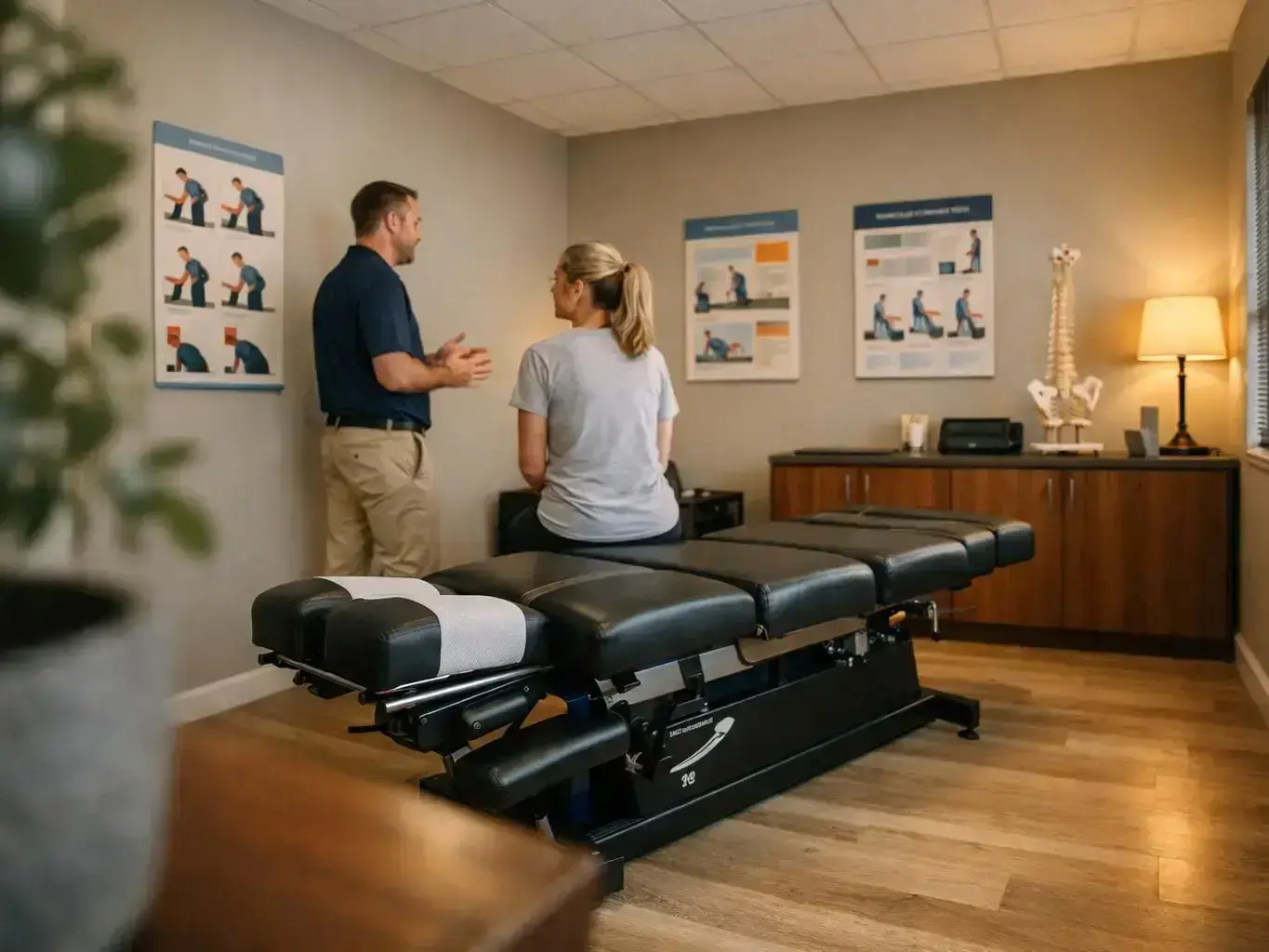
In Nashville, TN, ligament sprains are a common reason for visits to chiropractic clinics, especially among athletes, workers in physically demanding jobs. And individuals involved in car accidents. Chiropractors often work alongside other healthcare providers to assess joint alignment, muscle imbalances. And movement patterns that may contribute to sprains or delay recovery. Addressing these factors can help patients regain strength, stability. And confidence in their joints after an injury.