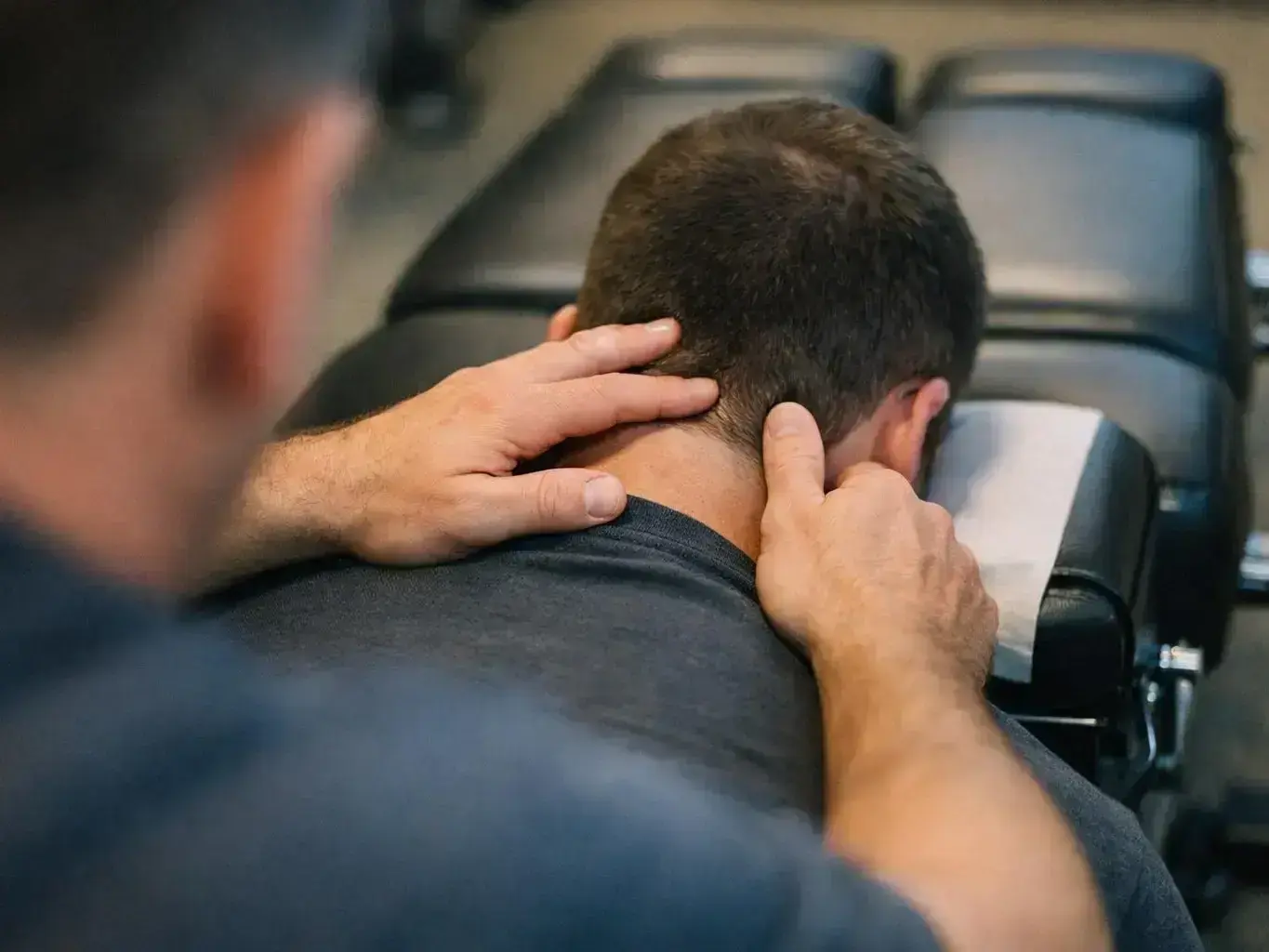
Understanding Muscle Spasm
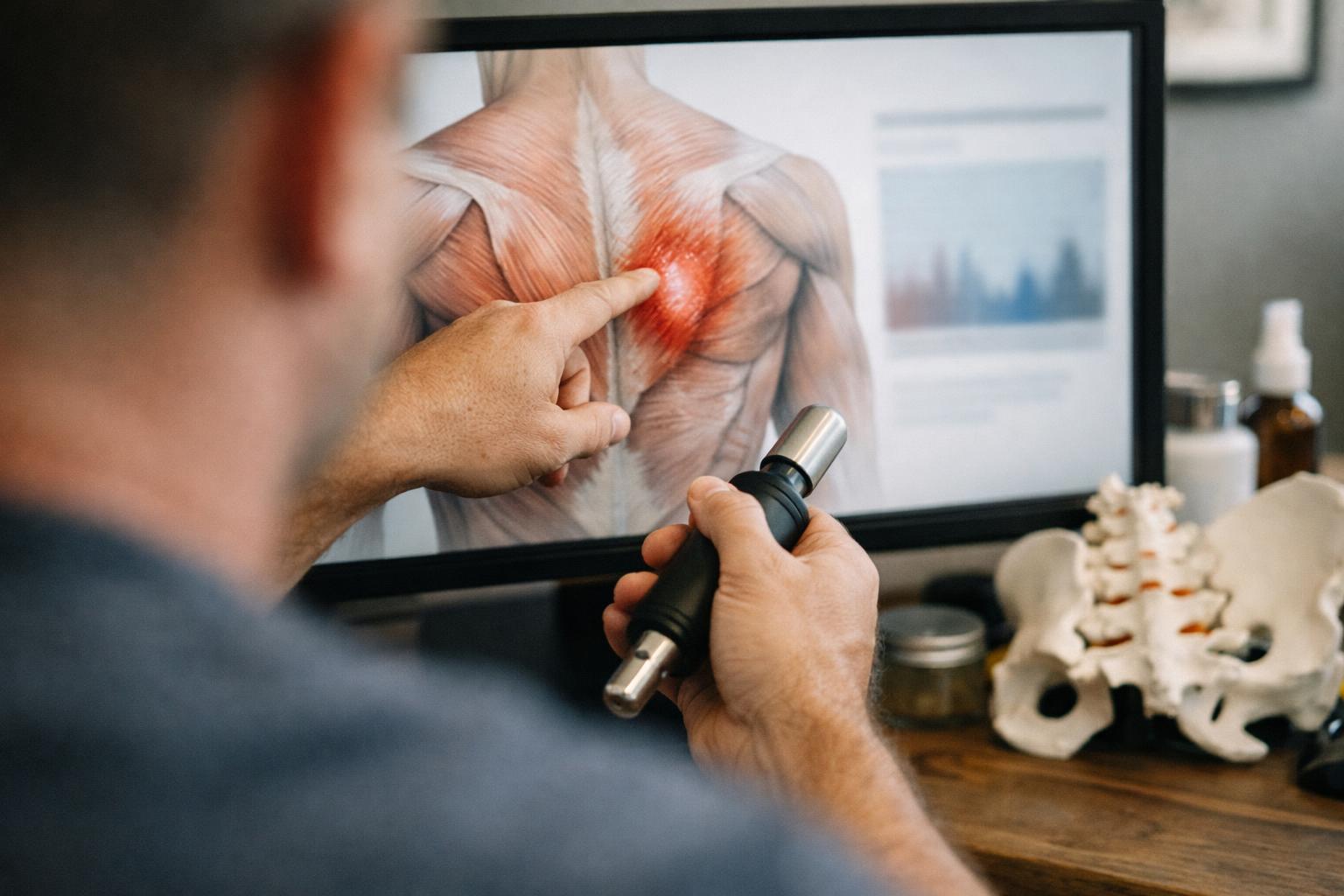
Muscle spasms are sudden muscle squeezes. They happen without warning. They can hurt a little or a lot.
Any muscle in your body can spasm. Most spasms are not serious. They go away on their own.
But they can mean something is wrong. Too much work, not enough water. Or nerve problems can cause them.
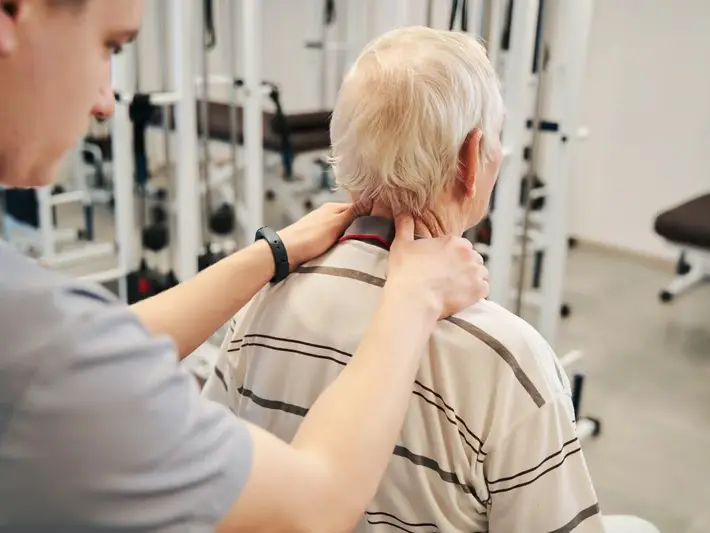
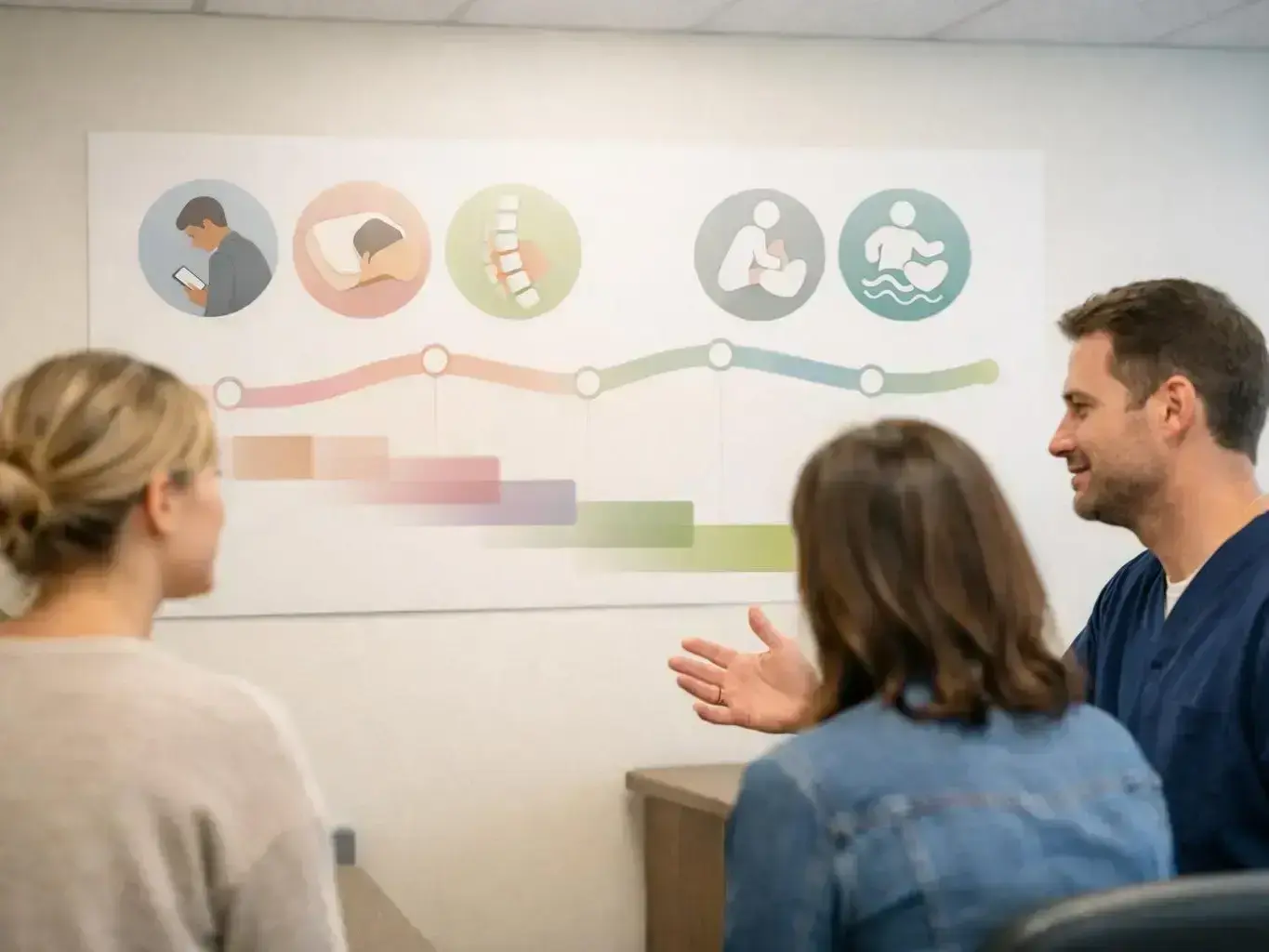
Sitting too long with bad posture can hurt your neck. It can also hurt your back. This can cause spasms.
Spasms are not the same as cramps. Cramps last longer. They also hurt more.
A spasm may feel like a quick tight pull. It may feel like a hard knot under your skin.
A cramp hurts a bigger area. It lasts longer too. Both can stop you from doing things.
Spasms don’t last as long. Knowing the difference helps you treat them right.
Rest can help spasms. Drinking water can help cramps.
How Muscle Spasm Works?
Muscle spasms happen when nerves send odd signals. These signals make muscles squeeze hard.
Normally, muscles squeeze and relax on their own. But some things can mess this up.
Not drinking enough water can cause spasms. So can low minerals like magnesium or potassium.
These minerals help muscles work right. Without them, muscles spasm more.
Nerves can also cause spasms. If nerves are pinched or sore, they send bad signals.
This can make muscles spasm. A pinched nerve in your back can cause leg spasms.
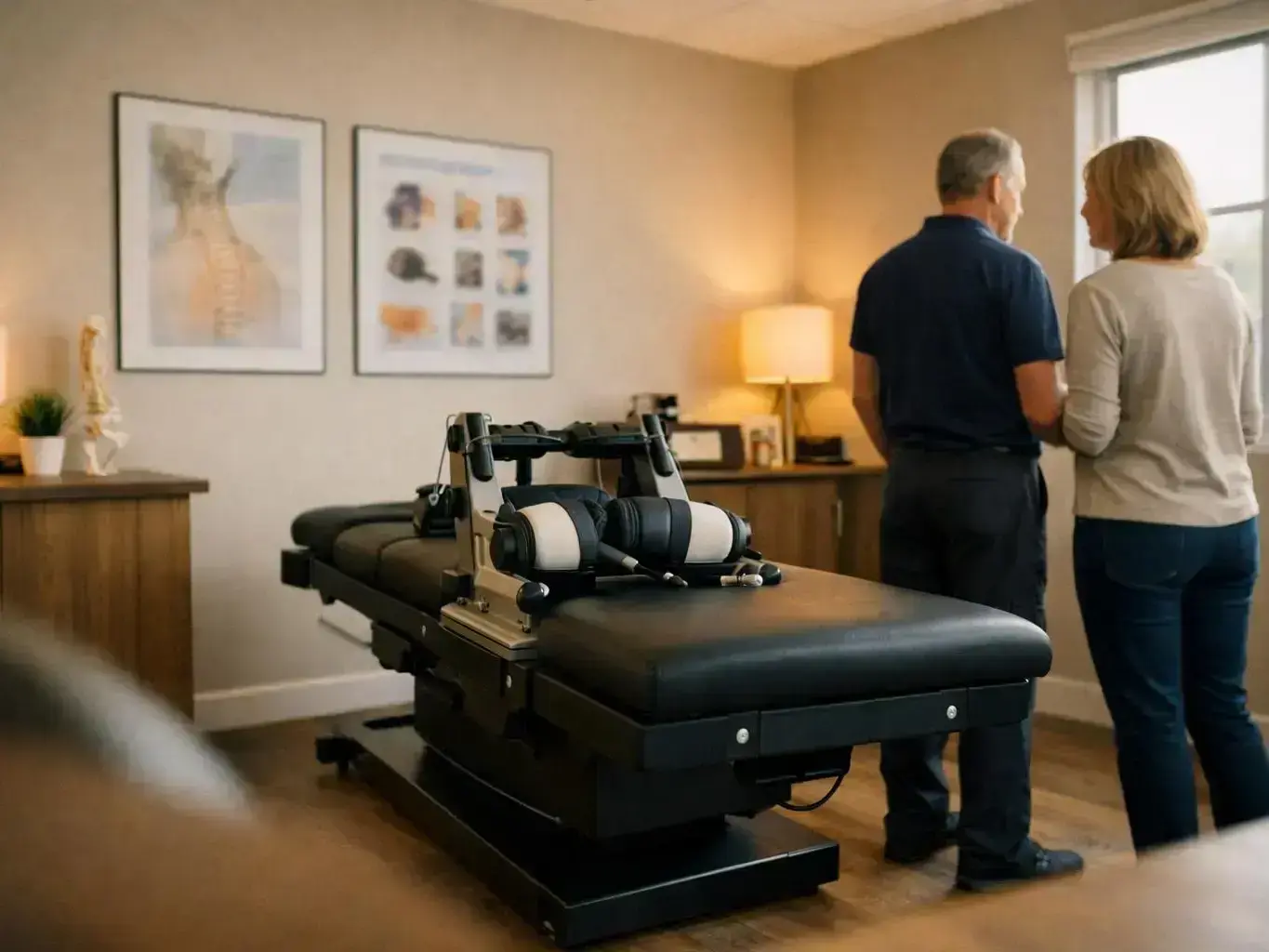
This is called sciatica (a nerve problem). Chiropractic care can help.
It fixes misalignments (when bones are out of place). This can stop nerve irritation.
Gentle fixes and soft touches can help. They ease tension and help nerves work better.
This may stop spasms before they start.
Why Muscle Spasm Matters?
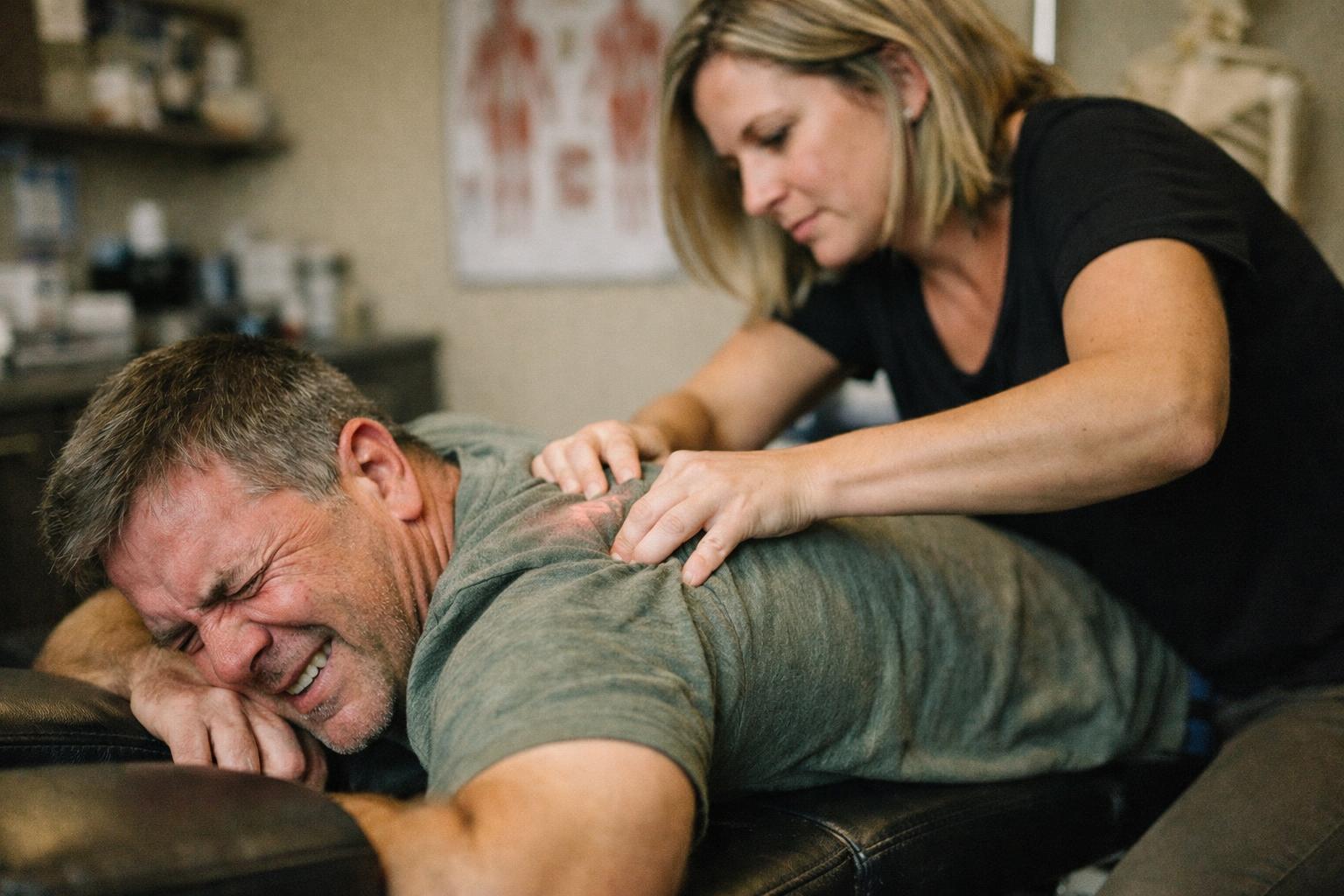
Muscle spasms are not just annoying. They can mean something bigger is wrong.
Too many spasms may mean your muscles are weak. They may mean you need more water.
They may also mean your nerves are hurt. If you don’t fix this, it can get worse.
Back spasms that keep coming back may mean your spine is out of place.
They may mean you have a disc problem. Ignoring this can cause long-term pain.
It can make it hard to move. It can make life less fun.
Fixing spasms early can stop bigger problems. Drink water and stretch often.
Sit and stand with good posture. This can help stop spasms.
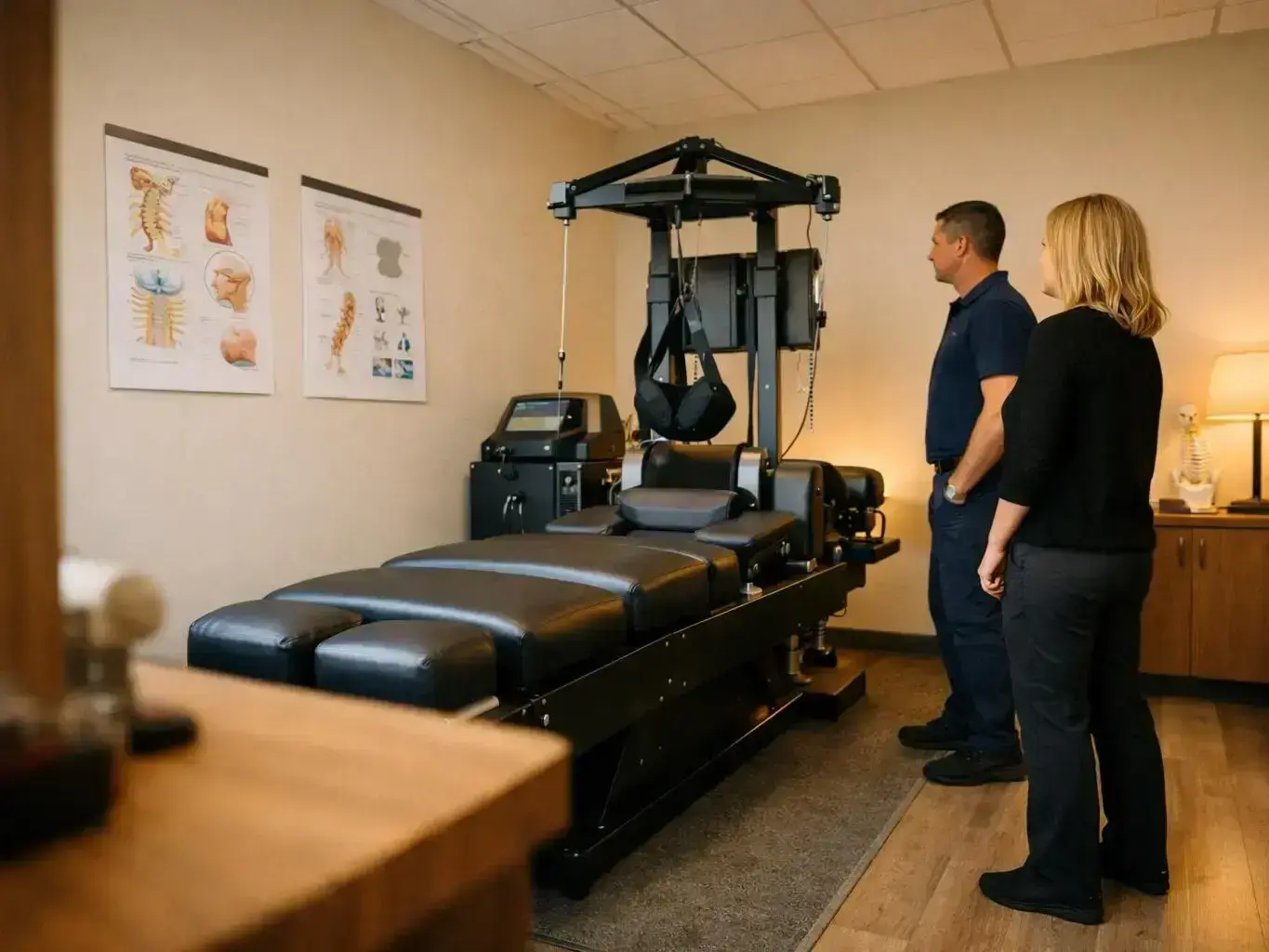
If spasms don’t go away, get help. Chiropractic care or therapy can find the cause.
They can treat it too. This helps you feel better now.
It also keeps your muscles and joints healthy later.
When Muscle Spasm Matters Most?
Muscle spasms matter when they mess up your day. They may also mean something serious.
Spasms after a hurt, like a car crash, may mean muscle or nerve damage.
Getting help fast can stop more hurt. It can also help you heal quicker.
Spasms that wake you up at night are bad. So are spasms with numbness or weakness.
These may mean a nerve problem. You should get them checked.
Some people get spasms more often. Athletes, office workers. And older adults do.
Athletes may get spasms from too much work. They may not drink enough water.
Office workers sit too long. They may have bad chairs or posture.
Older adults may lose muscle. They may have arthritis (joint pain).
Knowing this helps you stop spasms. Take breaks often.
Drink water and do exercises. This keeps muscles strong and bendy.