Understanding Muscle Strain
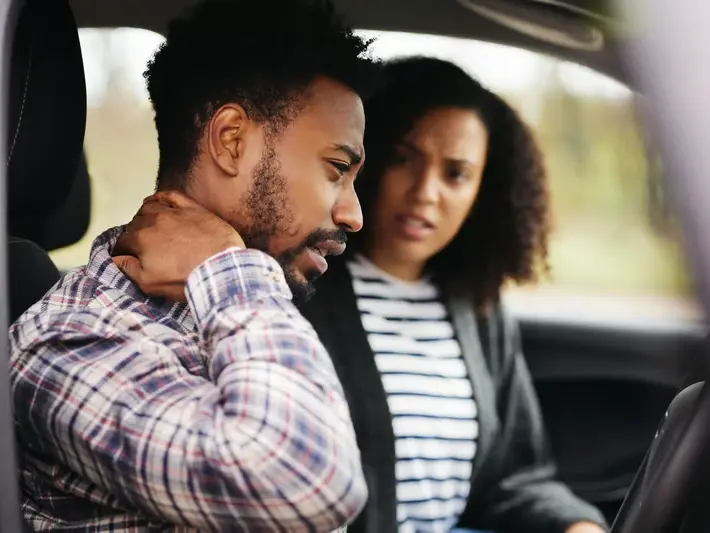
Muscle strain is a common injury. It happens when muscles or tendons stretch too far. They can also tear.
Tendons are tough cords. They connect muscles to bones. Strains often happen during activity.
You can strain a muscle by lifting heavy things. Sports can cause strains too. Sudden moves like twisting can hurt muscles.
Doing the same motion over and over can cause strains. This happens in jobs or hobbies. They involve repeating the same task.
Muscle strains are not the same as sprains. Sprains hurt ligaments. Ligaments connect bones to other bones.
Both injuries cause pain and swelling. But strains hurt muscles or tendons. Sprains hurt ligaments.
Strains can happen anywhere. They are common in the lower back. Hamstrings, calves. And shoulders get strains too.
The damage can be small or big. Mild strains cause soreness. Bad strains may need a doctor.
How Muscle Strain Works?
When muscles strain, tiny tears happen. These tears start the body's healing. They cause pain and stiffness.
Inflammation helps heal the hurt area. It protects the injury. But too much can slow healing.
Healing happens in three steps. First, the body sends extra blood. It removes damaged parts and brings nutrients.
This step is called the inflammatory phase. It lasts a few days. Then, the body starts to fix the tears.
New tissue grows in this step. It can take weeks. The time depends on how bad the strain is.
The last step makes the muscle strong again. It can take months. Bad strains take the longest.
Doctors sort strains into three grades. Grade 1 strains are small tears. They cause mild pain.
You won't lose much strength. Grade 2 strains are bigger tears. They cause pain and swelling.
You may lose some movement. Grade 3 strains are complete tears. They cause bad pain and swelling.
Bruising can happen too. You can't use the muscle. These strains often need a doctor.
You may need physical therapy. Sometimes, you need surgery. But that's rare.
Why Muscle Strain Matters?
Muscle strains can hurt daily life. Active people feel it most. This includes athletes and workers.
Even small strains can cause pain. They can stop you from lifting things. Walking or bending may hurt too.
Bad strains can cause long pain. They make it easy to get hurt again. Not treating them makes things worse.
Going back too soon can delay healing. Athletes may play worse. Workers may do less.
A strained muscle can lower strength. It can make you less flexible. You may not last as long.
Untreated strains can cause lasting pain. They can keep coming back. This may need long care.
Knowing how to stop strains helps. It keeps you active. You won't miss as much time.
When Muscle Strain Matters Most?
Strains often happen during sudden moves. Heavy lifting can cause them too. Doing the same thing over and over can hurt muscles.
Athletes get strains a lot. Runners, basketball players. And lifters are at risk. Their sports need quick moves and jumps.
Workers can get strains too. Jobs like building or nursing cause them. Lifting or bending can hurt muscles.
Everyday things can cause strains. Moving furniture can hurt. So can gardening. Muscles must be ready.
Strains matter when they stop you. A hurt back makes sitting hard. A hurt leg makes walking hard.
Bad pain or swelling needs a doctor. You may not move the area. This can rule out worse injuries.
Early help speeds up healing. It lowers the chance of problems. People who had strains get them again easier.
Warming up helps stop strains. So does lifting the right way. Slowly making workouts harder helps too.
Stretching makes muscles stronger. It makes them more flexible. This keeps them from getting hurt.