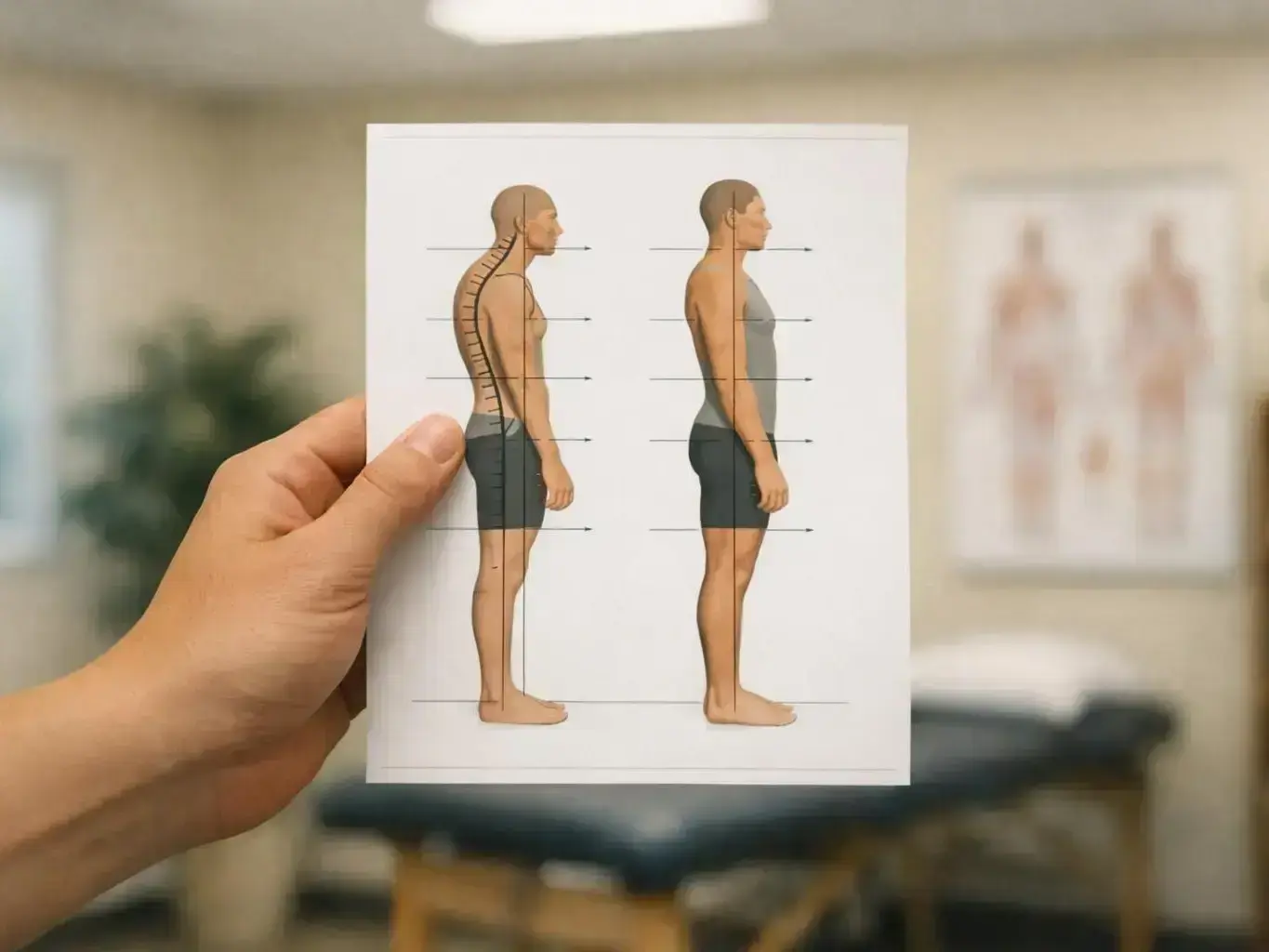
Understanding Orthopedic Tests

Orthopedic Tests are a set of physical examination techniques used to evaluate the health and function of bones, joints, muscles. And nerves. Unlike imaging tests such as X-rays or MRIs, these tests rely on the clinician’s hands and the patient’s responses to specific movements or pressure. For example, a chiropractor might gently press on a patient’s wrist or ask them to lift their arm in a certain way to check for nerve irritation, tendon damage. Or joint instability. These tests are designed to reproduce symptoms, helping the clinician confirm or rule out conditions like carpal tunnel syndrome, rotator cuff tears. Or lumbar disc herniation.
The term "orthopedic" refers to the medical field focused on the musculoskeletal system, which includes bones, muscles, ligaments, tendons. And nerves. While orthopedic surgeons often use these tests, chiropractors, physical therapists. And sports medicine doctors also rely on them as part of their daily practice. The goal is to gather immediate, actionable information about an injury or condition without invasive procedures or expensive equipment. This makes Orthopedic Tests a practical first step in diagnosing problems, especially in settings like chiropractic clinics where quick, accurate assessments are essential.
How Orthopedic Tests Works, Is Measured. Or Is Used?
Orthopedic Tests follow a structured approach, with each test designed to isolate a specific structure or function. For instance, the "Straight Leg Raise" test helps identify sciatic nerve irritation by having the patient lie down while the clinician lifts their leg. If the patient feels pain or tingling down the leg at a certain angle, it suggests pressure on the sciatic nerve, often caused by a herniated disc in the lower back. Similarly, the "Hawkins-Kennedy" test checks for shoulder impingement by rotating the patient’s arm in a way that compresses the rotator cuff tendons. If the patient reports pain, it indicates inflammation or damage in that area.
These tests are not random; they're based on decades of clinical research and anatomical knowledge. Each test has a specific purpose, a standardized way to perform it. And clear criteria for a positive or negative result. For example, a positive "Anterior Drawer" test for the knee suggests a torn anterior cruciate ligament (ACL). While a negative result means the ligament is likely intact. Clinicians often combine multiple tests to increase accuracy. For instance, if three different tests for carpal tunnel syndrome all produce positive results, the diagnosis becomes more reliable than if only one test were used.
Orthopedic Tests are typically performed during an initial evaluation or follow-up visit. The clinician will ask the patient to describe their symptoms, such as when the pain started, what makes it worse. And what activities are difficult. They then observe the patient’s posture, gait. And range of motion before performing the relevant tests. The entire process usually takes just a few minutes per test and is painless. Though some tests may briefly reproduce the patient’s symptoms. This immediate feedback helps the clinician decide on the next steps, such as recommending chiropractic adjustments, physical therapy. Or further diagnostic imaging.
Why Orthopedic Tests Matters?
Orthopedic Tests play a critical role in musculoskeletal care because they provide real-time, hands-on information that imaging alone can't. While X-rays and MRIs show structural details like bone fractures or disc herniations, they often miss functional problems, such as how a joint moves or whether a nerve is irritated. For example, an MRI might show a bulging disc in the spine. But it cannot tell if that disc is actually pressing on a nerve and causing pain. Orthopedic Tests bridge this gap by directly assessing function and symptom reproduction, which helps clinicians tailor treatment plans to the patient’s specific needs.
Another key benefit of Orthopedic Tests is their cost-effectiveness and accessibility. Many patients, especially those with acute injuries or chronic pain, need answers quickly without waiting for expensive imaging appointments. Orthopedic Tests allow clinicians to make informed decisions during a single office visit, reducing delays in treatment. For example, a patient with sudden shoulder pain after a car accident can receive a diagnosis and begin chiropractic care or physical therapy on the same day, rather than waiting weeks for an MRI. This timely intervention can prevent minor issues from becoming chronic problems and help patients return to their daily activities sooner.
When Orthopedic Tests Matters Most?
Orthopedic Tests are most valuable in situations where a patient’s symptoms suggest a musculoskeletal problem. But the exact cause is unclear. For example, a patient with persistent neck pain after a car accident might have a ligament sprain, a pinched nerve. Or muscle strain. Orthopedic Tests help the clinician differentiate between these possibilities by reproducing symptoms and isolating the affected structure. Similarly, athletes with recurring joint pain, office workers with wrist discomfort. Or seniors with balance issues can all benefit from these tests to identify underlying issues like tendonitis, nerve compression. Or joint instability.
These tests are also essential when deciding whether a patient needs further diagnostic imaging or specialist referrals. For instance, if Orthopedic Tests suggest a torn ligament in the knee, the clinician might recommend an MRI to confirm the diagnosis before referring the patient to an orthopedic surgeon. Conversely, if the tests rule out serious conditions, the patient can avoid unnecessary imaging and proceed with conservative treatments like chiropractic care or physical therapy. This targeted approach saves time, reduces healthcare costs. And ensures patients receive the most appropriate care for their condition.
A practical next step is In Nashville, TN, where car accidents, sports injuries. And workplace incidents are common, Orthopedic Tests are frequently used in chiropractic clinics to assess injuries and guide treatment plans. For example, a chiropractor might use the "Spurling’s" test to evaluate nerve root compression in a patient with neck pain after a rear-end collision. The results of this test can help determine whether the patient would benefit from spinal adjustments, traction. Or soft tissue therapy, ensuring they receive the right care for their specific injury.