Understanding Soft Tissue Therapy

Soft Tissue Therapy is a hands-on treatment. It works on soft parts of your body. These parts are muscles, tendons, ligaments. And fascia (tissue sheets).
These tissues hold bones and organs. They can get tight or hurt. This happens from overuse, bad posture. Or accidents. Soft Tissue Therapy helps loosen them.
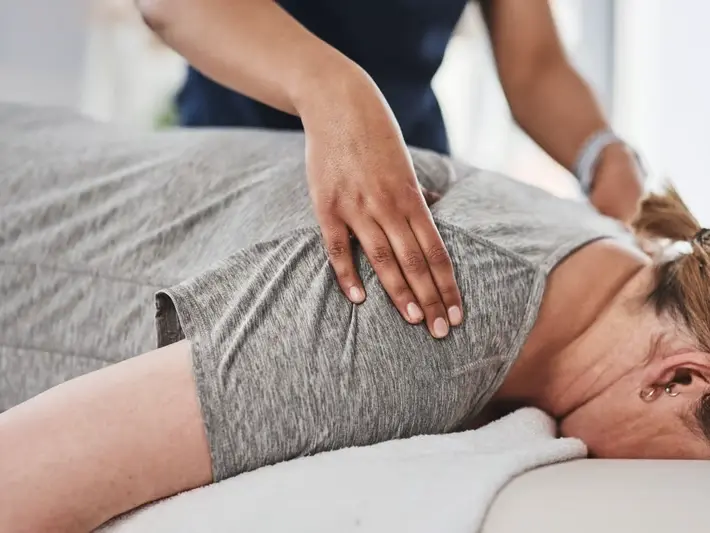
It eases pain and helps you move better. Therapists use pressure, stretching. Or tools. This fixes tight spots.
It’s not like chiropractic care. That focuses on joints and the spine. Soft Tissue Therapy works on muscles and tissues instead.
It helps with muscle strains and tendonitis (tendon swelling). It also treats repetitive strain injuries. These come from doing the same motion too much.
It works on scar tissue after surgery. The therapy can be gentle or deep. It depends on what you need. It’s used in sports, physical therapy. And chiropractic care.
How Soft Tissue Therapy Works?
Soft Tissue Therapy breaks up adhesions. These are sticky bands in tissues. It also boosts blood flow and cuts swelling.
Muscles or tendons can get knots when hurt. Scar tissue can form. This makes moving hard and causes pain.
Techniques like deep tissue massage help. So does myofascial release (loosening tissue sheets). IASTM (tools to break up tissue) works too.
Therapists may stretch you. They might use trigger point therapy. This hits tight spots in muscles.
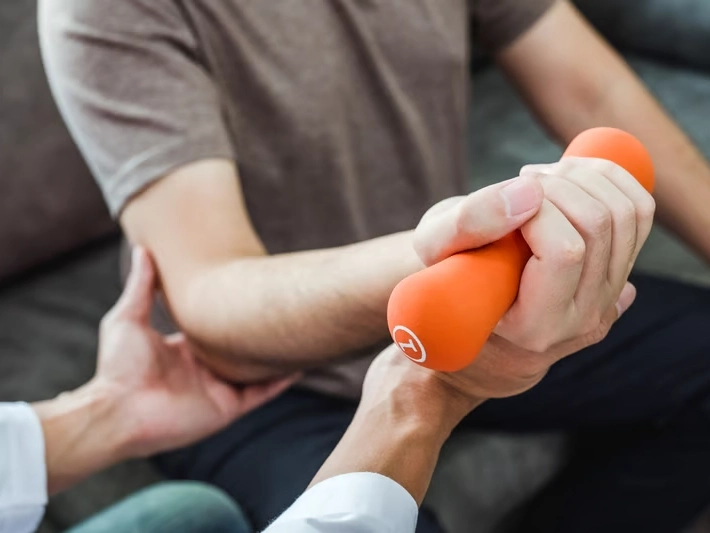
They can use foam rollers or Graston tools. These apply pressure where it’s needed. The goal is to fix tissue length and function.
This helps you move better. It eases pain and stops future injuries. Sessions last 15 to 60 minutes. It depends on the area and how bad it is.
Why Soft Tissue Therapy Matters?
Soft Tissue Therapy fixes the real cause of pain. It doesn’t just hide symptoms. Many people have pain or stiffness.
Their movement is limited. This happens from tight tissues. It can mess up daily life, work. Or sports.
This therapy helps tissues heal. Patients move more freely. They recover faster from injuries.
It cuts down on pain meds. It also lessens need for surgery. The therapy helps stop injuries before they happen.
Athletes, office workers. And laborers get tight muscles. These can lead to strains. Regular therapy keeps tissues loose and strong.
It’s great for rehab after surgery or accidents. It helps patients get strength back. They move better sooner.
When Soft Tissue Therapy Matters Most?
Soft Tissue Therapy helps most when muscles or tendons hurt. It works when they limit movement. It’s good for sports injuries.
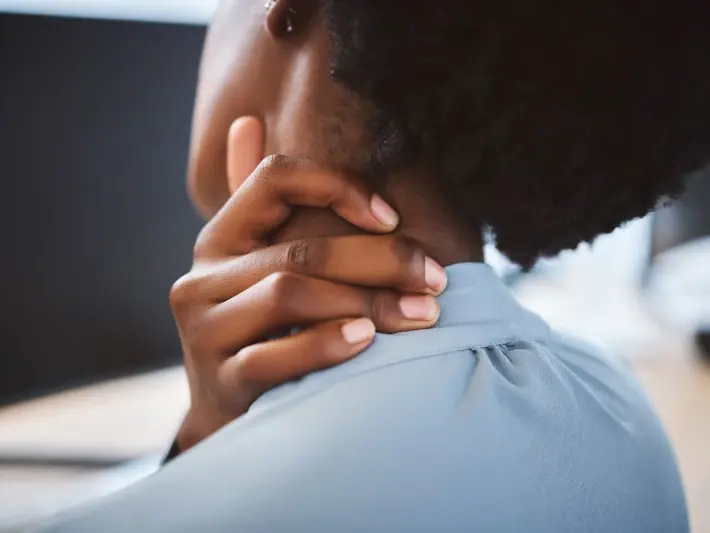
It helps with pain from bad posture. It’s useful after surgery. It treats repetitive strain injuries too.
These come from doing the same thing over and over. Carpal tunnel syndrome (wrist pain) is one. Tendonitis (tendon swelling) is another.
It helps with plantar fasciitis (foot pain). It works on rotator cuff injuries (shoulder pain). It helps it band syndrome (leg pain) too.
It eases chronic pain conditions. Fibromyalgia (body pain) is one. Myofascial pain syndrome (muscle pain) is another.
It cuts trigger points and boosts blood flow. For Nashville folks, it fits busy lives. It helps after hikes, car accidents. Or desk jobs.