Understanding Spinal Stenosis
Spinal Stenosis makes the spine's spaces too small. This can squeeze the spinal cord and nerves. The spine runs from the neck to the lower back.
It protects the spinal cord. The cord sends messages from the brain. When spaces shrink, nerves get pressed.
This can cause pain, tingling. Or weakness. It happens slowly over time. Most people with it are over 50.
Younger people can get it too. Injuries or a small spine canal can cause it. The lower back and neck are most affected.
Some people feel nothing at first. Others feel discomfort. It gets worse with activity or standing.
How Spinal Stenosis Works?
Spinal Stenosis happens when space in the spine gets tight. Things like thick ligaments take up room. Ligaments are tough bands.
They hold the spine together. Bone spurs can form too. Spurs are extra bone growths.
The body makes them to heal itself. Discs can bulge out of place. These discs are soft cushions between bones.
Symptoms depend on where the spine gets narrow. In the lower back, legs may hurt. This happens when walking or standing.
Doctors call this neurogenic claudication. In the neck, arms may hurt. Hands or shoulders can feel numb or weak.
Severe cases can affect bladder or bowel control. This needs a doctor right away.
Doctors use tests to find Spinal Stenosis. X-rays, MRI scans. Or CT scans help. These show the spine's shape.
They find where the spine is narrow. Doctors ask about symptoms. They check nerves, strength. And reflexes.
Why Spinal Stenosis Matters?
Spinal Stenosis can change daily life. Pain or weakness makes things hard. Walking, standing. Or sitting may hurt.
Some people get worse over time. Simple tasks become tough. Shopping or gardening may be hard.
Playing with grandkids might hurt. Without treatment, nerves can get damaged. Arms or legs may stop working.
Knowing about Spinal Stenosis helps. It lets people choose treatments. There is no cure. But help exists.
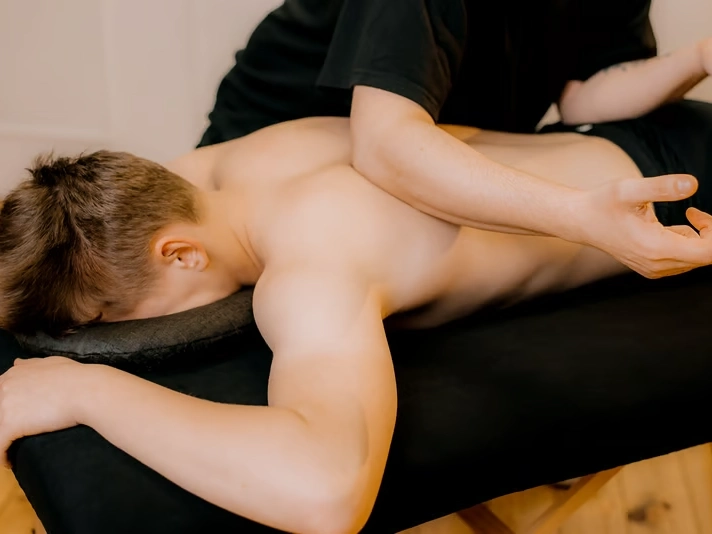
Physical therapy can help. So can medicine. Surgery is an option too. Early help means a better life.
When Spinal Stenosis Matters Most?
Spinal Stenosis matters when it hurts daily tasks. Walking may become painful. Standing can cause numbness.
Sudden weakness needs a doctor. So does loss of balance. Problems with bladder or bowel need help fast.
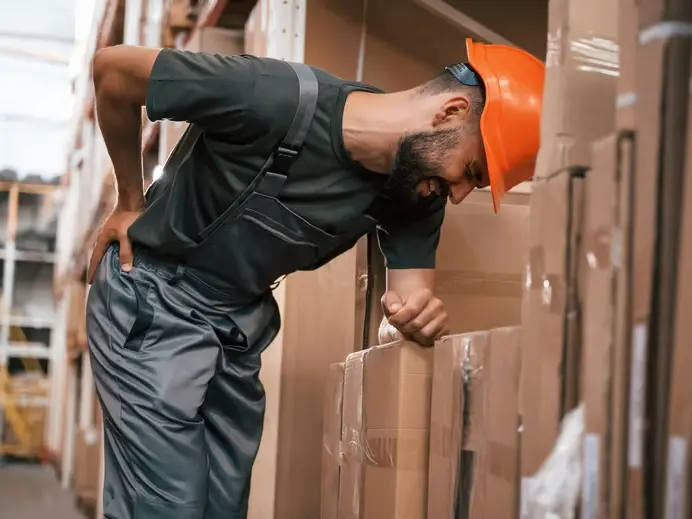
Active people should watch for signs. Athletes and workers may need changes. Heavy lifting can make it worse.
In Nashville, TN, many stay active. Knowing signs early helps. It keeps people moving without pain.
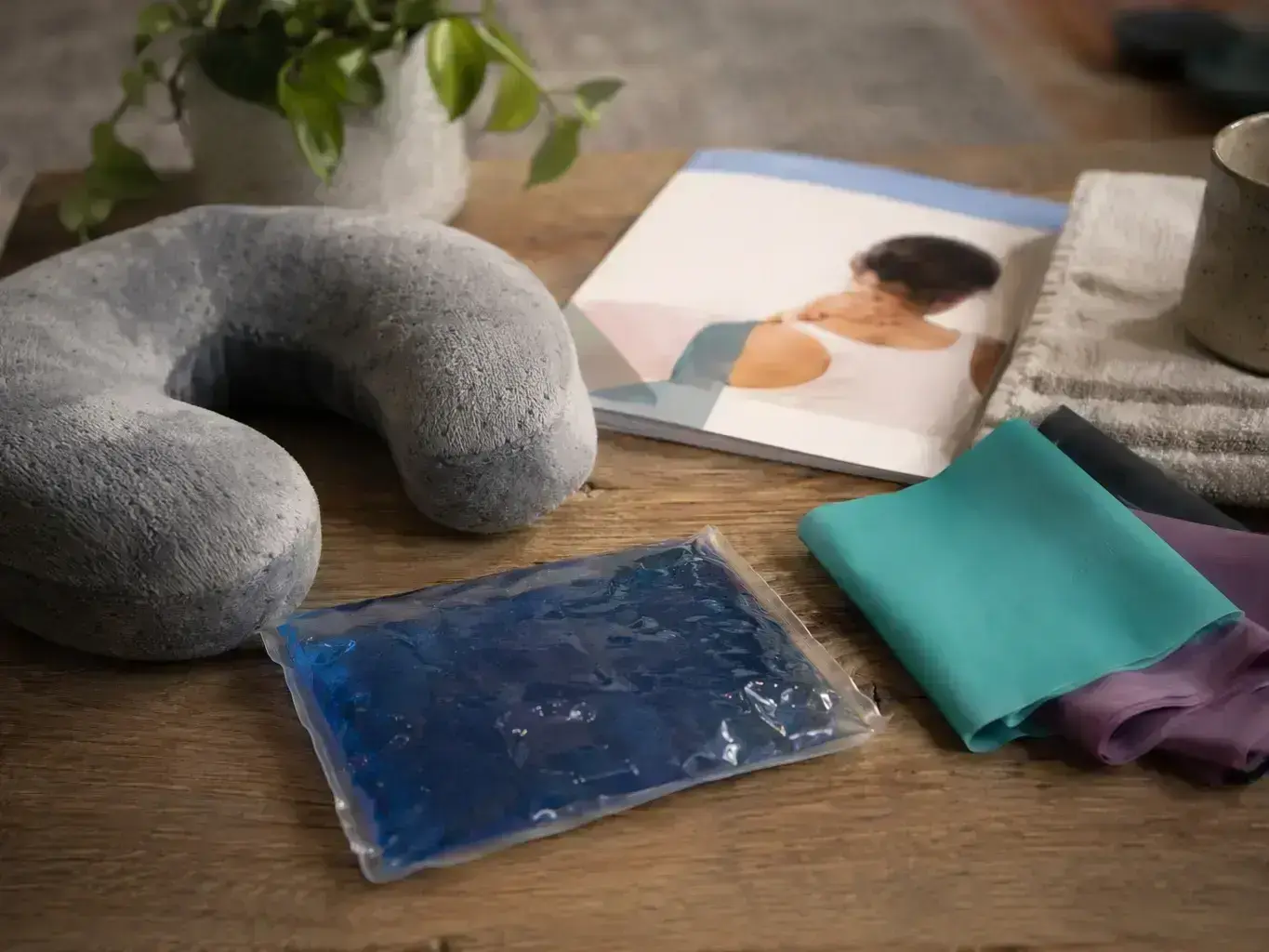
Treatment depends on symptoms. Mild cases need exercise. Pain relievers can help too.
Bad cases may need stronger medicine. Injections or surgery can help. Surgery makes more space in the spine.
A doctor can make a plan. It will fit each person's life. This helps manage symptoms well.