Understanding Atlas Orthogonal
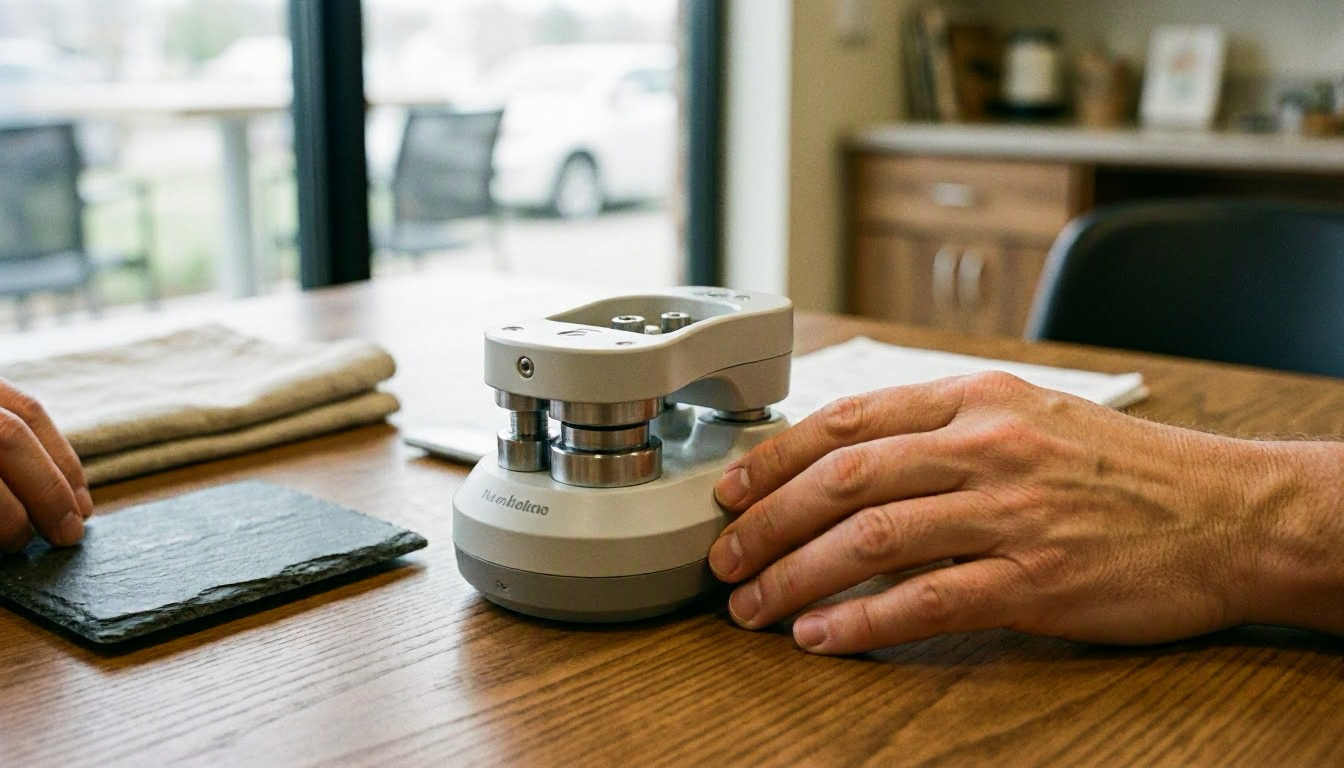
Atlas Orthogonal is a chiropractic method designed to address misalignments of the atlas vertebra, which is the first cervical bone located at the top of the spine. This bone supports the skull and plays a critical role in the body’s balance and nervous system function. When the atlas is misaligned, it can affect the entire spine, leading to issues like headaches, neck pain. Or even nerve irritation. Unlike traditional chiropractic adjustments that may involve manual force, Atlas Orthogonal uses a specialized instrument to deliver a controlled, low-force correction.
Related glossary terms: Chiropractic Adjustment, Cervical spine, Spinal Alignment.
The technique was developed to provide a more precise and gentle approach to spinal care. It's particularly useful for patients who may be uncomfortable with the cracking or popping sounds associated with manual adjustments. Because the atlas vertebra is so close to the brainstem, even small misalignments can have widespread effects on health. By focusing on this specific area, Atlas Orthogonal aims to restore proper alignment and support the body’s natural healing processes.
How Atlas Orthogonal Works?
The Atlas Orthogonal procedure begins with a detailed assessment, including X-rays or imaging to identify the exact position of the atlas vertebra. The chiropractor measures the degree of misalignment and determines the precise angle and force needed for correction. During the adjustment, the patient lies on their side or back while the chiropractor uses a handheld instrument to deliver a quick, gentle impulse to the side of the neck. This impulse is calibrated to move the atlas vertebra back into its proper position without causing discomfort.
The instrument used in Atlas Orthogonal is designed to deliver a consistent and controlled force, making the adjustment highly reproducible. Patients often report feeling immediate relief or improved mobility after the procedure. Because the technique is so precise, it minimizes the risk of over-correction or unnecessary force, which can be a concern with manual adjustments. Follow-up visits may be recommended to monitor progress and ensure the atlas remains properly aligned.
Why Atlas Orthogonal Matters?
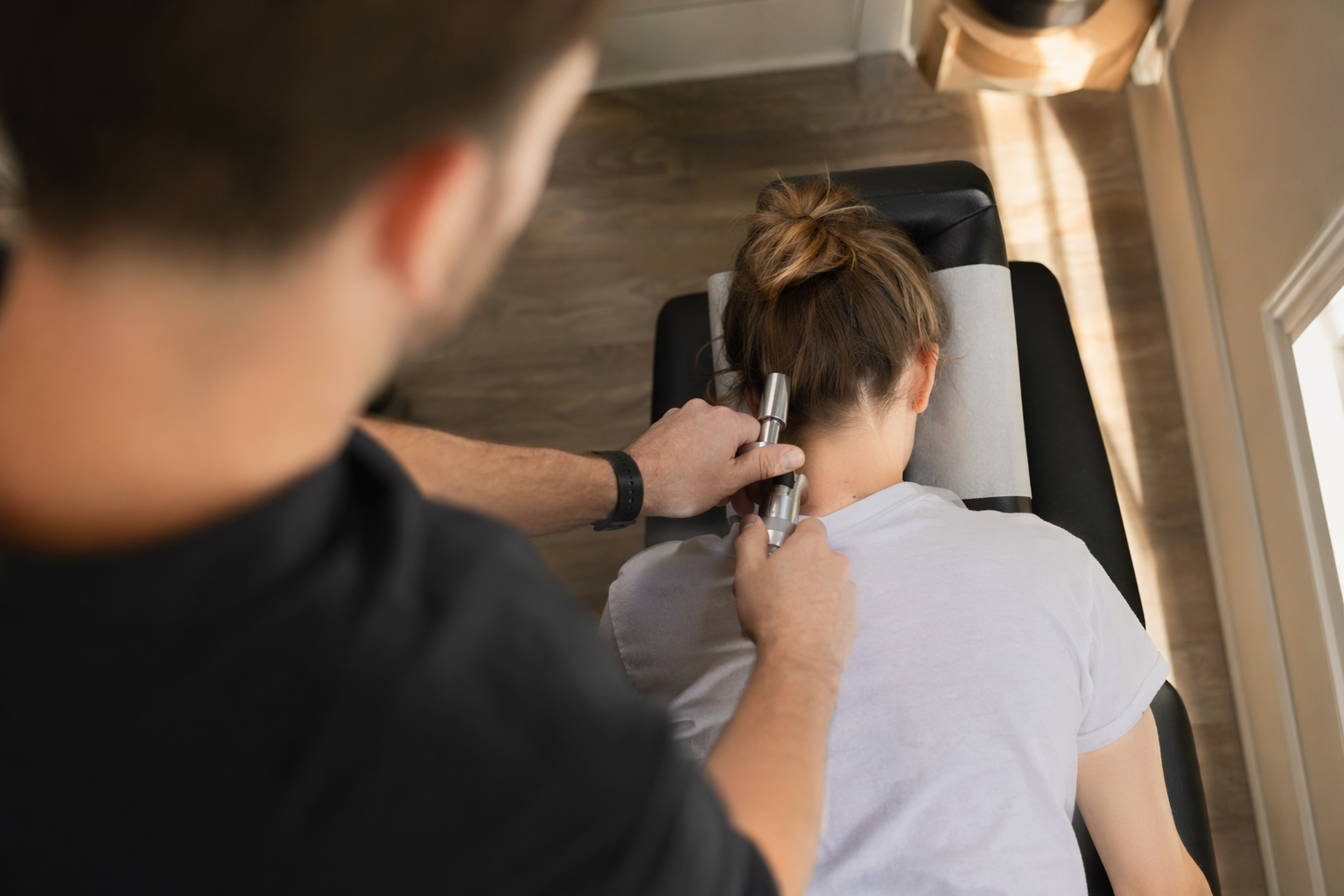
Atlas Orthogonal matters because misalignments of the atlas vertebra can have far-reaching effects on the body. Since the atlas supports the skull and is located near the brainstem, even minor misalignments can disrupt nerve function, leading to symptoms like chronic headaches, dizziness. Or neck stiffness. By correcting these misalignments, Atlas Orthogonal aims to restore proper nervous system communication, which can improve overall health and well-being.
Another key benefit of Atlas Orthogonal is its gentleness. Many patients, including those with conditions like arthritis, osteoporosis. Or a history of trauma, may find traditional chiropractic adjustments too forceful. Atlas Orthogonal offers an alternative that's less invasive and more comfortable, making it accessible to a broader range of patients. And the precision of the technique reduces the likelihood of complications, making it a safe option for long-term care.
When Atlas Orthogonal Matters Most?
Atlas Orthogonal is particularly important for individuals experiencing symptoms related to neck misalignment, such as chronic headaches, migraines. Or vertigo. It is also beneficial for patients who have sustained injuries to the neck, such as whiplash from a car accident or a sports-related impact. Because the atlas vertebra can affect the alignment of the entire spine, correcting its position may help alleviate secondary issues like lower back pain or shoulder tension.
The technique is also valuable for patients who are hesitant about traditional chiropractic adjustments due to fear of pain or discomfort. Since Atlas Orthogonal doesn't involve manual twisting or cracking, it is often preferred by children, the elderly. Or individuals with sensitive nervous systems. Chiropractors trained in this method may recommend it as part of a full care plan for patients seeking a gentle, non-invasive approach to spinal health.