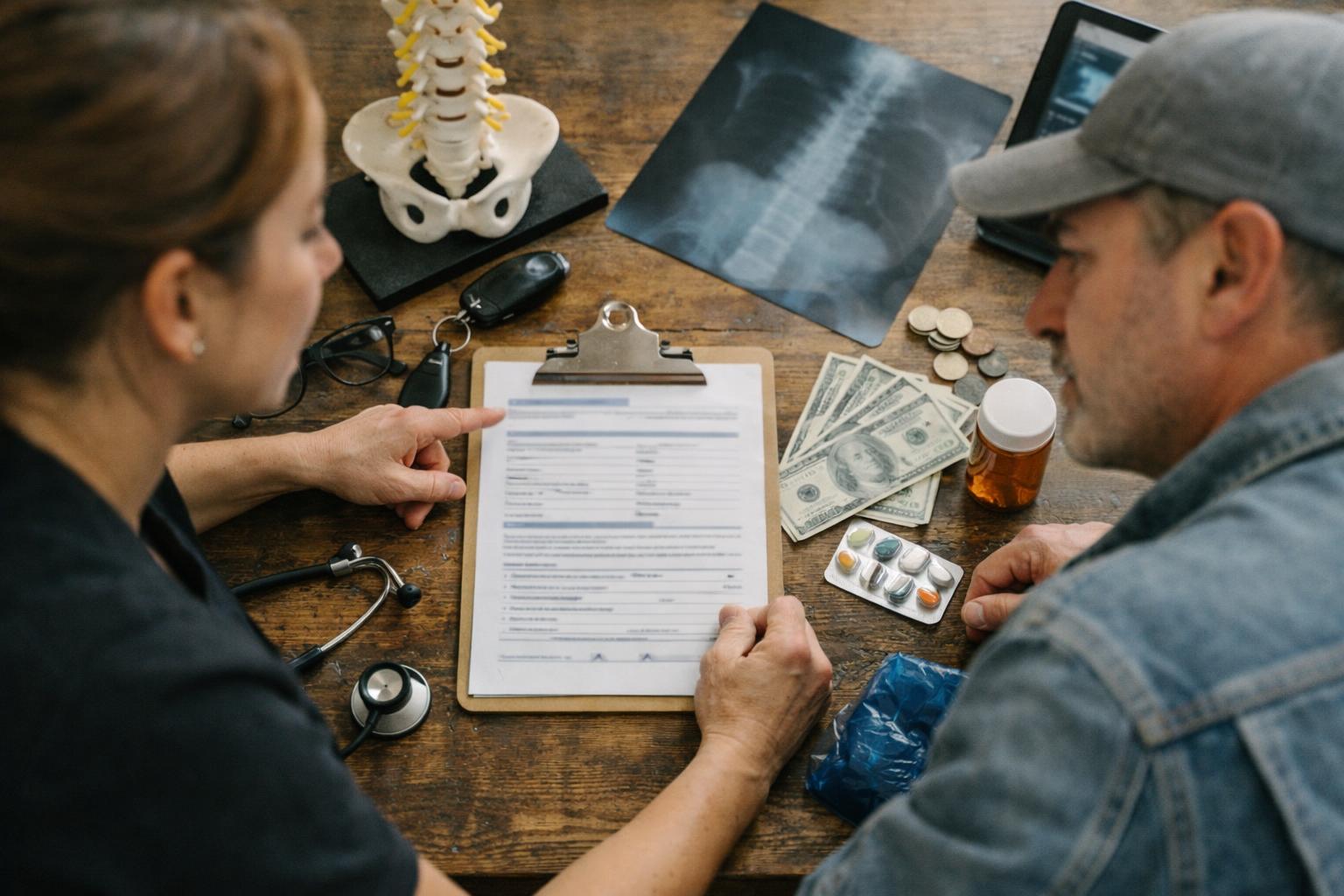
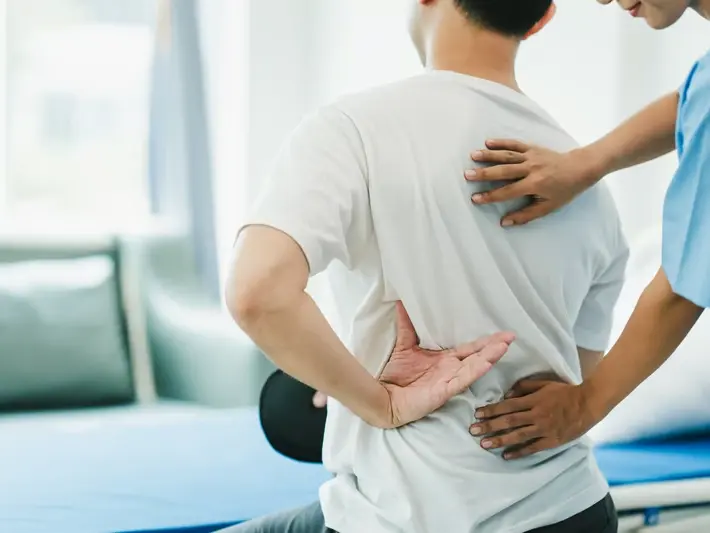
Personal Injury Protection is a type of car insurance coverage that pays for medical expenses, lost wages. And other costs after a vehicle accident, regardless of who caused the crash. It's often called 'no-fault' insurance because it covers the policyholder and passengers without needing to determine fault first.
Category
Auto insurance coverage
Used for
Medical bills, lost wages. And related costs after a car accident
Common confusion
Often mistaken for liability insurance, which only covers others’ injuries
Also called
PIP, No-fault insurance
Often discussed with
Car Accident Injury Treatment, Whiplash Injury Treatment

Personal Injury Protection, often shortened to PIP, is a part of car insurance that helps pay for medical care, lost wages. And other costs after a vehicle accident. Unlike traditional liability insurance, which only covers injuries to other people when the policyholder is at fault, PIP covers the policyholder and their passengers no matter who caused the crash. That means why it's called 'no-fault' insurance. PIP is designed to provide quick access to funds for medical treatment. So policyholders don't have to wait for a legal determination of fault before getting care.
Related glossary terms: Workers Compensation, Herniated Disc, Chiropractic Care.
PIP coverage varies by state. Some states require drivers to carry PIP. While others make it optional. Even in states where it is optional, drivers may choose to add PIP to their policy for extra protection. Coverage limits and what is included can also differ. For example, some PIP policies cover medical expenses, rehabilitation costs, funeral expenses. And even services like childcare if the injured person can't perform daily tasks. Other policies may only cover medical bills and lost wages.
When an accident happens, the policyholder or their passengers file a claim with their own insurance company under their PIP coverage. The insurance company then reviews the claim and pays for covered expenses up to the policy limit. This process is usually faster than waiting for a liability claim to be settled, which can take months or even years if fault is disputed. PIP benefits are paid out regardless of who caused the accident. So policyholders can focus on recovery instead of legal battles.
PIP policies typically have a per-person limit, which is the maximum amount the insurance company will pay for one person’s expenses. For example, if the PIP limit is ,000 and a passenger has ,000 in medical bills, the insurance company will only pay ,000. The remaining ,000 may be covered by health insurance or paid out of pocket. Some states also have a deductible, which is the amount the policyholder must pay before PIP coverage kicks in. Deductibles can range from PIP coverage often includes a wide range of services. These may include ambulance rides, hospital stays, surgery, chiropractic care, physical therapy. And even mental health counseling. It can also cover lost wages if the injured person cannot work due to their injuries. Some policies even pay for services like house cleaning or transportation if the injured person cannot perform these tasks. But not all policies cover the same services. So The key thing is to read the policy details carefully. Personal Injury Protection matters because it provides financial protection after a car accident, especially in situations where health insurance may not cover all costs or may have high deductibles. For example, if a policyholder has a ,000 deductible on their health insurance, they would need to pay that amount out of pocket before their health insurance starts covering medical bills. With PIP, the policyholder may not have to pay anything out of pocket, depending on the policy’s deductible. This can help avoid financial stress during recovery. PIP also matters because it covers more than just medical bills. Lost wages, funeral expenses. And other costs can add up quickly after an accident. Without PIP, injured individuals might struggle to pay for these expenses while waiting for a liability claim to be resolved. PIP provides a safety net, ensuring that injured individuals and their families can focus on healing instead of worrying about money. Personal Injury Protection matters most in situations where injuries from a car accident require immediate medical attention. For example, if someone is injured in a crash and needs surgery, chiropractic care. Or physical therapy, PIP can help cover these costs right away. It also matters in states where health insurance doesn't cover car accident injuries or where health insurance has high deductibles. In these cases, PIP can fill the gap and prevent financial hardship. PIP is also important for passengers who may not have their own health insurance. If a passenger is injured in a crash, they can use the driver’s PIP coverage to pay for their medical bills. This is especially helpful for families, friends. Or rideshare passengers who may not have other coverage options. And PIP matters in states with no-fault insurance laws, where drivers are required to carry PIP to ensure quick access to medical care after an accident. For chiropractic care specifically, PIP can be valuable because it often covers alternative treatments that health insurance may not. Many PIP policies include chiropractic adjustments, massage therapy. And other non-surgical treatments as covered services. This makes PIP a useful option for individuals who prefer conservative care for injuries like whiplash or back pain.Why Personal Injury Protection Matters?

When Personal Injury Protection Matters Most?
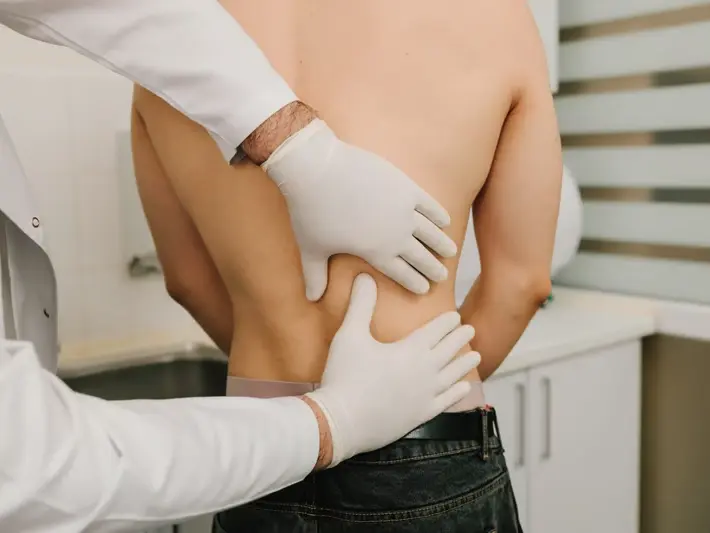
Liability insurance only covers injuries to others when the policyholder is at fault. While Personal Injury Protection covers the policyholder and passengers regardless of fault.
Health insurance covers medical expenses for illnesses and injuries. But it may not cover car accident injuries or may have high deductibles. Personal Injury Protection is specifically for car accidents and often has lower out-of-pocket costs.
Medical Payments coverage. Or MedPay, is similar to PIP but usually only covers medical expenses. PIP often includes additional benefits like lost wages and funeral expenses.
Personal Injury Protection is especially valuable in states with high health insurance deductibles or limited coverage for car accident injuries. Even if PIP is optional, adding it to your policy can provide faster access to funds and broader coverage for services like chiropractic care.
After a rear-end collision, Sarah suffered whiplash and needed chiropractic adjustments. Her health insurance had a ,000 deductible. But her Personal Injury Protection coverage paid for her treatments without requiring her to pay out of pocket. PIP also covered her lost wages while she recovered.
Workers Compensation is a state-mandated insurance program that provides medical benefits and wage replacement to employees who suffer job-related injuries or illnesses. Workers Compensation ensures injured workers receive prompt treatment and financial support while protecting employers from lawsuits related to workplace accidents.
Herniated Disc is a spinal condition where the soft inner gel of a spinal disc leaks through a tear in the disc’s tough outer layer. This leakage can press on nearby nerves, causing pain, numbness. Or weakness in the back, neck, arms. Or legs. Herniated discs often result from aging, injury.
Chiropractic Care is a health care profession focused on diagnosing and treating musculoskeletal disorders, primarily those related to the spine, without surgery or prescription drugs. Chiropractic Care uses hands-on spinal manipulation and other alternative treatments to align the body’s musculoskeletal structure, particularly the spine, to enable the body to heal itself. This approach aims to relieve pain, improve function. And support the body’s natural ability to recover from injuries or conditions affecting bones, joints, muscles. And nerves.
Advanced Injury Care Clinic
Contact Advanced Injury Care Clinic for practical guidance on Personal Injury Protection and related chiropractor work in Nashville.