Understanding Workers Compensation
Workers Compensation helps workers and bosses. It protects them when accidents happen at work.
Related glossary terms: Soft Tissue Injury, Spinal Manipulation, Chiropractic Care.
It's a no-fault system. Workers don't have to prove their boss was careless. They still get help.
Bosses get protection too. Workers can't sue them most times. This keeps things fair.
The program pays for doctor visits. It covers rehab (help to get better). It also gives some lost pay.
Each state runs its own program. Rules and pay amounts change by state. So does how to ask for help.
Most workers can get this help. Full-time, part-time. And seasonal workers count. Some jobs don't, like farm work.
Coverage starts on day one. Workers must report injuries fast. Often, they have 30 days to tell their boss.
Common injuries include back strains. They also cover hurts from doing the same task too much. Falls and broken bones count too.
It covers sickness from work dangers. Car crashes on the job count too. The worker must be doing their job then.
How Workers Compensation Works?
The worker tells their boss about the hurt. The boss gives forms to fill out. They also tell their insurance company.
A doctor checks the worker. This doctor is often picked by the boss. They decide what treatment the worker needs.
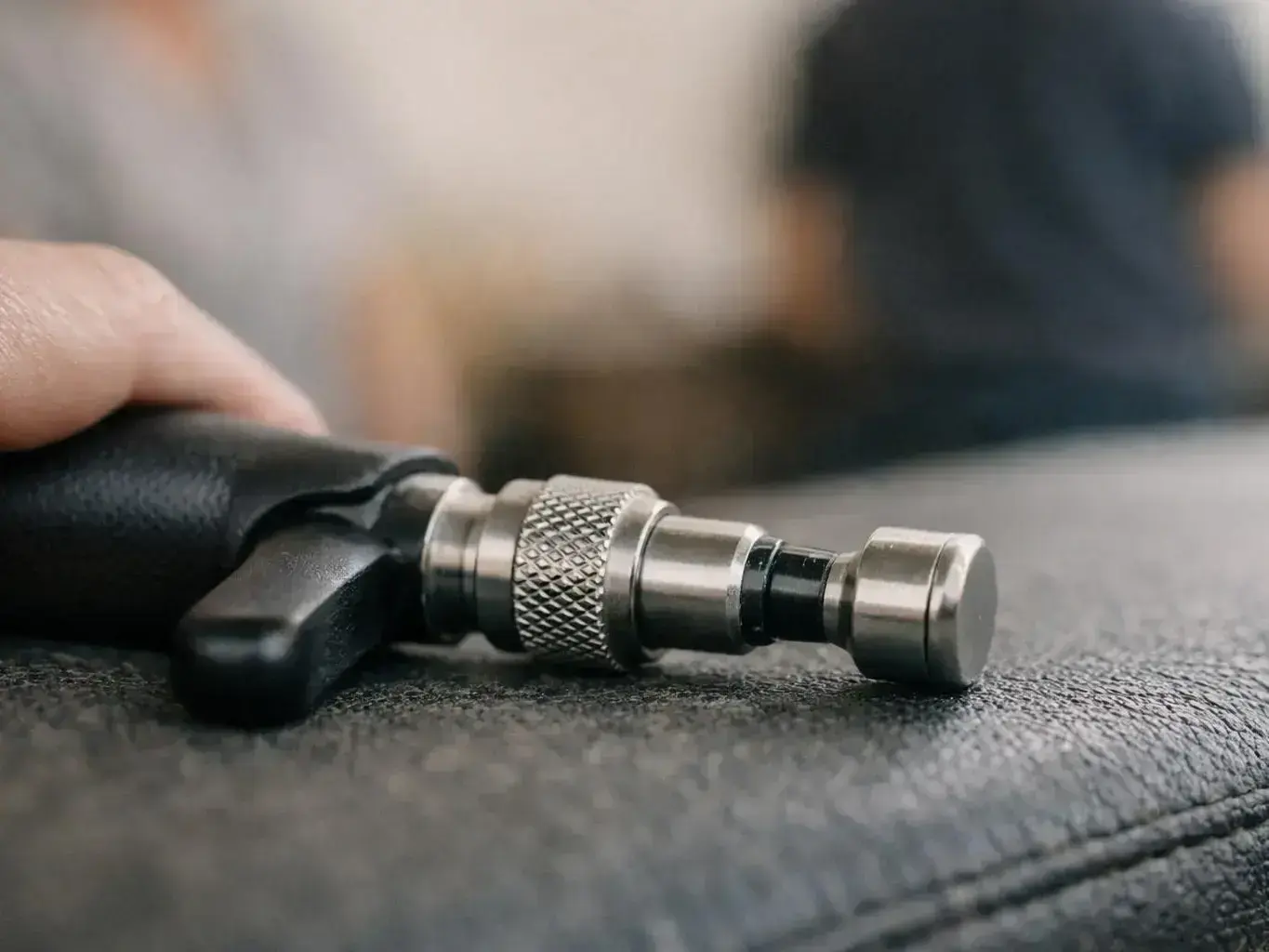
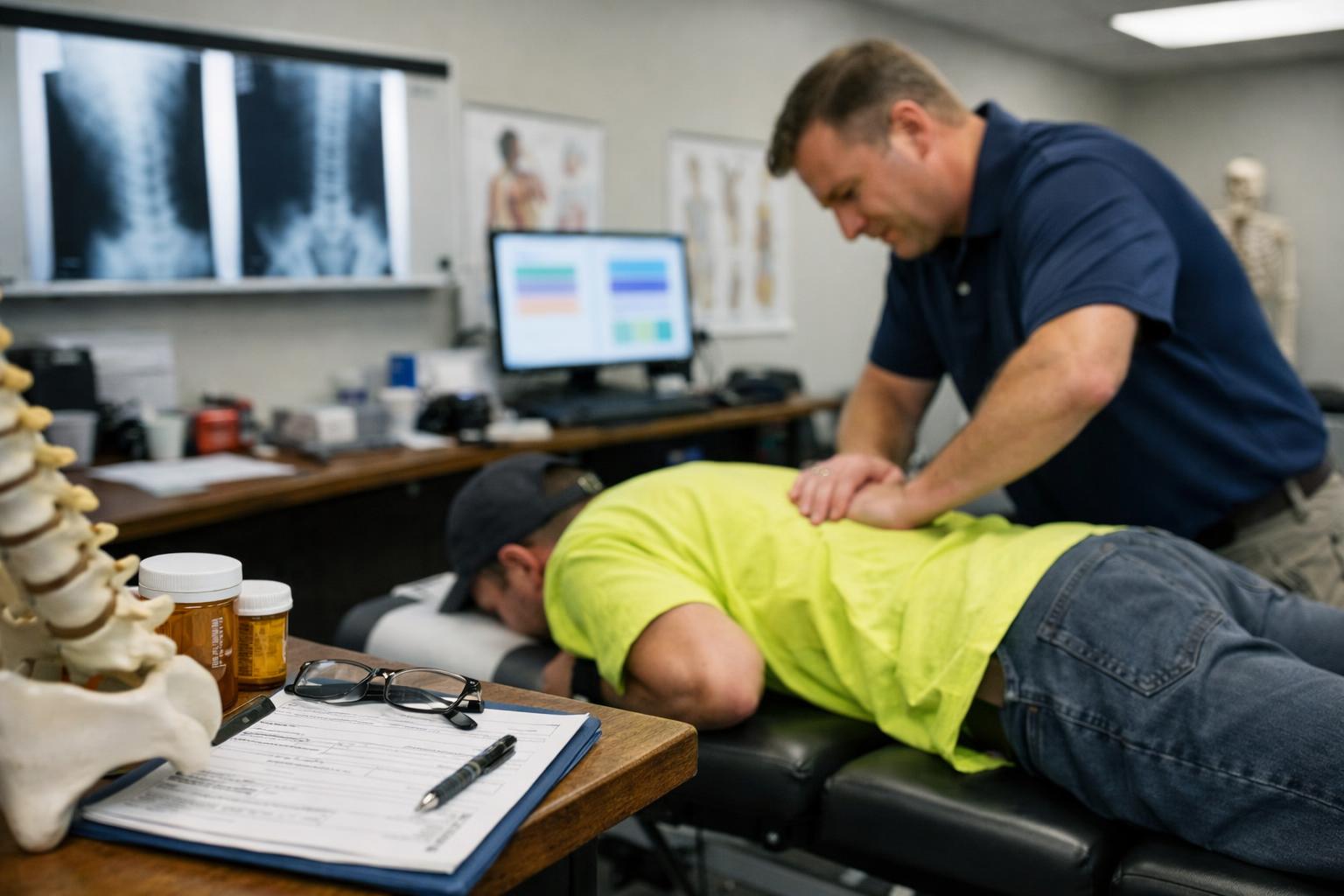
Chiropractic care (back and joint treatment) is often covered. It helps with back pain and sprains.
If the claim is okayed, the insurance pays. They pay doctors right away. If the worker misses work, they get some pay too.
This pay is usually two-thirds of their normal pay. It helps while they get better.
Sometimes, bosses say no to claims. They might say the hurt wasn't at work. Or the worker waited too long to tell them.
Workers can fight this. They ask for a hearing. A judge (a person who decides) listens to both sides.
Bosses must keep good records. They write down injuries and claims. They also write down safety steps they take.
This keeps them out of trouble. Safety training helps too. It keeps workers safe and costs down.
Why Workers Compensation Matters?

Workers get help with money. They don't worry about doctor bills. They can focus on getting better.
Without this, workers might struggle. They could go back to work too soon. That might hurt them more.
Bosses also win. They don't get sued much. Workers get care fast. This keeps the team strong.
Fewer injuries mean lower costs. This helps bosses save money. It also keeps work going smoothly.
This program helps everyone. It keeps people off public help. Workers get care and some pay.
They don't need unemployment or Medicaid. This saves money for all of us.
The system is fair. It helps workers and bosses. It keeps workplaces safe and running well.
When Workers Compensation Matters Most?
Workers Compensation helps right after a hurt. Workers should tell their boss fast. Even small hurts matter.
Waiting can cause problems. The boss might say no to help. Workers must act quickly.
It helps during long recoveries too. After surgery, workers need care. They also need some pay while healing.
Bosses must file papers fast. They can't wait. This keeps workers from waiting too long.
It matters at other times too. When bosses check insurance, claims affect costs. More claims mean higher costs.
Fewer injuries keep costs down. Safety programs help a lot. They keep workers safe and save money.
When workers go back, help still matters. They might need lighter tasks. This keeps them from getting hurt again.
In Nashville, TN, chiropractors help a lot. They help workers get better. They help them go back to work safely.