Understanding Chiropractic Activator

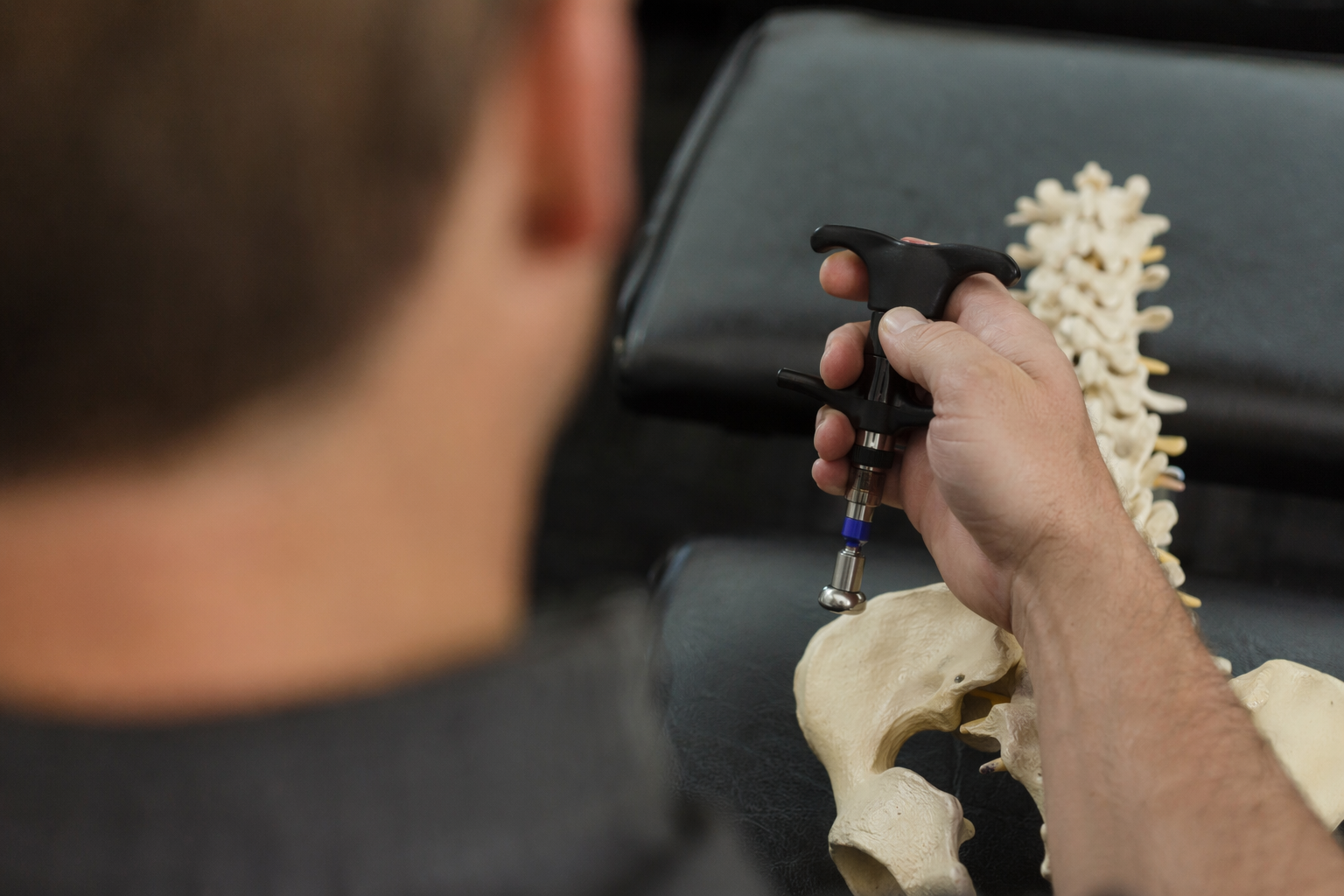
Chiropractic Activator is a specialized tool designed to assist chiropractors in performing adjustments with precision and minimal force. Unlike traditional manual adjustments, which may involve twisting, popping. Or thrusting motions, the Activator delivers a quick, controlled impulse to a specific joint or vertebra. This makes it an alternative for patients who are uncomfortable with or unable to receive high-velocity, low-amplitude (HVLA) adjustments, such as elderly individuals, children. Or those with conditions like osteoporosis or severe pain.
Related glossary terms: Chiropractic Adjustment, Diversified Technique, Gonstead Technique.
The Activator instrument itself is small, handheld. And spring-loaded. When pressed against the skin over a joint, it releases a calibrated force that mimics the speed and direction of a manual adjustment but with significantly less pressure. Chiropractors often use Activators to target areas like the spine, ribs, shoulders, knees. Or ankles, depending on the patient’s needs. The tool is particularly useful for addressing misalignments in delicate or sensitive areas where manual manipulation might be less comfortable.
How Chiropractic Activator Works?
The Chiropractic Activator operates on a simple but effective mechanical principle. The device contains a spring mechanism that, when triggered, produces a rapid, short-duration impulse. This impulse is directed at a specific joint or vertebra, helping to restore proper motion and alignment. The force delivered by the Activator is measured and consistent, which allows chiropractors to tailor the adjustment to the patient’s condition and comfort level.
Before using the Activator, chiropractors perform a thorough assessment, which may include palpation, range-of-motion tests. Or diagnostic imaging. This helps them identify the exact location and nature of the misalignment. Once the target area is determined, the chiropractor positions the Activator against the skin and triggers the impulse. The process is quick and typically painless. Though some patients may feel a mild sensation of pressure or movement in the joint. Multiple impulses may be applied during a single session, depending on the patient’s response and the complexity of the issue.
A common issue is The Activator is often used in conjunction with other chiropractic techniques, such as manual adjustments, soft tissue therapy. Or rehabilitative exercises. For example, a chiropractor might use the Activator to address a misaligned vertebra in the neck, followed by gentle stretching or massage to relieve surrounding muscle tension. This combination approach can boost the effectiveness of the adjustment and promote longer-lasting relief.
Why Chiropractic Activator Matters?
Chiropractic Activator plays an important role in making chiropractic care accessible to a broader range of patients. Traditional manual adjustments. While effective for many people, can be intimidating or uncomfortable for those with acute pain, osteoporosis. Or a fear of cracking sounds. The Activator offers a gentler alternative that still addresses the underlying issue—restoring proper joint function and reducing discomfort. This can be particularly valuable for patients recovering from injuries, managing chronic conditions. Or seeking preventive care.
Another key benefit of the Activator is its precision. Because the tool delivers a targeted impulse, chiropractors can focus on specific joints or vertebrae without affecting surrounding areas. This reduces the risk of unintended strain or discomfort, which can sometimes occur with manual adjustments. And the Activator’s low-force approach makes it a safer option for patients with fragile bones or conditions that limit their ability to tolerate traditional techniques. For these reasons, the Activator is often recommended for pediatric patients, elderly individuals. And those with complex medical histories.
When Chiropractic Activator Matters Most?
Chiropractic Activator is particularly valuable in situations where traditional manual adjustments may not be ideal. For example, patients with osteoporosis, spinal fractures. Or severe arthritis may benefit from the Activator’s low-force approach, as it reduces the risk of further injury. Similarly, individuals recovering from surgery, whiplash. Or other traumatic injuries often find Activator adjustments more comfortable than manual techniques, especially in the early stages of healing.
The Activator is also useful for patients who experience anxiety or discomfort with the sounds or sensations associated with manual adjustments. Because the tool produces no cracking or popping, it can be a more approachable option for children, first-time chiropractic patients. Or individuals with sensory sensitivities. And chiropractors may use the Activator to address misalignments in smaller or harder-to-reach joints, such as those in the hands, feet. Or ribs, where manual adjustments can be challenging to perform effectively.
In clinical settings, chiropractors may choose the Activator based on the patient’s preferences, medical history. Or response to previous treatments. For instance, if a patient reports discomfort or minimal improvement after manual adjustments, the Activator can serve as an alternative method to achieve the same therapeutic goals. It's also commonly used in conjunction with other therapies, such as decompression therapy or rehabilitative exercises, to boost overall treatment outcomes.