Glossary

What is Spinal Manipulation?

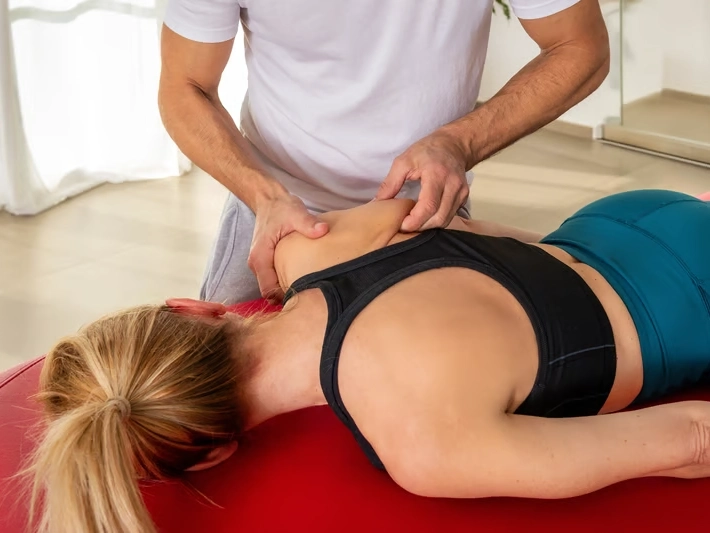
Spinal Manipulation is a hands-on therapy technique where a trained healthcare provider applies controlled force to a specific joint in the spine. This force helps improve spinal motion, reduce pain. And restore function by addressing stiffness or misalignment. It's commonly used by chiropractors, osteopaths. And physical therapists to treat back, neck. And joint issues.

Reviewed by ChiropractorNashville.linkSources reviewed: National Center for Complementary and Integrative Health (NCCIH), American Chiropractic Association

Quick Facts About Spinal Manipulation

Category

Manual therapy technique

Used for

Back pain, neck pain, joint stiffness, headaches

Common confusion

Mistaken for self-cracking the spine, which can be unsafe

Also called

Spinal Adjustment, High-Velocity Low-Amplitude (HVLA) Thrust

Often discussed with

Neck Pain Treatment, Back Pain Treatment

Key Takeaways About Spinal Manipulation

Understanding Spinal Manipulation

Spinal Manipulation in Chiropractor: Spinal Manipulation is a hands-on therapy technique where a trained healthcare provid...

Spinal Manipulation is a therapeutic procedure used to treat musculoskeletal conditions, particularly those affecting the spine. The technique involves applying a sudden, controlled force to a joint in the spine, often resulting in a popping or cracking sound. This sound, called cavitation, occurs when gas bubbles in the joint fluid are released. While the sound can be surprising, it's not necessary for the treatment to be effective.

Related glossary terms: Chiropractic Adjustment, Diversified Technique, Motion Palpation.

The goal of Spinal Manipulation is to restore proper movement to the spine, reduce pain. And improve overall function. It is based on the idea that restricted spinal movement can lead to pain, inflammation. And reduced range of motion. By applying precise force to the affected joint, the provider aims to restore alignment and mobility, allowing the body to heal naturally. This technique is often used alongside other therapies, such as exercise, stretching. Or soft tissue work, for full care.

How Spinal Manipulation Works?

Spinal Manipulation works by targeting specific joints in the spine that are not moving correctly. When a joint is restricted, it can cause pain, stiffness. And even referred pain in other areas of the body. For example, a misaligned joint in the neck might contribute to headaches or shoulder pain. The provider uses their hands or a specialized tool to apply a quick, controlled thrust to the joint, which helps restore its normal range of motion.

The force applied during Spinal Manipulation is carefully calculated to avoid injury. Providers are trained to assess the spine and determine which joints need adjustment. They may also use gentle techniques to prepare the surrounding muscles and ligaments before applying the thrust. The procedure is generally painless. Though some patients may feel mild discomfort or soreness afterward, similar to what they might experience after a workout.

Spinal Manipulation is not a one-size-fits-all approach. Different techniques may be used depending on the patient's condition, age. And overall health. For instance, older adults or those with certain medical conditions may require gentler methods. The provider will tailor the treatment to the individual's needs, ensuring safety and effectiveness.

Why Spinal Manipulation Matters?

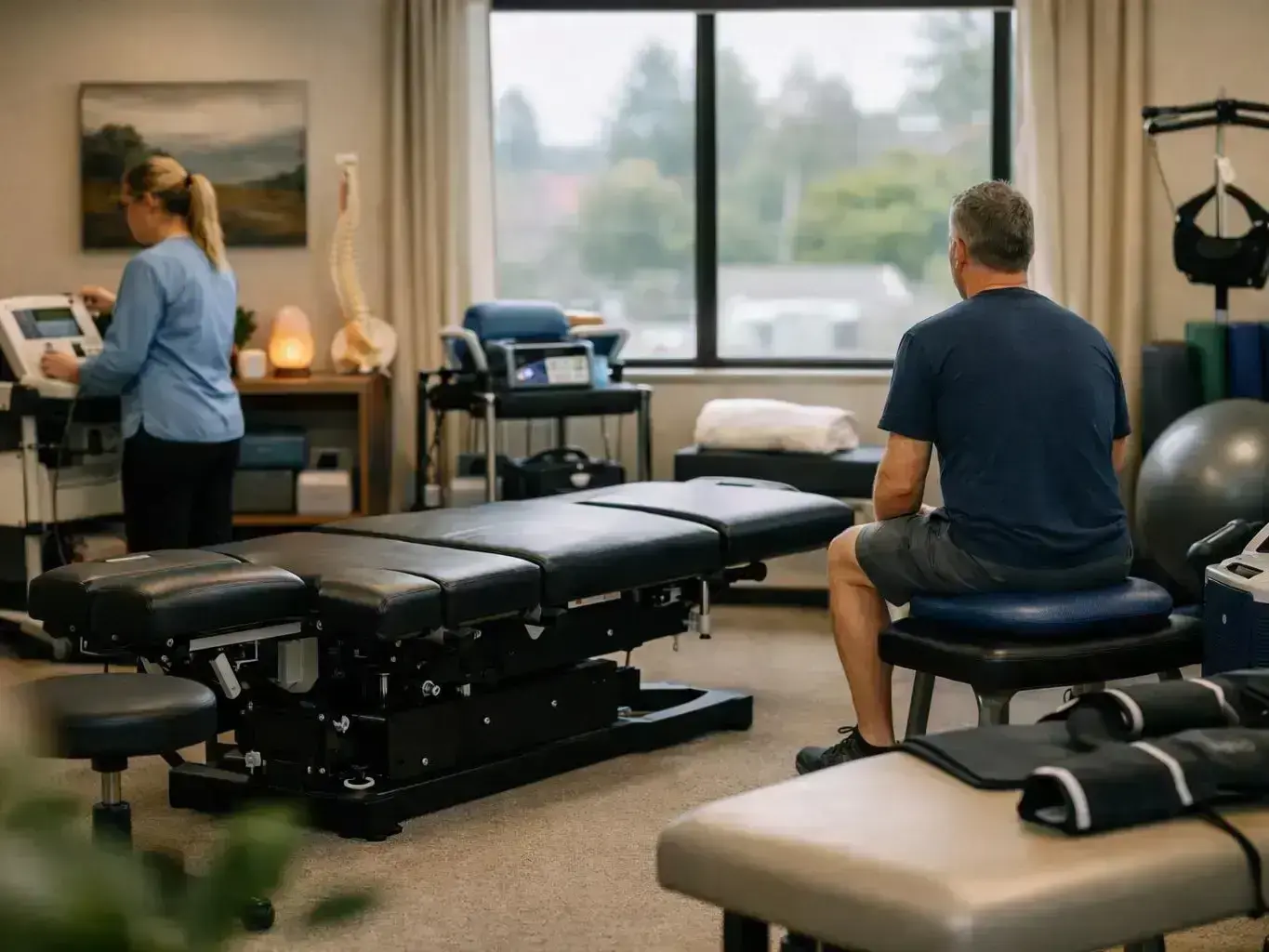
How Spinal Manipulation applies to Chiropractor services in Nashville, United States—practical illustration

Spinal Manipulation matters because it offers a non-invasive, drug-free way to address pain and mobility issues in the spine. Many people turn to this therapy when other treatments, like medication or rest, have not provided relief. It can be particularly helpful for conditions like chronic back pain, neck stiffness. Or headaches caused by tension in the spine. By restoring proper movement to the joints, Spinal Manipulation helps reduce pain and improve quality of life without the need for surgery or long-term medication use.

Another reason Spinal Manipulation is valuable is its ability to complement other treatments. For example, it can be combined with physical therapy exercises to strengthen muscles and prevent future injuries. It may also be used alongside massage or stretching to relax tight muscles and improve flexibility. This complete approach can lead to faster recovery and better long-term outcomes for patients dealing with spinal issues.

When Spinal Manipulation Matters Most?

Spinal Manipulation is most beneficial for individuals experiencing acute or chronic pain related to spinal dysfunction. Common situations where it may be helpful include:

  • After an injury, such as a car accident or fall, that causes back or neck pain.
  • For chronic conditions like sciatica, where nerve pain radiates from the lower back down the leg.
  • When stiffness or limited mobility in the spine interferes with daily activities, such as sitting, standing. Or exercising.
  • For headaches or migraines that may be linked to tension or misalignment in the neck.

It is also useful for athletes or active individuals who want to maintain spinal health and prevent injuries. Regular Spinal Manipulation can help keep the spine flexible and reduce the risk of strains or sprains during physical activity. But Spinal Manipulation is not suitable for everyone. People with certain conditions, such as severe osteoporosis, spinal cord compression. Or inflammatory arthritis, may need to avoid this therapy or use modified techniques. Always consult a qualified healthcare provider to determine if Spinal Manipulation is right for you.

How to Evaluate Spinal Manipulation?

Related Concepts Compared

Spinal Manipulation vs. Chiropractic Adjustment

Chiropractic Adjustment is a type of Spinal Manipulation performed specifically by chiropractors, often focusing on correcting spinal misalignments called subluxations.

Spinal Manipulation vs. Spinal Mobilization

Spinal Mobilization uses slower, gentler movements to stretch the spine. While Spinal Manipulation involves quicker, controlled thrusts.

Spinal Manipulation vs. Massage Therapy

Massage Therapy targets muscles and soft tissues. While Spinal Manipulation focuses on adjusting the joints of the spine.

Expert Note

Spinal Manipulation is most effective when combined with other therapies, such as exercise and posture correction. A single adjustment rarely resolves chronic issues—consistent care and lifestyle changes are key to long-term relief.

Common Mistakes or Myths About Spinal Manipulation

  • Assuming Spinal Manipulation is the same as cracking your own back, which can be unsafe and ineffective.
  • Expecting immediate, permanent relief after one session—most conditions require multiple visits.
  • Choosing a provider without verifying their license or training in Spinal Manipulation.
  • Ignoring other therapies, like exercise or posture correction, that support long-term results.

Spinal Manipulation in Practice: A Real-World Example

After a car accident, a patient in Nashville visits a chiropractor for persistent neck pain. The chiropractor performs Spinal Manipulation to restore movement to stiff joints in the cervical spine. The patient feels immediate relief and continues with follow-up visits to strengthen supporting muscles and prevent future discomfort.

Related Services

Related Terms

Chiropractic Adjustment

Chiropractic Adjustment is a precise, hands-on procedure performed by a licensed Doctor of Chiropractic to correct misalignments in the spine or other joints. These adjustments aim to restore proper movement, reduce nerve irritation. And support the body’s natural healing ability. The process typically involves controlled force applied to specific areas, often producing a popping sound caused by gas releasing from the joint.

Diversified Technique

Diversified Technique is a widely used chiropractic method that involves hands-on spinal adjustments to restore proper joint function and alignment. Chiropractors apply precise, high-velocity, low-amplitude thrusts to specific vertebrae, often producing a popping sound known as a cavitation. This technique aims to reduce pain, improve mobility.

Motion Palpation

Motion Palpation is a hands-on diagnostic technique chiropractors use to assess joint movement and identify restrictions or dysfunctions in the spine and other joints. By gently moving joints through their natural range of motion, practitioners detect abnormal movement patterns, stiffness. Or pain that may indicate underlying issues requiring chiropractic care.

Cervical spine

Cervical spine is the uppermost section of the vertebral column, consisting of seven vertebrae labeled C1 to C7, which support the skull, protect the spinal cord. And enable neck movement. These vertebrae are smaller and more flexible than those in other spinal regions, allowing for a wide range of motion such as turning, tilting.

ChiropractorNashville.link

Have Questions About Spinal Manipulation?

Contact ChiropractorNashville.link for practical guidance on Spinal Manipulation and related chiropractor work in Nashville.

+1 615-777-0624