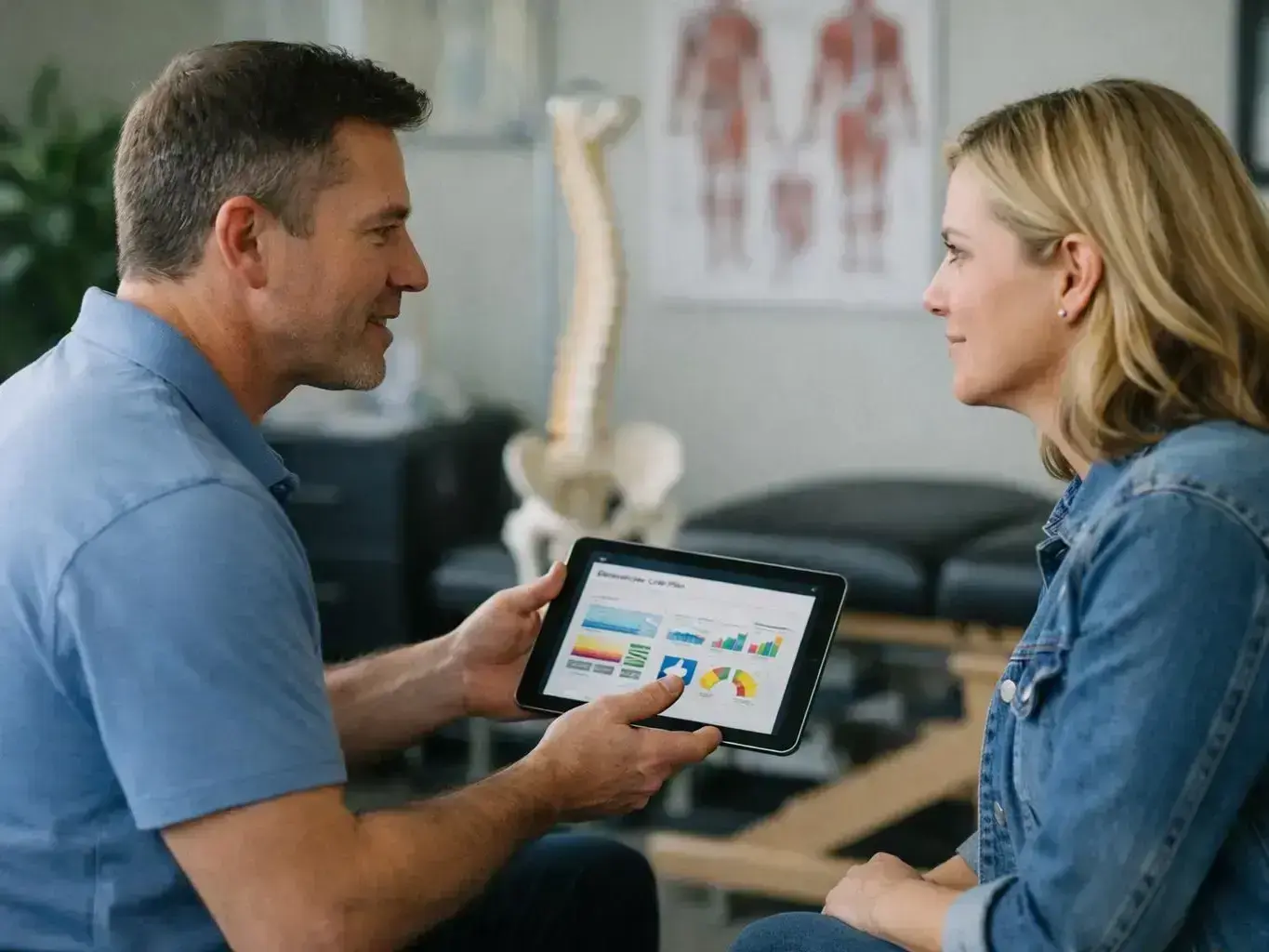
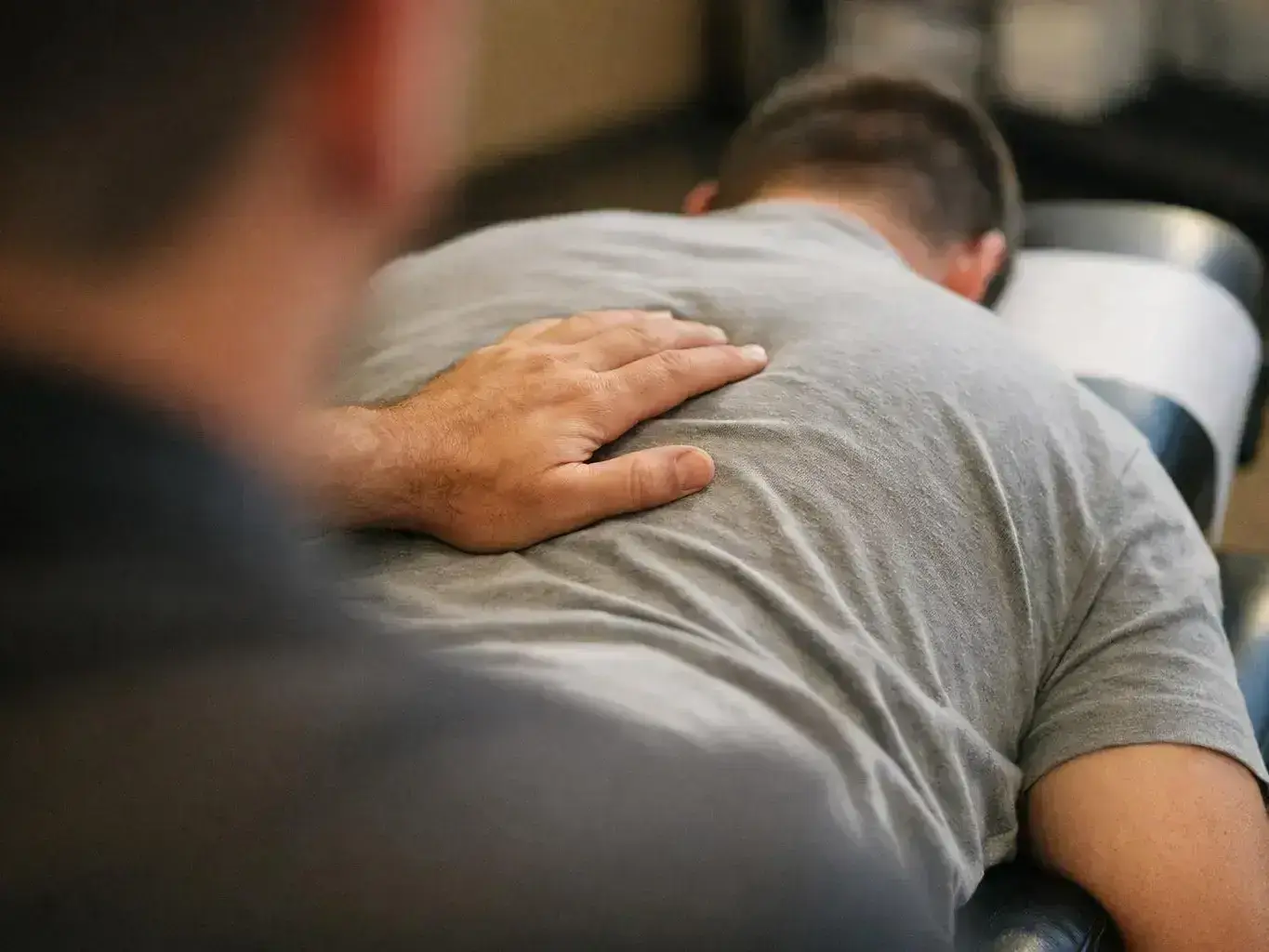
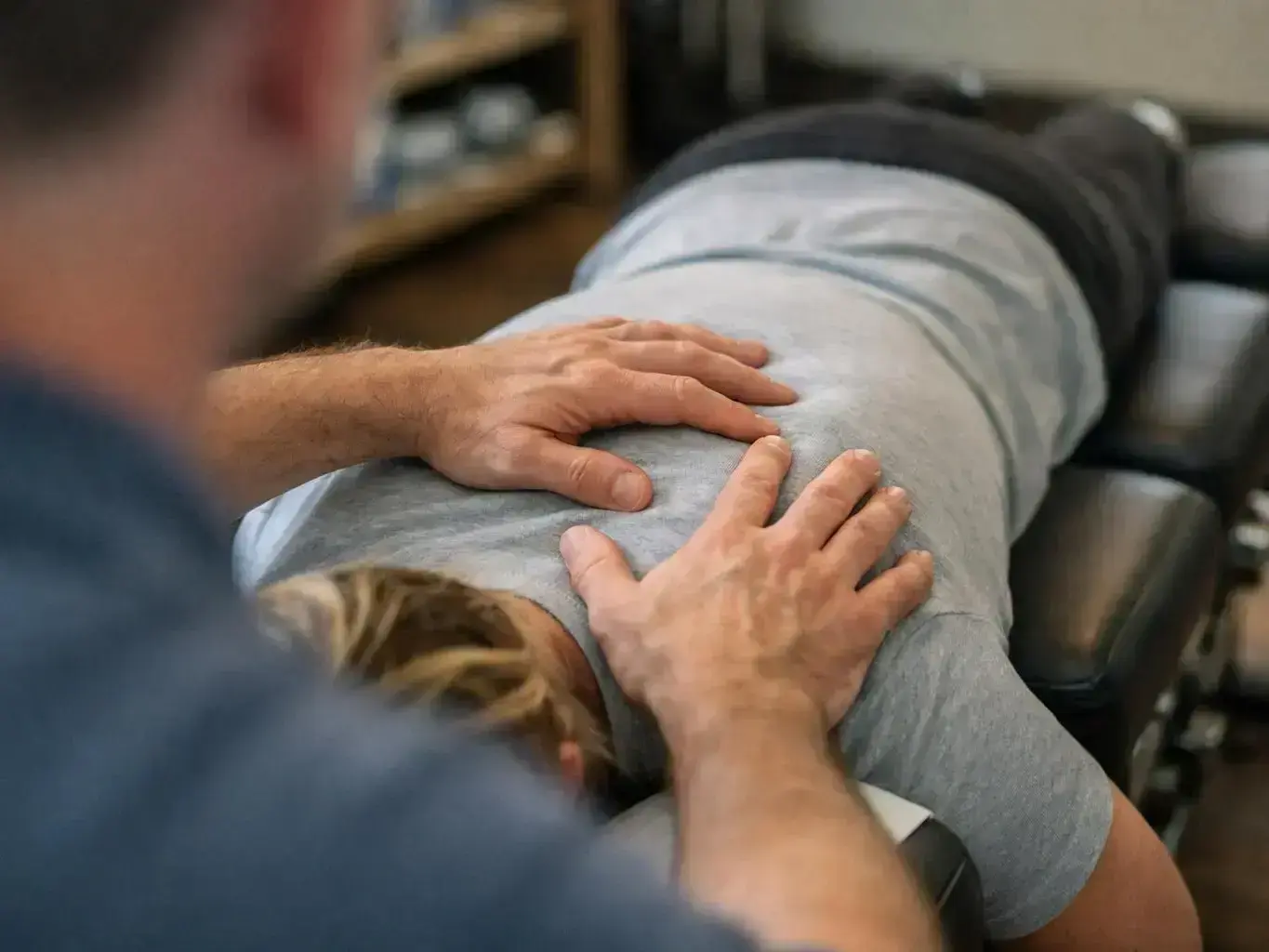
Electrodiagnosis is a medical testing method that uses electrical signals to check how well nerves and muscles are working. It helps doctors find problems like nerve damage, muscle disorders. Or pinched nerves by measuring electrical activity in the body. These tests are often used when patients have pain, weakness. Or numbness.
Category
Diagnostic testing
Used for
Nerve damage, muscle disorders, radiculopathy
Common confusion
Often mistaken for MRI or X-ray. But measures electrical activity instead of images
Also called
Nerve Conduction Study, EMG
Often discussed with
Car Accident Injury Treatment, Work Injury Treatment

Electrodiagnosis tests check nerves and muscles. They measure electrical activity. This helps doctors find problems.
Related glossary terms: Chiropractic Care, Diagnostic Imaging, Soft Tissue Therapy.
These tests show why you might feel pain. They also show weakness or numbness. X-rays and MRIs show bones and tissues. But electrodiagnosis shows how nerves and muscles work.
It helps with conditions like carpal tunnel. It also helps with sciatica or muscle diseases.
Small electrical signals go through nerves. The test records the response. It shows if a nerve is damaged or pinched.
It can also show if a muscle works right. These tests happen in a clinic. They take 30 to 60 minutes. They don't need cuts or surgery. They don't use radiation.
Electrodiagnosis has two main tests. One is nerve conduction studies. The other is electromyography (EMG).
Nerve conduction studies check signal speed. Small pads go on the skin over a nerve. A mild pulse is sent. The test records how fast and strong the nerve responds.
Slow or weak responses mean nerve damage. This can show problems like neuropathy. It can also show radiculopathy.
EMG checks muscle activity. A thin needle goes into the muscle. It records activity at rest and when moving.
Healthy muscles show certain patterns. Damaged muscles show different patterns. These tests help doctors see nerve and muscle problems.
Electrodiagnosis helps find the cause of pain. It also helps with tingling or weakness. Without these tests, doctors can't tell the cause.
For example, back pain might come from a disc. The disc might press on a nerve. Or it might come from a muscle problem. Electrodiagnosis can tell the difference.
This helps doctors choose the right treatment. The tests also show if a condition is improving.
If you're healing, the tests show it. They can tell if treatment is working. This helps decide if you need more care.
Electrodiagnosis helps with nerve or muscle problems. It's used for numbness, tingling. Or weakness.
It helps after injuries like car accidents. It also helps with chronic conditions like diabetes. Diabetes can damage nerves over time.
In Nashville, TN, these tests help a lot. Car accidents and work injuries are common. Electrodiagnosis helps chiropractors treat these issues.
Sometimes X-rays or MRIs don't explain symptoms. Electrodiagnosis can help then. It shows if a nerve is affected.
For example, an MRI might show a disc problem. But it can't tell if the disc is pressing on a nerve. Electrodiagnosis can confirm this.
It also rules out other conditions. These might need different care.
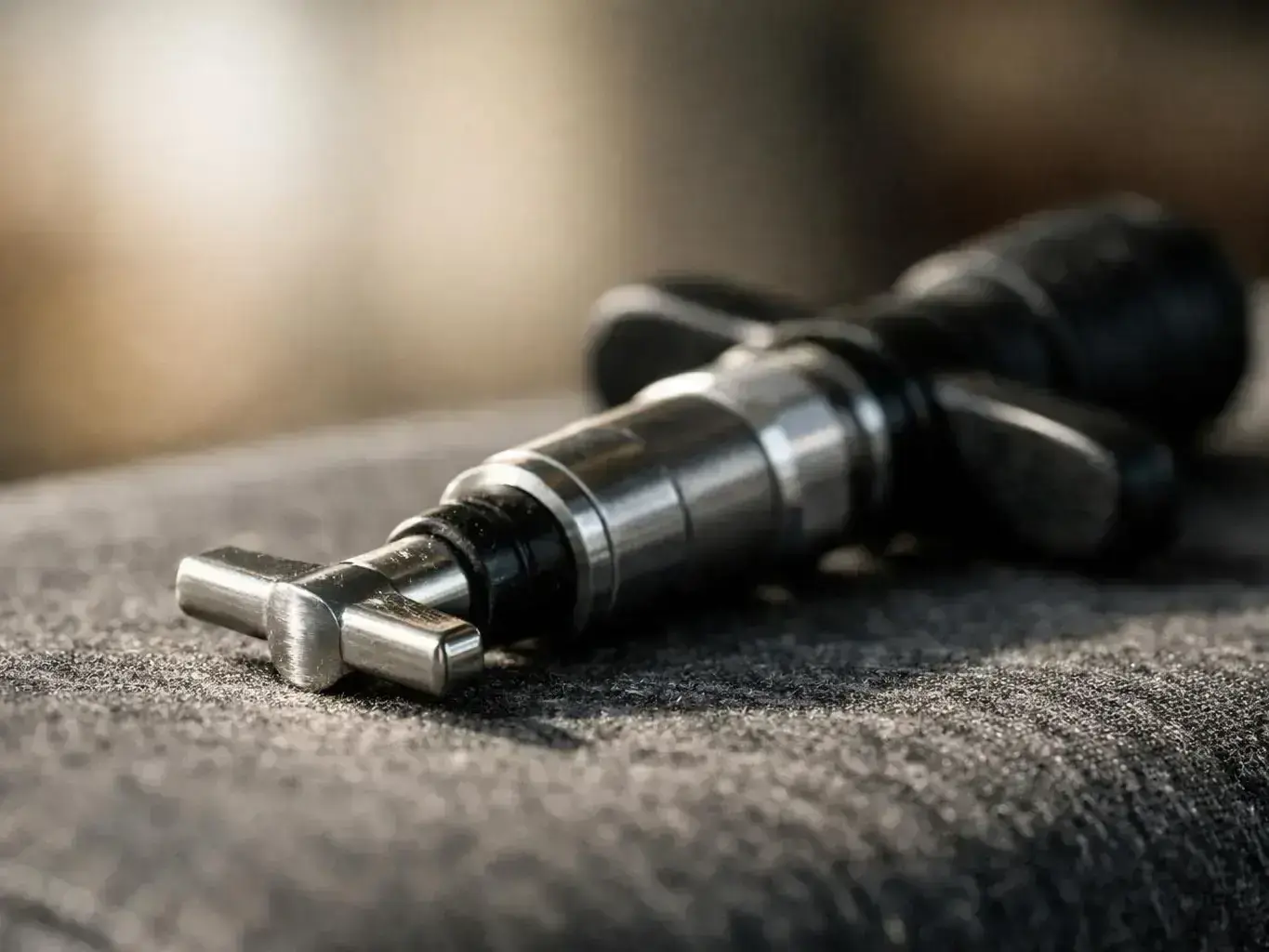
Diagnostic imaging, like X-rays or MRIs, shows the structure of bones and tissues. While electrodiagnosis measures electrical activity in nerves and muscles.
Orthopedic tests involve physical exams to check joint or muscle function. While electrodiagnosis uses electrical signals to test nerve and muscle activity.
Electrodiagnosis is not just about finding nerve damage—it can also reveal how severe the damage is and whether it is improving with treatment. This makes it a valuable tool for tracking recovery over time, especially in cases of trauma or chronic conditions.
A patient visits a chiropractor in Nashville after a car accident, complaining of numbness and weakness in their right arm. The chiropractor orders electrodiagnosis to check for nerve damage. The test shows that the median nerve, which runs through the wrist, is compressed, confirming carpal tunnel syndrome. With this information, the chiropractor creates a treatment plan that includes adjustments, soft tissue therapy. And exercises to relieve pressure on the nerve.
Chiropractic Care is a health care profession focused on diagnosing and treating musculoskeletal disorders, primarily those related to the spine, without surgery or prescription drugs. Chiropractic Care uses hands-on spinal manipulation and other alternative treatments to align the body’s musculoskeletal structure, particularly the spine, to enable the body to heal itself. This approach aims to relieve pain, improve function. And support the body’s natural ability to recover from injuries or conditions affecting bones, joints, muscles. And nerves.
Diagnostic Imaging is a set of medical techniques that create detailed pictures of the inside of the body to help doctors and chiropractors find injuries, diseases. Or other problems. These images show bones, muscles, nerves. And organs without surgery, allowing healthcare providers to plan safe and accurate treatments for pain or movement issues.
Soft Tissue Therapy is a hands-on treatment that targets muscles, tendons, ligaments. And fascia to reduce pain, improve mobility. And speed healing. Soft Tissue Therapy techniques include massage, stretching, pressure. And specialized tools to release tension, break up scar tissue.
Workers Compensation is a state-mandated insurance program that provides medical benefits and wage replacement to employees who suffer job-related injuries or illnesses. Workers Compensation ensures injured workers receive prompt treatment and financial support while protecting employers from lawsuits related to workplace accidents.
Advanced Injury Care Clinic
Contact Advanced Injury Care Clinic for practical guidance on Electrodiagnosis and related chiropractor work in Nashville.