Understanding Graston Technique
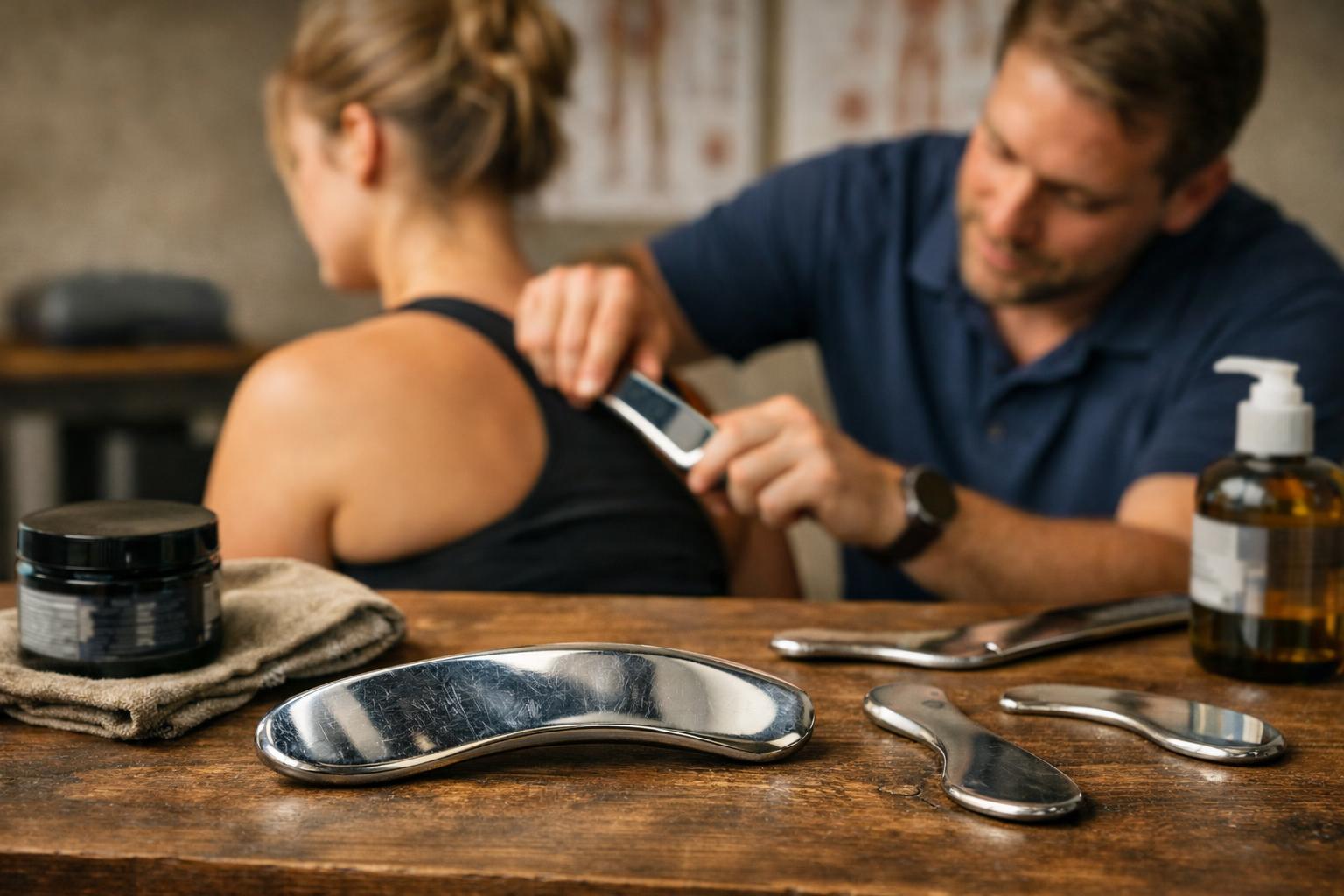
Graston Technique uses metal tools. These tools help find and treat tight spots in muscles. The spots can cause pain or limit movement.
Related glossary terms: Soft Tissue Injury, Chiropractic Care, Decompression Therapy.
The tools are made of stainless steel. They help providers find scar tissue. Scar tissue can make muscles stiff or sore.
This method is not like regular massage. Massage uses hands. Graston uses tools to target problem areas better.
It was made in the 1990s by athletes. They wanted to heal soft tissue injuries faster. Now many providers use it.
Chiropractors and physical therapists use it. So do sports medicine experts. The tools fit different body parts.
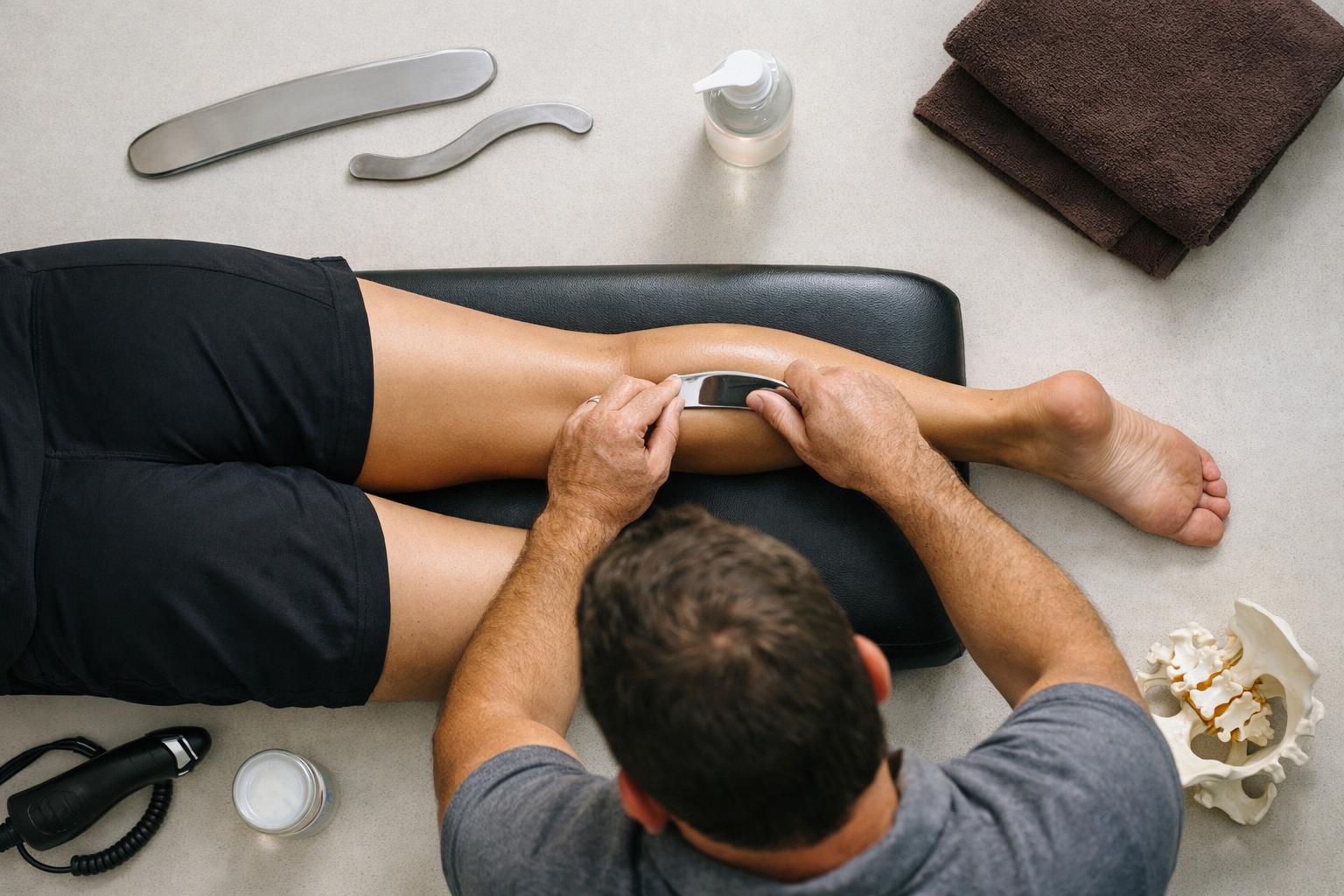
Providers press the tools on tight spots. This breaks up scar tissue. It also helps the body heal.
Patients feel pressure and scraping. It can feel strong. But most people handle it well.
How Graston Technique Works?
The provider starts by scanning the area. They use the tools to find tight spots. These spots may hurt or limit movement.
Then they use the tool to break up scar tissue. Scar tissue can form after injuries. Breaking it up helps muscles move better.
After treatment, providers suggest stretches. They may also suggest exercises. These help the body heal.
Graston does not replace other treatments. It works with them. For example, a chiropractor may use it before an adjustment.
This helps the adjustment last longer. It also reduces pain. The tools come in different shapes and sizes.
Some tools work on big muscles. Others work on small areas like wrists. This helps treat many body parts.
The goal is to help the body heal. The tools create tiny injuries. This starts the healing process.
Blood flow increases to the area. This brings nutrients. It helps repair the tissue.
Scar tissue can form messy after injuries. Graston helps it form neatly. This matches the body’s natural movement.
Why Graston Technique Matters?
Graston matters because tight spots cause pain. They can also limit movement. This can lead to long-term problems.
Scar tissue forms after injuries. It can also form after surgery. Even too much use can cause it.
Breaking up scar tissue helps. It lets patients move better. They can return to sports or daily tasks.
It helps athletes recover fast. It also helps active people. They can get back to what they love.
Graston treats the real cause of pain. It does not just hide symptoms. For example, shoulder pain may come from tight muscles.
Graston can target those muscles. It improves movement. It also reduces pain better than just rest.
This makes it good for new injuries. It also helps with long-term problems. It works well with other treatments.
When Graston Technique Matters Most?
Graston helps with soft tissue injuries. These can cause pain or stiffness. They can also limit movement.
It works for tendonitis. Tennis elbow is one example. So is Achilles tendonitis.
It also helps with muscle strains. Plantar fasciitis is another condition. It treats scar tissue after surgery too.
People with carpal tunnel may find relief. It also helps with it band syndrome. These conditions cause ongoing pain.
Patients often try Graston after rest fails. So do those who tried medicine. For example, a hamstring strain may not heal with stretching.
Graston can break up scar tissue. This restores flexibility. Athletes use it to return to sports faster.
But it is not for everyone. Providers avoid open wounds. They also avoid broken bones.
In Nashville, TN, many people stay active. They run, lift weights. Or work hard. Graston helps them heal from injuries.
Chiropractors and therapists use it. It helps with new injuries. It also helps with long-term pain.
Graston is a good option. It is not surgery. It helps improve healing and movement.