Understanding Acute Pain

Acute Pain is the body’s immediate response to harm. When tissue is damaged—such as from a sprained ankle, a burn. Or surgery—nerve endings send electrical signals to the brain. These signals are interpreted as pain, alerting the person to stop moving the injured area or seek help. Because Acute Pain has a clear beginning and a predictable end, it's often easier to diagnose and treat than pain that lasts for years.
Related glossary terms: Chronic Pain, Ligament Sprain, Muscle Strain.
Most Acute Pain episodes resolve within days or weeks, depending on the injury. For example, a minor muscle strain may hurt for a few days. While a broken bone might cause pain for several weeks. The intensity of Acute Pain can range from mild to severe. But it always serves a purpose: protecting the body from further damage while it heals. Without this warning system, people might ignore serious injuries and make them worse.
How Acute Pain Works in the Body?
When an injury occurs, specialized nerve fibers called nociceptors detect harmful stimuli. These fibers send signals through the spinal cord to the brain, where the sensation is recognized as pain. The brain then releases natural painkillers called endorphins to help manage the discomfort. This process happens almost instantly, which is why Acute Pain feels sudden and sharp.
Doctors often measure Acute Pain using simple scales, such as asking patients to rate their pain from 0 to 10. A rating of 0 means no pain. While 10 represents the worst pain imaginable. These scales help track healing progress and guide treatment decisions. For instance, if pain levels stay high or worsen, it may signal complications like infection or improper healing.
In practice, Common causes of Acute Pain include cuts, burns, fractures, dental procedures, childbirth. And surgeries. Even everyday activities like lifting heavy objects incorrectly can trigger Acute Pain in the back or neck. While the pain itself is unpleasant, it plays a critical role in recovery by encouraging rest and limiting movement that could delay healing.
Why Acute Pain Matters?
Acute Pain is more than just an unpleasant sensation—it is a vital sign that something in the body needs attention. Ignoring Acute Pain can lead to complications, such as worsening an injury or allowing an infection to spread. For example, untreated pain from a minor fracture could result in poor healing, leading to long-term mobility issues. Recognizing and addressing Acute Pain early helps prevent these problems and speeds up recovery.
Beyond physical health, Acute Pain can also affect mental well-being. Severe or persistent pain can cause anxiety, sleep disturbances. And difficulty concentrating. Managing Acute Pain effectively not only improves comfort but also supports overall quality of life during recovery. This is why healthcare providers prioritize pain control as part of treatment plans, using methods like medication, ice, rest. Or physical therapy.
When Acute Pain Matters Most?
Acute Pain is especially important in situations where quick action can prevent further harm. For example, pain after a car accident might indicate internal injuries that require immediate medical attention. Similarly, sudden chest pain could signal a heart problem. While severe abdominal pain might point to appendicitis or another serious condition. In these cases, Acute Pain acts as a critical warning that should not be ignored.
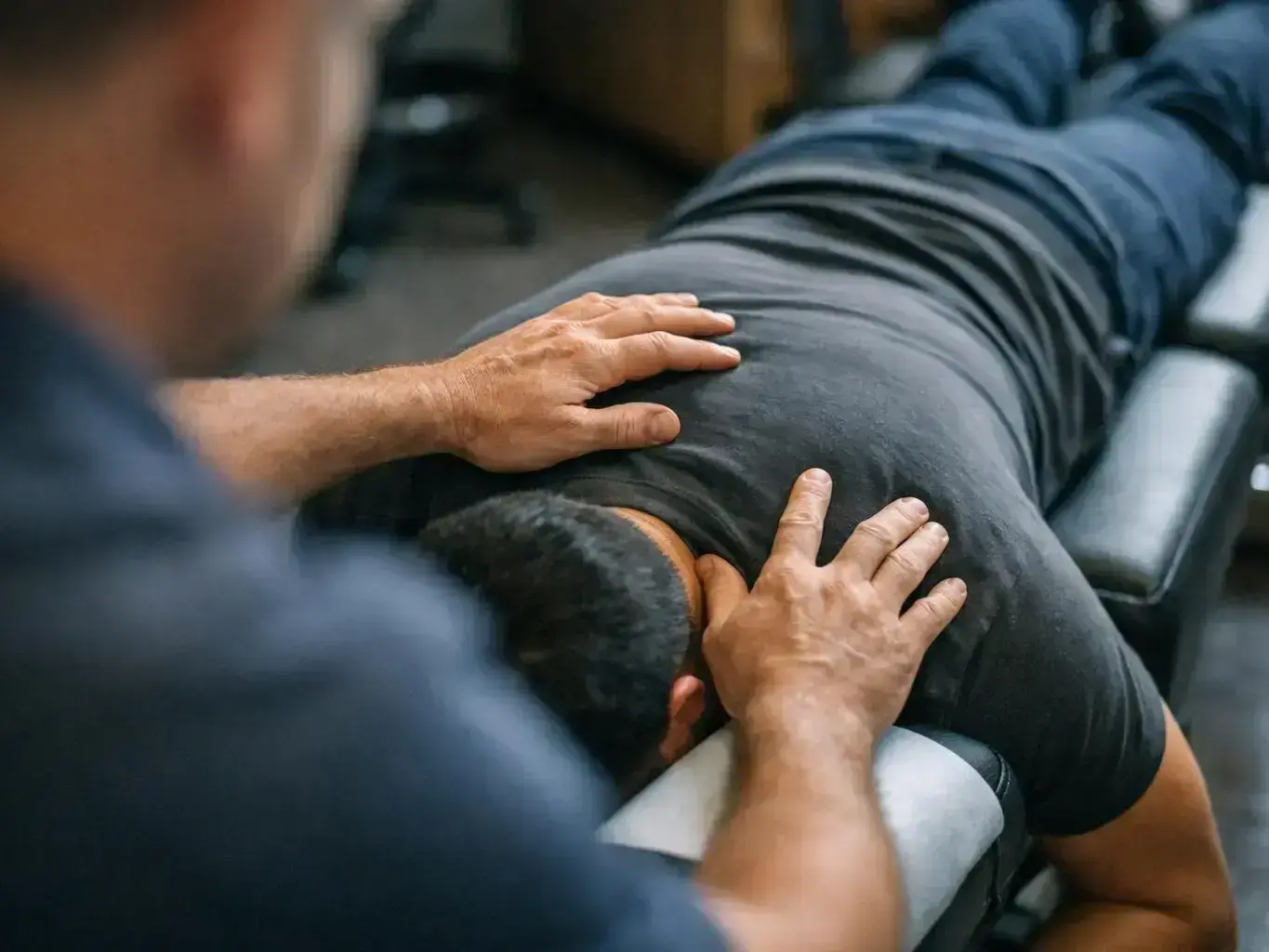
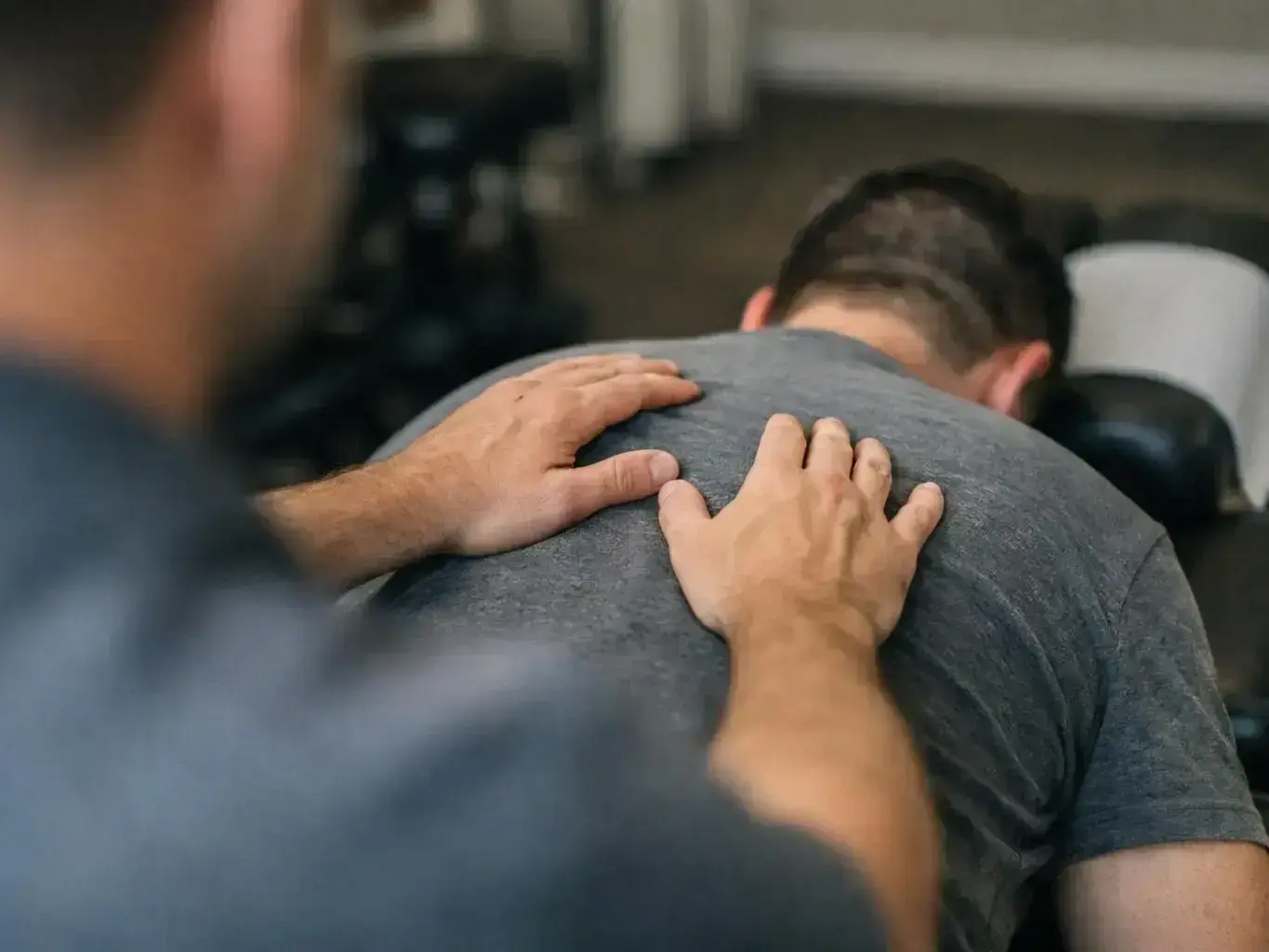
In everyday life, Acute Pain often arises from minor injuries like sprains, strains. Or overuse. While these injuries may not be life-threatening, they still benefit from proper care. Resting the affected area, applying ice. And avoiding strenuous activity can help reduce pain and promote faster healing. If pain persists beyond a few days or worsens, it may be a sign that professional treatment, such as chiropractic care, is needed to address underlying issues like misaligned joints or soft tissue damage.
For Nashville residents, Acute Pain is particularly relevant after common incidents like car accidents, sports injuries. Or workplace mishaps. Chiropractors in the area frequently treat Acute Pain caused by whiplash, back strains. Or joint sprains, helping patients recover without relying solely on medication. Early intervention can make a significant difference in outcomes, reducing downtime and preventing Acute Pain from becoming a long-term problem.