Understanding Motion Palpation

Motion Palpation is a fundamental skill in chiropractic care that allows practitioners to evaluate how well joints move. Unlike static palpation, which checks the position of bones, Motion Palpation focuses on the quality and range of joint motion. Chiropractors use their hands to gently guide a joint through its natural movements while feeling for resistance, stiffness. Or pain. This technique helps identify areas where joints are not moving properly, which can contribute to pain, stiffness. Or reduced function.
Related glossary terms: Spinal Manipulation, Chiropractic Adjustment, Cervical spine.
This method is based on the principle that healthy joints should move smoothly and without discomfort. When joints become restricted—due to injury, overuse, poor posture. Or other factors—they may cause local pain or affect other parts of the body. For example, a stiff joint in the spine might contribute to tension in nearby muscles or even nerve irritation. By identifying these restrictions early, chiropractors can target their adjustments more precisely, improving outcomes for patients.
How Motion Palpation Works?
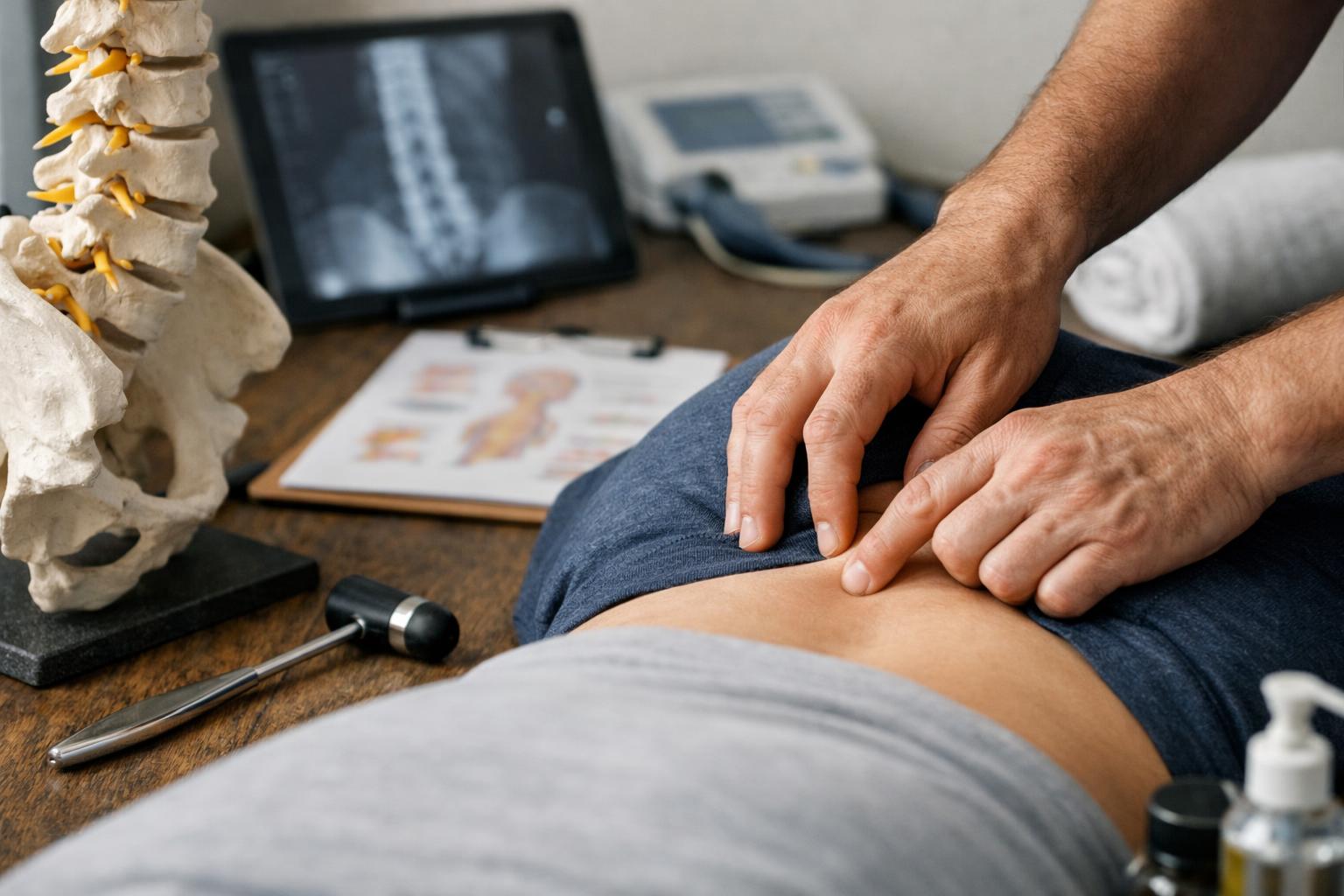
During a Motion Palpation exam, the chiropractor positions the patient comfortably, often lying down or seated. The practitioner then places their hands on specific joints, such as vertebrae in the spine. And gently moves them through their normal range of motion. This might include bending forward, twisting. Or tilting side to side. As the joint moves, the chiropractor feels for subtle changes in resistance, smoothness. Or pain responses from the patient.
For example, when assessing the lumbar spine, the chiropractor might guide the patient through flexion (bending forward), extension (leaning back). And rotation (twisting). If a joint feels stiff or causes pain during these movements, it may indicate a restriction that could benefit from chiropractic adjustment. The technique is gentle and non-invasive, making it suitable for most patients, including those with acute pain or recent injuries.
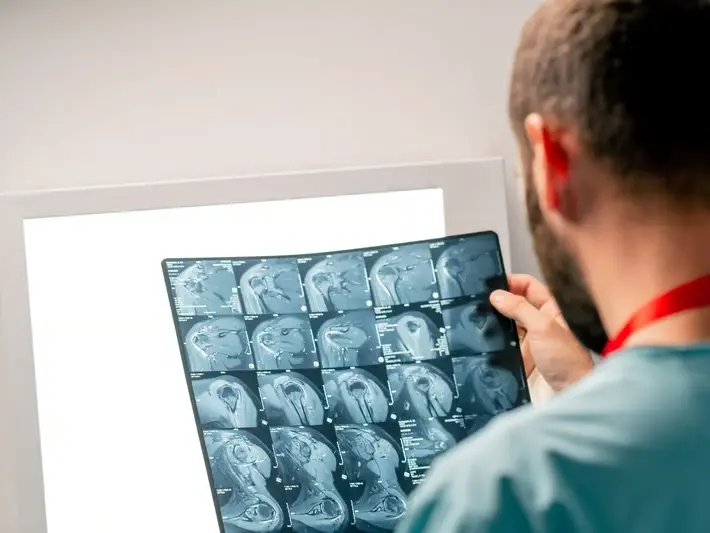
Motion Palpation is often combined with other diagnostic tools, such as patient history, posture analysis. And imaging studies, to form a complete picture of joint health. While it's highly informative, it relies on the chiropractor’s training and experience to interpret findings accurately. That means why the technique is taught extensively in chiropractic schools and refined through clinical practice.
Why Motion Palpation Matters?
Motion Palpation matters because it helps chiropractors tailor their care to each patient’s unique needs. Joint restrictions can vary widely—even among people with similar symptoms. So a hands-on assessment ensures that adjustments address the root cause of discomfort. For instance, two patients with lower back pain might have different restricted joints; Motion Palpation helps the chiropractor identify which specific joints need attention.
This technique also enhances safety by reducing guesswork. Rather than applying a one-size-fits-all adjustment, chiropractors can focus on the joints that are truly restricted, minimizing unnecessary force and improving patient comfort. And Motion Palpation can be used to track progress over time. By reassessing joint motion during follow-up visits, chiropractors can determine whether adjustments are effective or if the treatment plan needs adjustment.
When Motion Palpation Matters Most?
Motion Palpation is particularly valuable in several scenarios. It is commonly used during initial evaluations to diagnose the cause of pain or stiffness, especially when imaging studies like X-rays don't show clear structural issues. For example, a patient with chronic neck pain might have normal X-rays. But Motion Palpation could reveal restricted movement in specific cervical vertebrae.
In practice, It is also useful for patients recovering from injuries, such as whiplash after a car accident or a sprained ankle. In these cases, joints may appear aligned but still lack full mobility. Motion Palpation helps chiropractors monitor recovery and adjust treatment as needed. And athletes or active individuals often benefit from this technique, as it can detect subtle joint restrictions that might affect performance or increase the risk of injury.
In Nashville, TN, where many residents lead active lifestyles, whether through sports, manual labor. Or daily commuting, Motion Palpation plays a key role in chiropractic care. It helps local chiropractors address common issues like back pain from prolonged sitting, shoulder stiffness from repetitive motions. Or joint discomfort from sports injuries. By focusing on joint function rather than just alignment, chiropractors can provide more targeted and effective care for their patients.