Glossary

What is Thoracic Spine?

Thoracic Spine is the middle section of the human spine, located between the cervical spine (neck) and lumbar spine (lower back). It consists of 12 vertebrae labeled T1 to T12, which connect to the rib cage and protect the chest organs like the heart and lungs. This section supports posture, allows limited movement. And absorbs stress from daily activities.

Reviewed by ChiropractorNashville.linkSources reviewed: American Chiropractic Association, National Institute of Arthritis and Musculoskeletal and Skin Diseases

Quick Facts About Thoracic Spine

Category

Spinal anatomy

Used for

Posture support and chest protection

Common confusion

Often mistaken for the lumbar or cervical spine

Also called

Mid-back spine, Upper back spine

Often discussed with

Back Pain Treatment, Work Injury Treatment

Key Takeaways About Thoracic Spine

Understanding Thoracic Spine

Thoracic Spine in Chiropractor: Thoracic Spine is the middle section of the human spine, located between—visual guide

The thoracic spine is the middle part of the spine. It runs from your neck to your rib cage. It has 12 bones called vertebrae.

Related glossary terms: Cervical spine, Lumbar Spine, Spinal Alignment.

Each vertebra connects to a pair of ribs. These ribs form a cage around your chest. They protect your heart and lungs.

This part of the spine doesn’t bend much. It gives your upper body strength and support.

It also helps you stand up straight. It keeps your shoulders back and chest open. This helps you breathe better.

Problems here can cause pain or stiffness. You might find it hard to take deep breaths. The pain can wrap around your chest.

How Thoracic Spine Works?

The thoracic spine holds you up. It also soaks up shock when you move. Each bone connects with joints.

Soft discs sit between the bones. They help spread weight and soften impact. This happens when you walk, lift. Or sit.

The ribs attach to the spine. They also connect to your breastbone. This makes a strong frame for your chest.

This part of the spine doesn’t move much. Your neck and lower back bend more. The thoracic spine mainly lets you twist a little.

It also lets you bend forward a bit. This small range protects your chest. But it can get stiff if you slouch.

Weak muscles can cause stiffness too. Chiropractors check for misalignments. These are called subluxations (out-of-place bones).

Subluxations can hurt nerves. This can make you feel bad all over.

Why Thoracic Spine Matters?
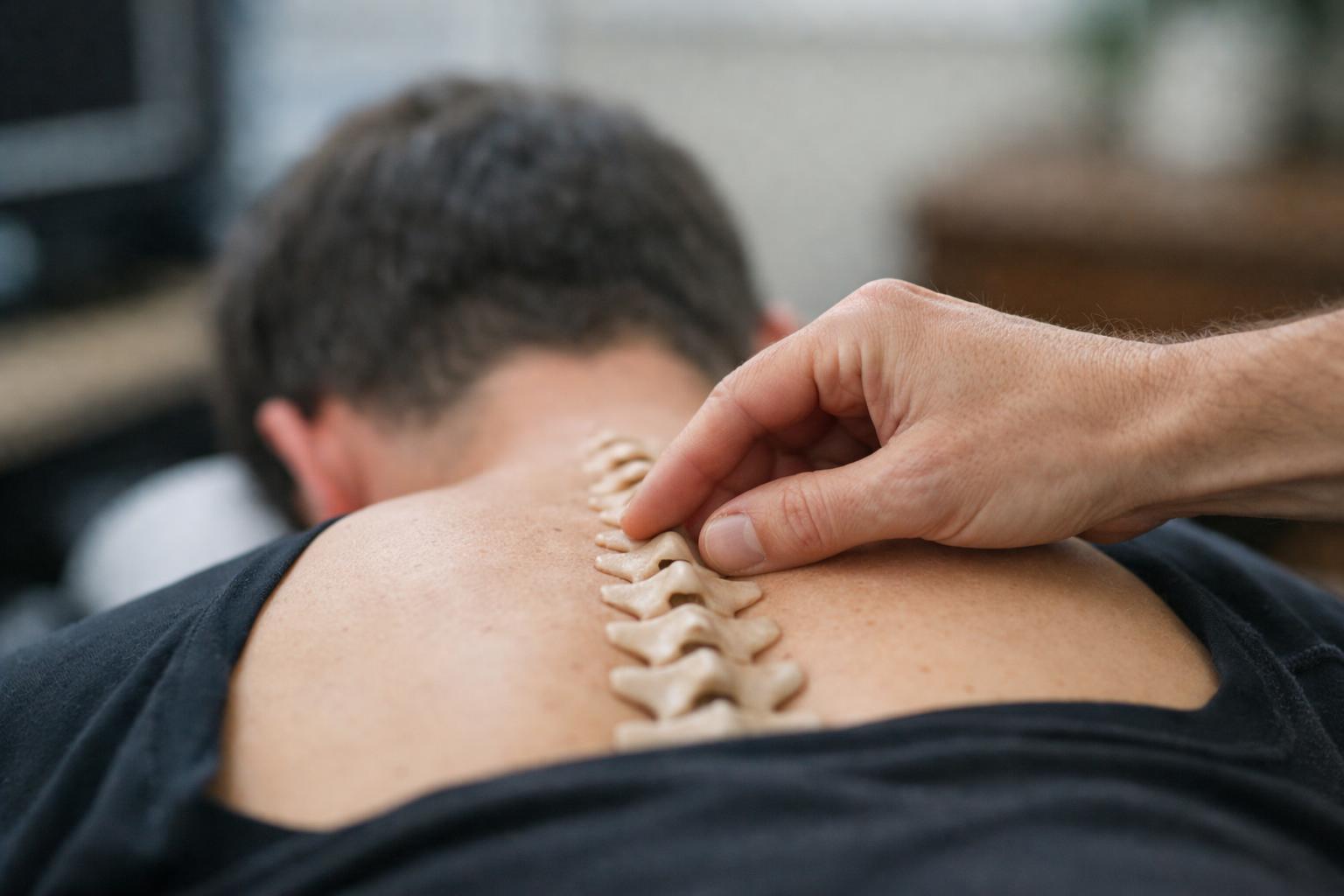
How Thoracic Spine applies to Chiropractor services in Nashville, United States—practical illustration

The thoracic spine helps you stand tall. It also keeps your organs safe. When it’s out of place, you may feel pain.

You might feel pain in your upper back. Your shoulders may get tight. You could even get headaches.

Slouching or hunching can hurt this area. It can cause long-term pain. Nerves here connect to your chest and belly.

So problems here can cause pain in other spots. Athletes need this area to be healthy. It helps them move safely.

It spreads force when you lift or run. It helps when you play sports too. If it’s not working right, you can get hurt.

You might hurt your shoulders or lower back. Chiropractic care can help. It keeps this area flexible and lined up.

This can stop pain before it starts.

When Thoracic Spine Matters Most?

Your thoracic spine matters a lot. It helps with posture and movement. It also protects your chest.

People who sit all day may get stiff. Their desks might not be set up right. Swimmers and golfers need this area to be flexible.

It helps them play better and stay safe. Falls or car crashes can hurt this area too. They can knock bones out of place.

In Nashville, TN, chiropractors see many patients. They help with desk jobs and sports injuries. They also help after car accidents.

Jobs here can stress this area. Healthcare, music. And construction workers lift a lot. They also do the same moves over and over.

Fixing problems early helps a lot. It stops pain from lasting too long. It also makes life better overall.

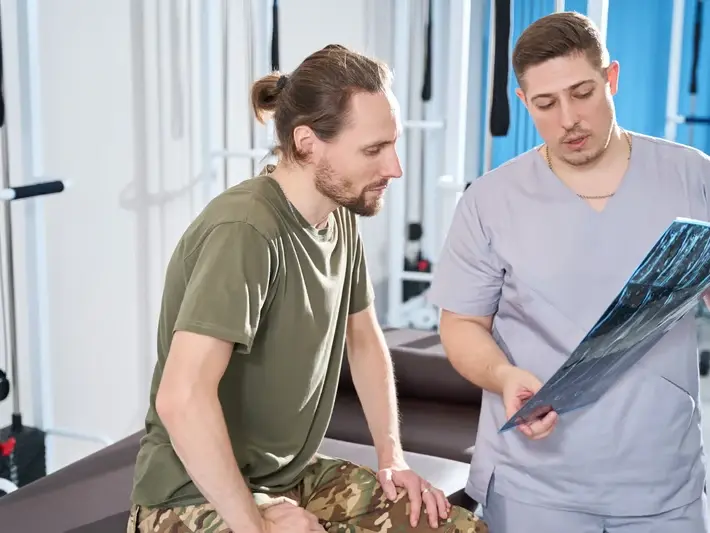
How to Evaluate Thoracic Spine?

Related Concepts Compared

Thoracic Spine vs. Cervical spine

The cervical spine is the neck region with 7 vertebrae, allowing more movement but less protection compared to the thoracic spine.

Thoracic Spine vs. Lumbar spine

The lumbar spine is the lower back with 5 vertebrae, designed for weight-bearing and flexibility, unlike the thoracic spine’s rib attachments.

Thoracic Spine vs. Rib cage

The rib cage includes bones attached to the thoracic spine, forming a protective cage around the chest. While the thoracic spine itself is the central support.

Expert Note

The thoracic spine is often overlooked in spinal care. Yet misalignments here can contribute to mid-back pain, postural fatigue. And even digestive discomfort due to nerve irritation.

Common Mistakes or Myths About Thoracic Spine

  • Assuming all back pain comes from the lower back, ignoring the thoracic spine.
  • Believing the thoracic spine doesn’t move, leading to neglect of flexibility exercises.
  • Confusing rib pain with muscle strain instead of checking for thoracic spine misalignments.
  • Ignoring posture habits that strain the thoracic spine, like slouching or hunching.

Thoracic Spine in Practice: A Real-World Example

A Nashville office worker notices persistent upper back pain after long hours at a computer. A chiropractor checks their thoracic spine and finds stiffness around T4-T6. Adjustments and posture exercises help reduce pain and improve breathing comfort.

Related Services

Related Terms

Cervical spine

Cervical spine is the uppermost section of the vertebral column, consisting of seven vertebrae labeled C1 to C7, which support the skull, protect the spinal cord. And enable neck movement. These vertebrae are smaller and more flexible than those in other spinal regions, allowing for a wide range of motion such as turning, tilting.

Lumbar Spine

Lumbar Spine is the lower portion of the human spine, consisting of five large vertebrae labeled L1 through L5. These bones support most of the body’s weight, enable bending and twisting. And protect the spinal cord and nerves that connect to the legs and lower organs.

Spinal Alignment

Spinal Alignment is the proper positioning of the vertebrae in the spine, ensuring each bone is correctly oriented and spaced to support healthy posture, movement. And nervous system function. Misalignment can cause pain, stiffness. Or nerve irritation. While proper alignment helps the body function efficiently and reduces stress on muscles and joints.

Intervertebral Disc

Intervertebral Disc is a flexible, cushion-like pad located between each bone (vertebra) in the spine. Intervertebral Discs act as shock absorbers, allowing the spine to bend, twist. And support body weight without bones rubbing together. Each disc has a tough outer ring and a soft, gel-like center.

ChiropractorNashville.link

Have Questions About Thoracic Spine?

Contact ChiropractorNashville.link for practical guidance on Thoracic Spine and related chiropractor work in Nashville.

+1 615-777-0624